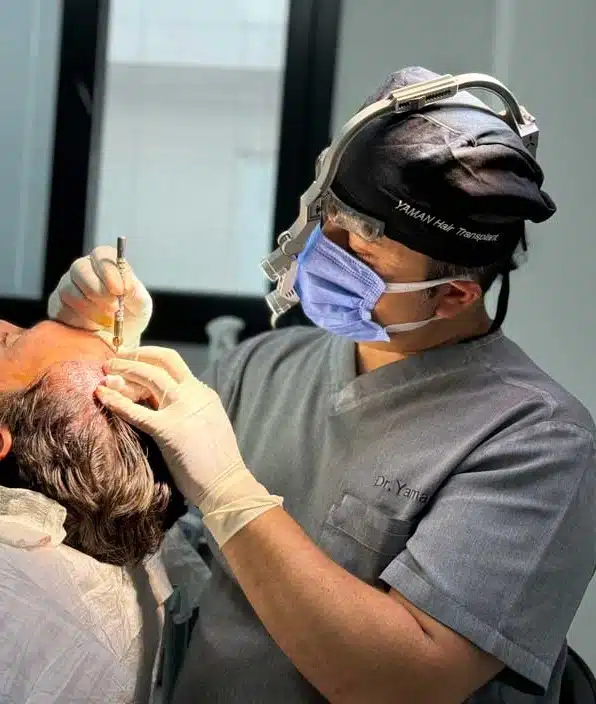
When you plan to remove your wisdom teeth, one of the first things you probably wonder about is the Wisdom Teeth Removal Cost. You should know that the price is not the same for everyone because several factors play a big role. Understanding these points can help you prepare better and avoid surprises later. Here’s an easy and friendly guide to help you understand what affects the cost of this common dental procedure.
1. Type of Extraction: Simple vs. Surgical
One of the biggest factors that decides how much you’ll pay is the type of extraction. Some people only need a simple removal where the tooth comes out easily. Others have impacted teeth stuck in the gums or jawbone, which need surgical extraction. Surgical cases usually require more tools, time, and sometimes even a small incision. This makes the procedure more complex and a bit more costly.
Why Surgical Removal Costs More
Surgical extractions take longer, involve anesthesia, and sometimes need stitches. All these add to the final bill. But if your dentist suggests surgery, it’s usually for your comfort and safety.
2. Location of the Dental Clinic
Where you live can affect the price too. Dental clinics in big cities often charge more than those in small towns. This is mainly due to higher rent, staff costs, and living expenses in urban areas. For example, a dental procedure in Los Angeles or New York may cost more than in smaller states. You can check local dental offices to compare prices before choosing one.
How Your City or State Affects Pricing
Urban areas usually offer more advanced dental equipment and experienced specialists, but that comes with higher fees. On the other hand, smaller clinics might be cheaper but may not provide advanced treatment options.
3. Dentist’s Experience and Qualifications
The more experienced the dentist, the higher the cost might be. Skilled professionals often charge more because they have years of training and handle complex cases safely. However, paying a bit extra for a qualified dentist can give you peace of mind and better results.
Why Experienced Professionals Charge Higher Fees
Specialists in oral surgery use advanced techniques to make sure you feel less pain and heal faster. Their experience reduces the risk of complications, which is worth the extra amount.
4. Number of Teeth Being Removed
If you are removing only one wisdom tooth, your cost will be much lower compared to removing all four. Many people get all of them removed together to save time and avoid multiple visits. But remember, the more teeth removed, the higher the total cost.
5. Use of Anesthesia and Sedation Options
Anesthesia plays a big role in how much you’ll pay. Some people only need local anesthesia, while others prefer full sedation to sleep through the process. Sedation and general anesthesia require special equipment and a certified anesthetist, which increases the cost.
The Role of Comfort and Safety in Pricing
If you have dental anxiety or fear of pain, you may prefer sedation for comfort. It adds to the bill but helps ensure a stress-free experience.
Mental Health and Dental Anxiety Connection
For many people, dental procedures cause fear and stress. Anxiety can make you delay treatment, which may lead to worse dental problems later. It’s important to take care of your emotional well-being along with your oral health. Reading guides and tips on Mental Health Care can help you understand how to manage your anxiety before visiting the dentist. Feeling calm and confident can make the entire process easier.
6. Dental X-Rays and Consultation Fees
Before removing your teeth, the dentist usually takes X-rays to see how your teeth are positioned. These X-rays help plan the surgery safely. Some clinics include the X-ray cost in the overall package, while others charge separately. The consultation visit may also have its own fee, especially if you visit a specialist.
7. Complexity of Tooth Position
Not all wisdom teeth are the same. Some grow straight, while others tilt or get trapped in the gums. If the tooth is impacted or lies close to a nerve, the procedure becomes more complicated and expensive.
How Impacted or Misaligned Teeth Increase Costs
A complicated tooth may need more surgical tools or even extra time to remove, which adds to the total cost. But it’s always best to have it done properly to avoid future dental issues.
8. Aftercare and Recovery Supplies
After the removal, you’ll need items like pain medicine, ice packs, and gauze pads for recovery. Some dentists give you these supplies, while others ask you to buy them yourself. You might also need a follow-up visit to check your healing, which may include a small additional cost.
Hidden Costs Patients Often Forget
Many people forget about post-surgery care when planning their budget. Always ask your dentist about any extra aftercare charges to plan your expenses properly.
9. Dental Insurance Coverage
If you have dental insurance, part of the cost may be covered. However, not all plans pay for surgical extractions or sedation. You should check your policy details before the procedure to know what’s included and what’s not.
How Much Your Plan Really Covers
Some plans only cover a percentage of the total fee or basic extractions. It’s smart to contact your insurance provider before making an appointment, so you know what you’ll pay out of pocket.
10. Location-Based Cost Comparison
Prices can vary across different U.S. regions. For instance, the average cost of removing one wisdom tooth can range from $200 to $1,000 depending on where you go. Some clinics offer package deals for removing all four teeth, which may help you save a bit.
What You Can Expect Across Different U.S. Regions
The best way to estimate your cost is by contacting local dental clinics and asking for quotes. Most dentists offer free consultations where they can tell you an exact amount based on your case.
Final Thoughts
Knowing what affects wisdom teeth removal prices helps you make better choices. The total cost depends on your unique needs — like how complex your case is, your location, and what type of anesthesia you choose. You can always ask your dentist for a full breakdown before starting the procedure. With the right information, you can plan your treatment comfortably and confidently. Remember, a healthy mouth is always worth the investment.