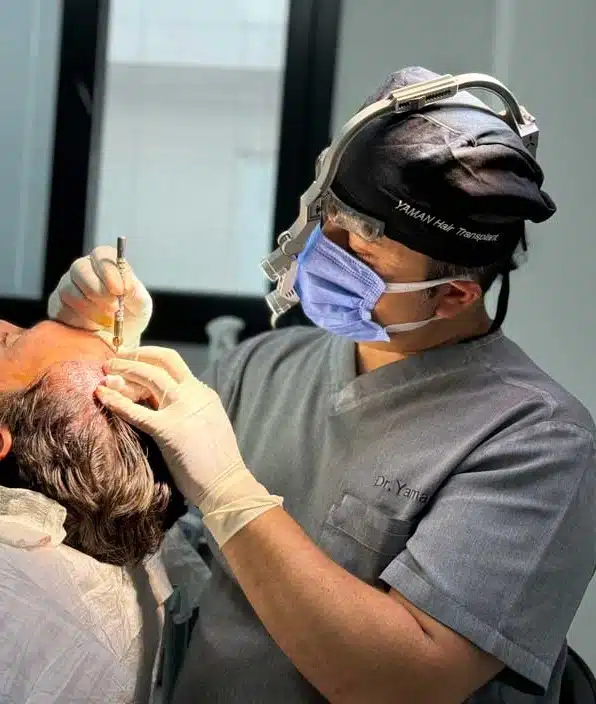
Hair transplants are widely recognized as one of the most effective solutions for individuals experiencing hair thinning or baldness. The procedure involves moving healthy hair follicles from a donor site—typically the back or sides of the scalp—to the areas that are thinning or bald. This approach ensures natural-looking and permanent results. Whether caused by genetics, hormonal changes, or lifestyle factors, hair loss can impact one’s confidence and overall appearance.
In recent years, Hair Transplant in Dubai have gained immense popularity due to the city’s cutting-edge medical technology and access to modern facilities. Patients from around the world seek treatment in Dubai for its advanced techniques, patient safety standards, and efficient recovery options.
Factors That Influence Hair Transplant Cost
Type of Hair Transplant Technique
The cost of a hair transplant varies significantly depending on the technique used. The two primary methods are:
-
FUE (Follicular Unit Extraction): Involves extracting individual hair follicles and transplanting them.
-
FUT (Follicular Unit Transplantation): Involves removing a strip of scalp with hair follicles, which are then separated and transplanted.
Each technique has its benefits, and the choice depends on the patient’s hair loss pattern, hair density, and preferences. FUE is typically more time-consuming but leaves minimal scarring, while FUT is often quicker but may leave a linear scar.
Number of Grafts Required
The number of grafts needed plays a crucial role in determining the overall cost. Patients with advanced stages of baldness will require more grafts compared to those with minor thinning. Grafts are usually counted individually, and each graft contains 1–4 hair follicles. Below is an example of how graft requirements vary:
Estimated Grafts Based on Baldness Level
| Baldness Level | Approx. Grafts Needed | Coverage Area |
|---|---|---|
| Minor (Receding Hairline) | 800 – 1,200 | Frontal region only |
| Moderate (Thinning Crown) | 1,500 – 2,500 | Frontal + crown |
| Advanced (Full Baldness) | 3,000 – 4,000+ | Full scalp coverage |
Hair Characteristics
Every patient has unique hair characteristics that influence how the transplant is planned. Thicker hair strands offer better coverage and may require fewer grafts. Likewise, curly hair can provide a denser appearance than straight hair. Hair color that contrasts less with scalp tone also enhances coverage, affecting the total graft requirement.
Experience and Technology Used
Advanced clinics may use robotic-assisted FUE, sapphire blades, or platelet-rich plasma (PRP) therapy as part of the procedure to enhance results. The integration of such modern tools can influence the complexity and efficiency of the surgery, and these additions may also affect the pricing.
Post-Transplant Recovery and Care
Recovery is a critical part of the process. Patients are advised to follow strict post-operative guidelines, including avoiding direct sunlight, refraining from strenuous activities, and gently washing the scalp. Proper aftercare not only ensures optimal results but also prevents complications such as infection or folliculitis. Some clinics recommend PRP therapy after the transplant to stimulate growth and improve the survival rate of transplanted follicles. Additionally, shampoos and serums formulated for post-transplant care may be prescribed to maintain scalp health.
Success Rate and Long-Term Results
Hair transplants typically offer a success rate of 90–95% when performed by experienced professionals using modern techniques. The transplanted hair behaves like natural hair and continues to grow for a lifetime. However, the non-transplanted hair may still be prone to thinning with age or other factors, so a holistic approach to hair health is essential.
Comparison of FUE vs. FUT Technique
| Feature | FUE | FUT |
|---|---|---|
| Scarring | Minimal dots | Linear scar |
| Healing Time | Faster | Moderate |
| Graft Extraction Rate | Slower | Faster |
| Ideal For | Small to medium coverage | Large graft requirement |
| Pain Level | Less post-op discomfort | Slightly more discomfort |
FAQs
1. How is the total number of grafts calculated?
Doctors usually perform a scalp analysis to determine the extent of baldness, hair density, and follicle health. This helps in estimating the number of grafts needed for optimal coverage.
2. Do hair transplants offer permanent results?
Yes, transplanted hairs are taken from areas that are genetically resistant to hair loss, typically the back of the scalp. These hairs usually remain intact for life, providing a permanent solution.
3. Will I need more than one transplant?
This depends on the progression of your hair loss. If you continue to lose non-transplanted hair over time, additional sessions may be required to maintain an even appearance.
4. Is there a difference in results between FUE and FUT?
Both techniques are effective, and the choice depends on personal preference, baldness level, and hair characteristics. FUE is preferred for minimal scarring, while FUT is ideal for large-scale transplants.
5. Are hair transplants safe?
When performed in sterile, regulated environments by trained professionals, hair transplants are very safe. Complications are rare and usually minor if post-op instructions are followed carefully.
Choosing the Right Approach
When considering a hair transplant, it’s essential to have realistic expectations. A thorough consultation can help determine the best approach tailored to your hair type, aesthetic goals, and pattern of hair loss. Understanding the method, timeline, recovery, and expected outcomes can significantly aid in the decision-making process.
Conclusion
A hair transplant is a life-changing procedure for many individuals struggling with hair loss. The cost is influenced by multiple factors such as technique, number of grafts, hair characteristics, and the technology used. It’s essential to focus not just on price but on quality, safety, and long-term results. As the demand for Hair transplants continues to rise, so does the availability of advanced, effective, and minimally invasive techniques that deliver natural results.