
If you enjoy vivid landscapes, thrilling outdoor experiences, delicious food, and meeting locals, Cambodia should be high on your list. Beyond the famous temples of Angkor, there is jungle trekking, river adventures, coastal escapes, and warm hospitality from Cambodian people. In this guide I explain what you need to know about visas, adventure travel options, local culture and food, plus travel tips and frequently asked questions.
Do I Need a Cambodia eVisa?
Most travelers do. If your passport is from a country with a visa exemption agreement you may not need one for short stays. If you come from the US, UK, many parts of Europe, Australia or elsewhere in Asia, the Cambodia eVisa is probably the simplest route forward. It saves time, paperwork, and queues at border points.
Types of eVisas for Cambodia
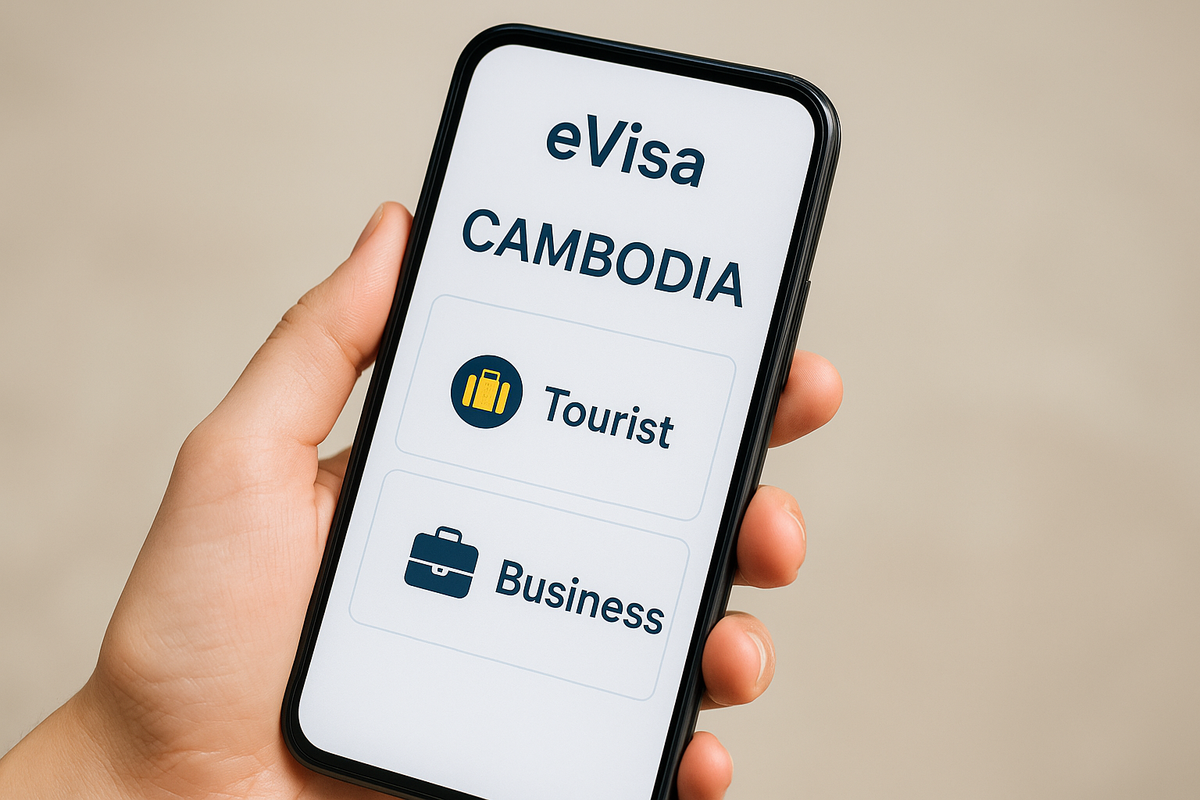
Cambodia offers several eVisa types tailored to different traveler needs:
- Tourist eVisa: Planning a trip to Southeast Asia? The Cambodia Tourist eVisa makes visiting this beautiful country easier than ever. With a simple online application, travelers can secure their visa quickly without long waits at the border. This hassle-free option lets you focus on exploring Cambodia’s rich culture and stunning landscapes.
- Business eVisa: For professionals planning to visit Cambodia, the Cambodia Business e-Visa offers a convenient way to enter the country for work-related activities. This digital visa streamlines the application process, allowing business travelers to focus on meetings and networking without the hassle of traditional visa procedures.
For adventure travelers and tourists, the Tourist eVisa is the go-to choice and is straightforward to obtain online.
Step‑by‑Step Guide to Applying for the Cambodia eVisa
These steps will help you get the eVisa without confusion.
- Gather your documents
You need a valid passport with 6 months minimum expiry, a clear digital scan of the passport photo page, and a recent photo of yourself in passport format.
- Fill in your personal and travel information
Provide full name, date of birth, passport details, intended date of entry, and entry point (airport or land border). Also list where you plan to stay.
- Upload the required documents
The site will ask for your passport photo, scan of passport, possibly proof of accommodation or travel plan. Make sure images are clear and follow the size limits.
- Pay the fee
The Cambodia eVisa Fees usually depend on your nationality. Use a valid credit or debit card. Make sure international payments from your bank are allowed.
- Wait for approval
Typically, it takes 3 or 5 business days but delays happen, particularly during busy travel times.
- Download and print your visa approval letter
Once approved you will receive a PDF. Print at least two copies. Keep one for the immigration office on arrival and another as backup.
- Travel with all documentation ready
Bring your passport, printed visa, hotel bookings, itinerary, onward or return ticket. Immigration may ask for any of these.
Top Adventure Activities in Cambodia
Here are activities that add excitement to your trip.
Ziplining Over Jungle Near Angkor
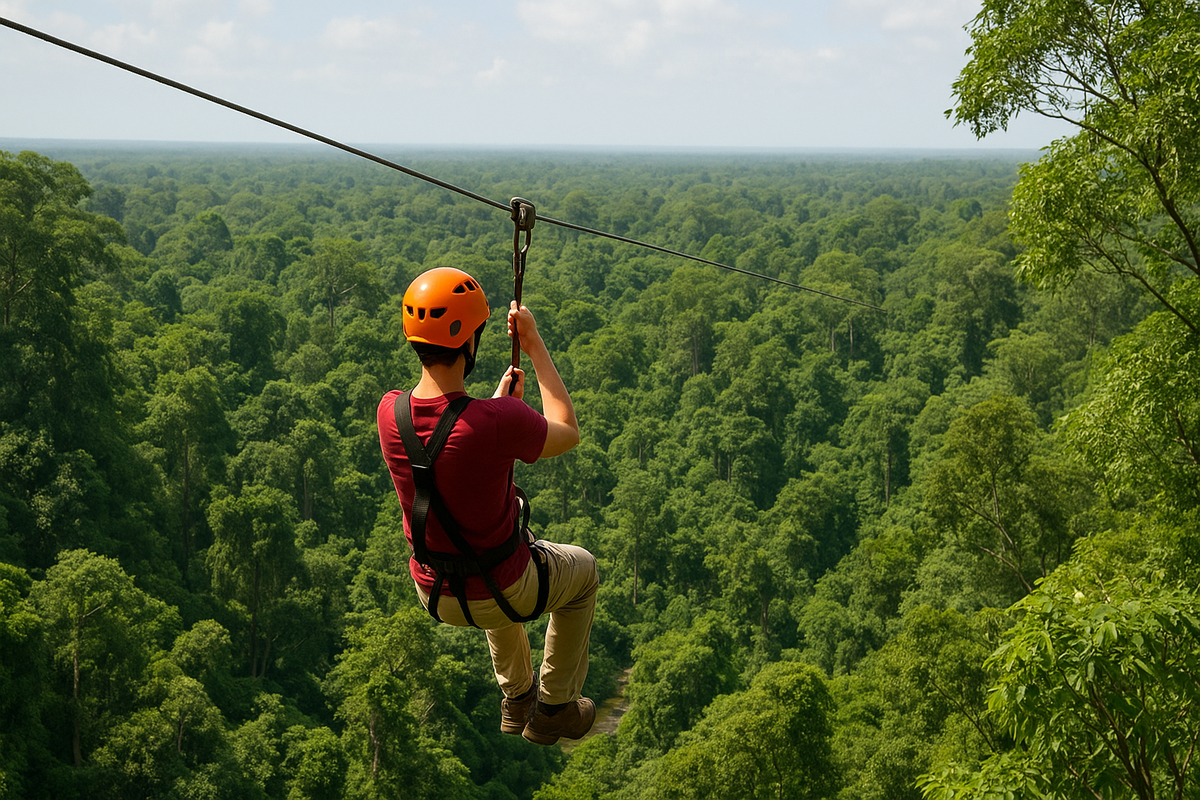
One of the most memorable adventures near Siem Reap is flying above the jungle around Angkor Wat. At Flight of the Gibbon visitors can use zip lines to glide between tree platforms and cross sky bridges. For those interested there is also a controlled descent. The views are rare: dense forest, glimpses of wildlife, and forest sounds you don’t hear in urban settings. It is one way to see Angkor apart from the ruins and temples. Guides are trained and eco-conscious, which helps protect the forest and wildlife.
Trekking in the Cardamom Mountains
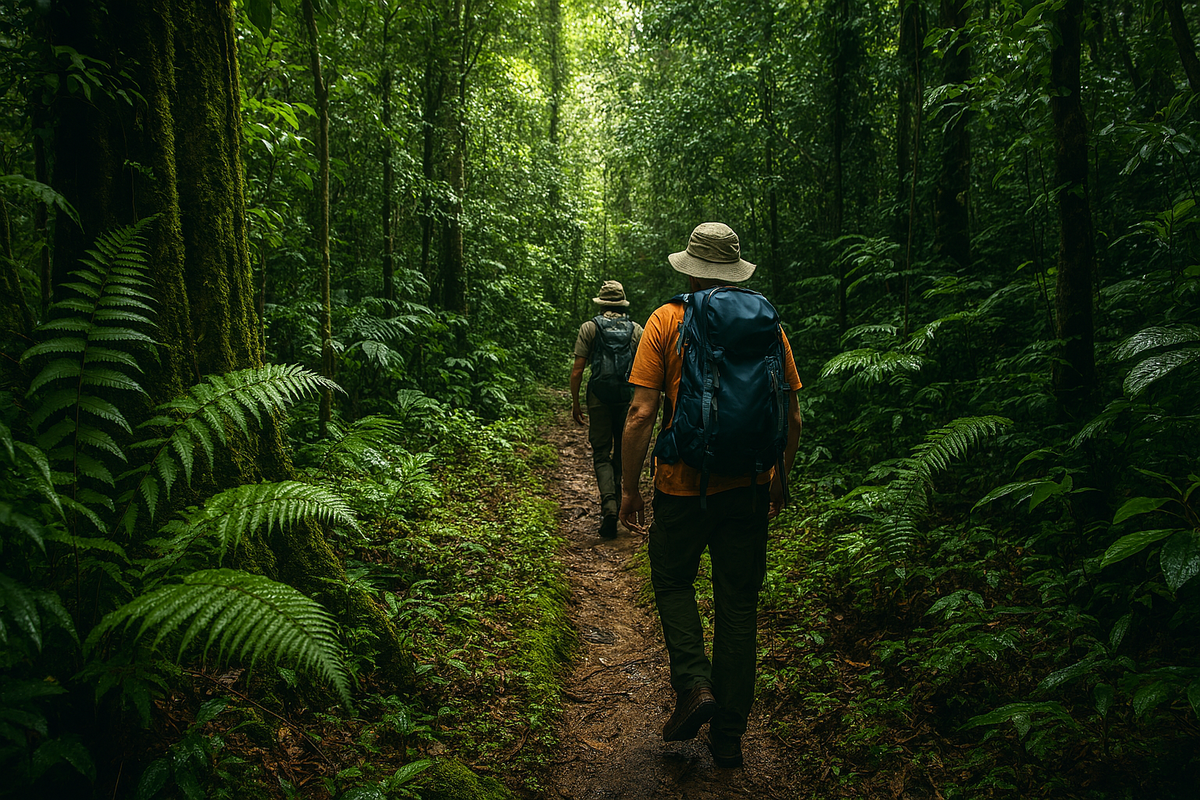
The Cardamom Mountains, in southwest Cambodia, remain among Southeast Asia’s most unspoiled wilderness areas. This region offers multi-day hikes through jungle, along rivers and past waterfalls. Expect thick canopy, hidden valleys and wildlife such as gibbons, hornbills and slow lorises. Some trekking routes include stays in local villages or ranger stations. Treks range in difficulty so it is possible to find trails suitable for beginners and for more experienced hikers.
You can travel from Chi Phat to O’Malu Waterfall for a moderate two to three day hike. For those wanting more remote terrain there are longer itineraries. Dry months are best because the trails are safer and the rivers lower.
Exploring Cambodia’s Rivers and Wetlands
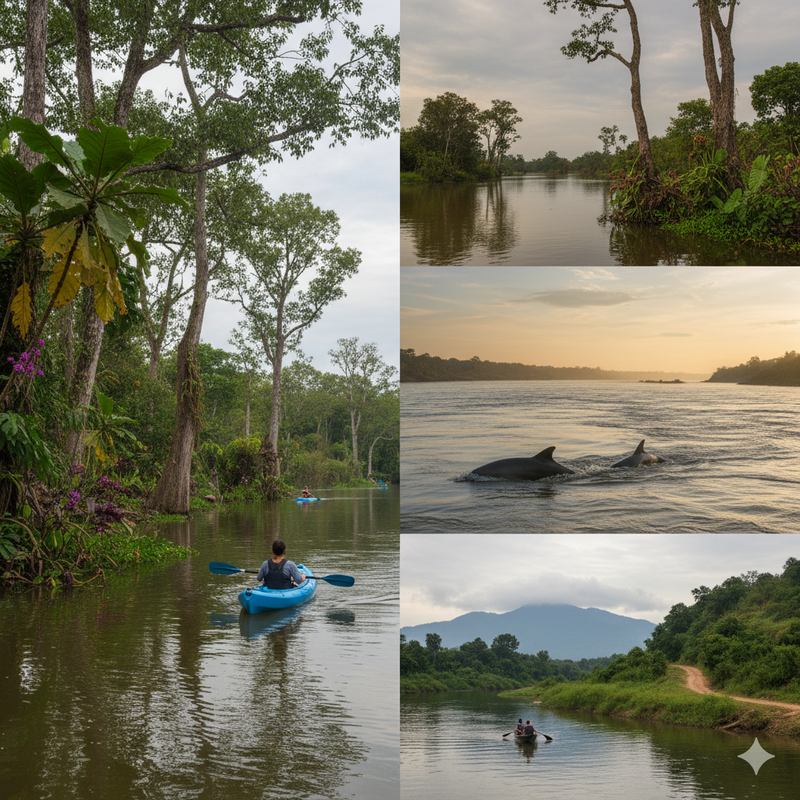
Cambodia’s waterways provide calm yet adventurous settings. Kayaking or paddleboarding reveal parts of the country few people see. The wetlands around Stung Treng allow exploration in a flooded forest environment with unusual flora and fauna. On the Mekong River near Kratie one may see freshwater dolphins. In Kampot, peaceful riverside trips let you combine gentle paddling with views of Bokor Mountain or a hike into nearby hills.
Dirt Biking and Off-road Journeys
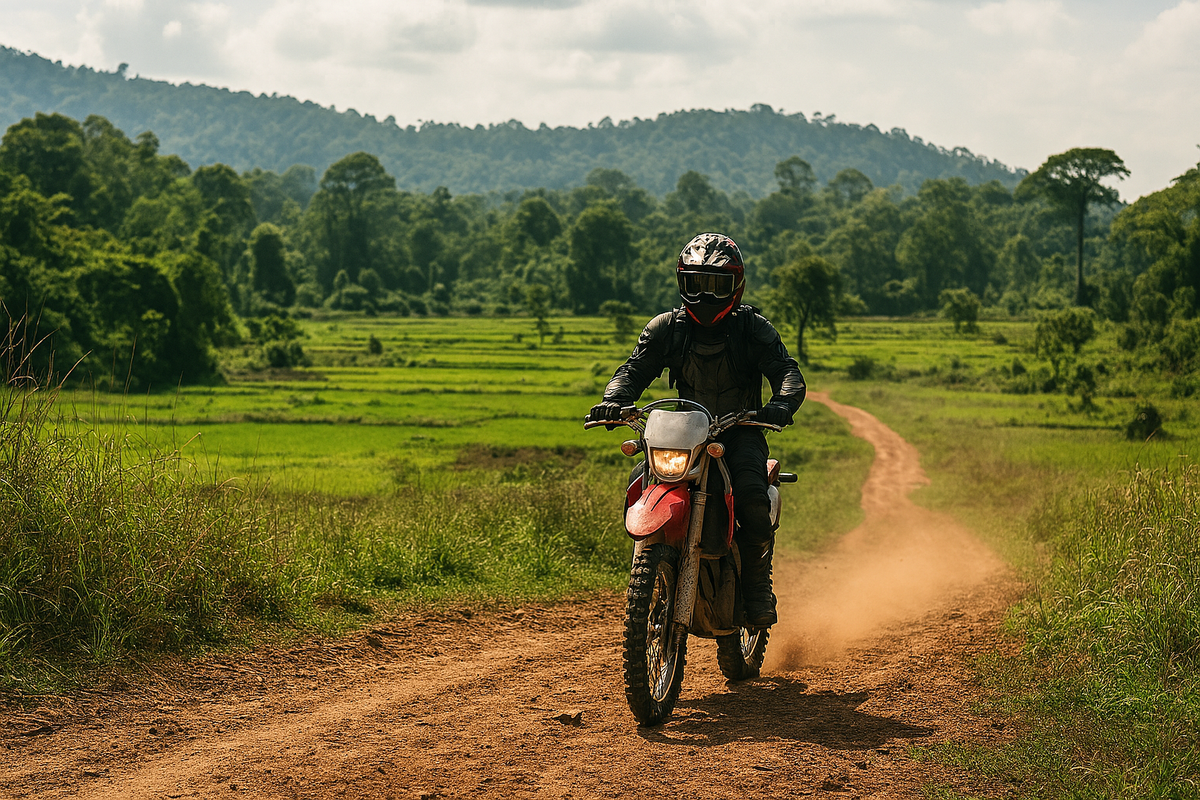
For travelers who prefer wheels, Cambodia’s backroads and rural tracks offer unforgettable motorbike and off-road adventures. Trails take you through jungle clearings, rice paddies and remote temples. Tours based in Siem Reap or Phnom Penh allow riders of different skill levels to explore such routes. Long rides might connect national parks, villages and quiet roads. Be sure to choose a reliable local operator, wear protective gear, and travel with someone who knows local conditions. International driving permits can be needed.
Climbing and Caving in Limestone Areas
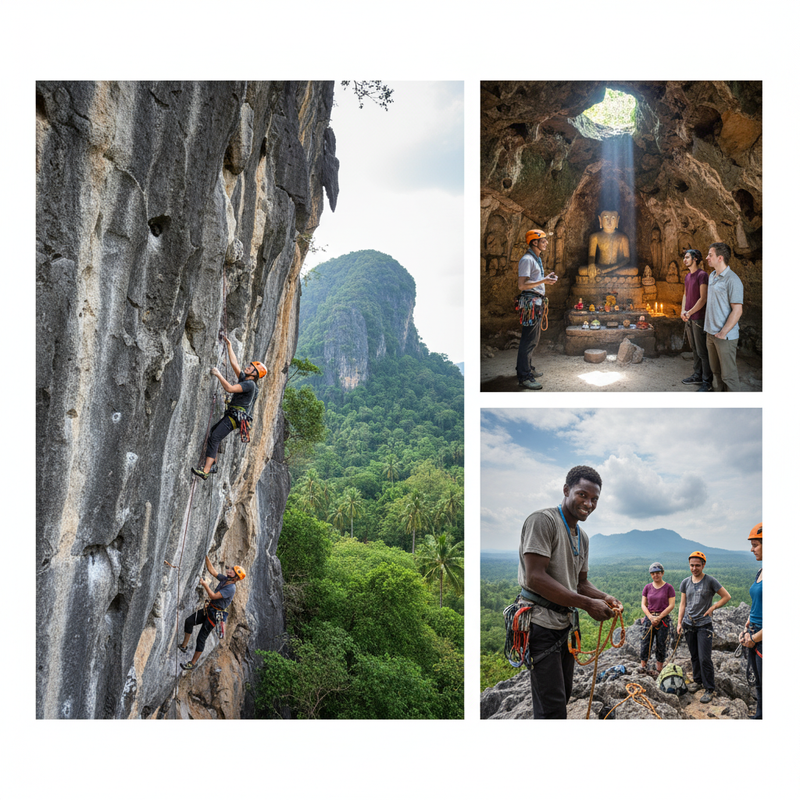
Although Cambodia does not have the same reputation for climbing as some neighboring countries, it has limestone cliffs and caves that reward those who seek them. Near Battambang visitors may explore Phnom Sampov which features cliffs and caves. Around Kampot there are small cave temples and climbing areas that are beginner friendly. Many sites are undeveloped so hiring a local guide enhances safety and adds cultural context.
Responsible and Sustainable Travel Practices
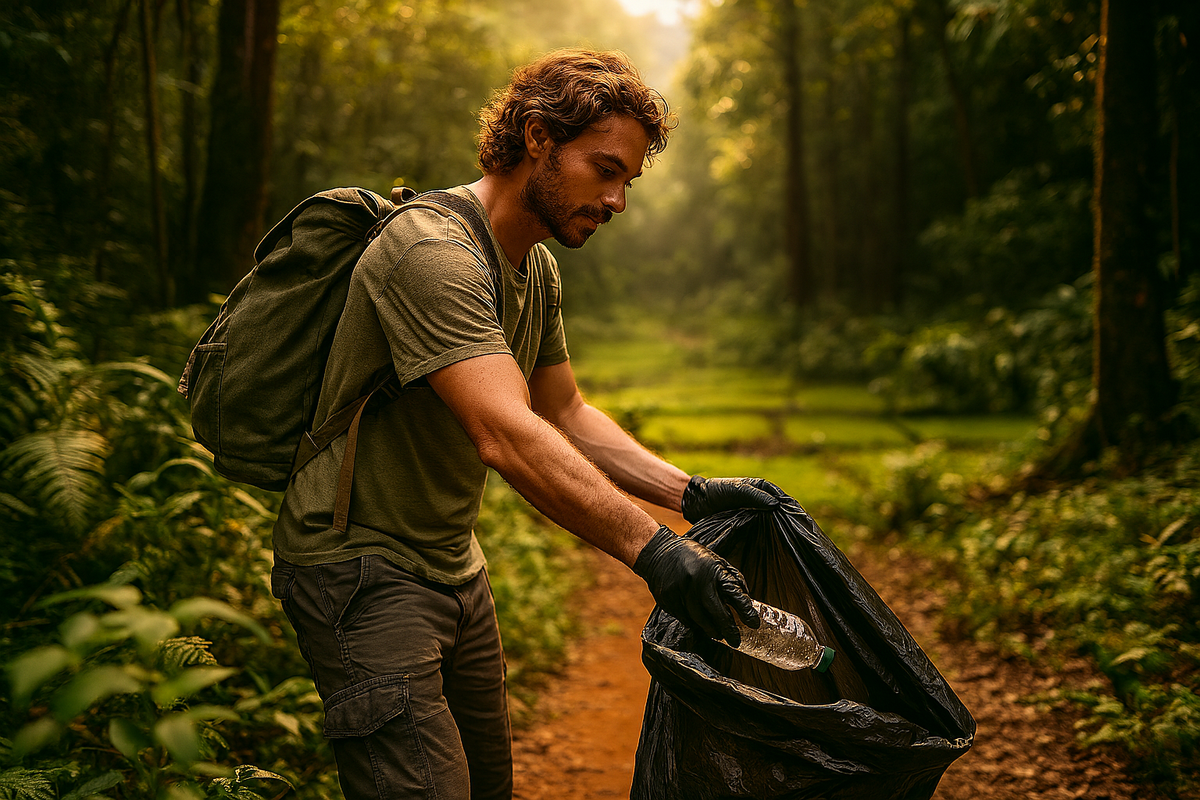
Cambodia’s natural landscapes are fragile and must be treated with respect. Choosing tours that support conservation, working with local guides, staying in community guesthouses and avoiding plastic waste are all important. Good travelers leave places cleaner than they found them, honor local culture and contribute positively to livelihoods. These practices give more meaning to an adventure beyond thrills.
Travel Tips: Practical and Local Advice
These are lessons learned from real travelers.
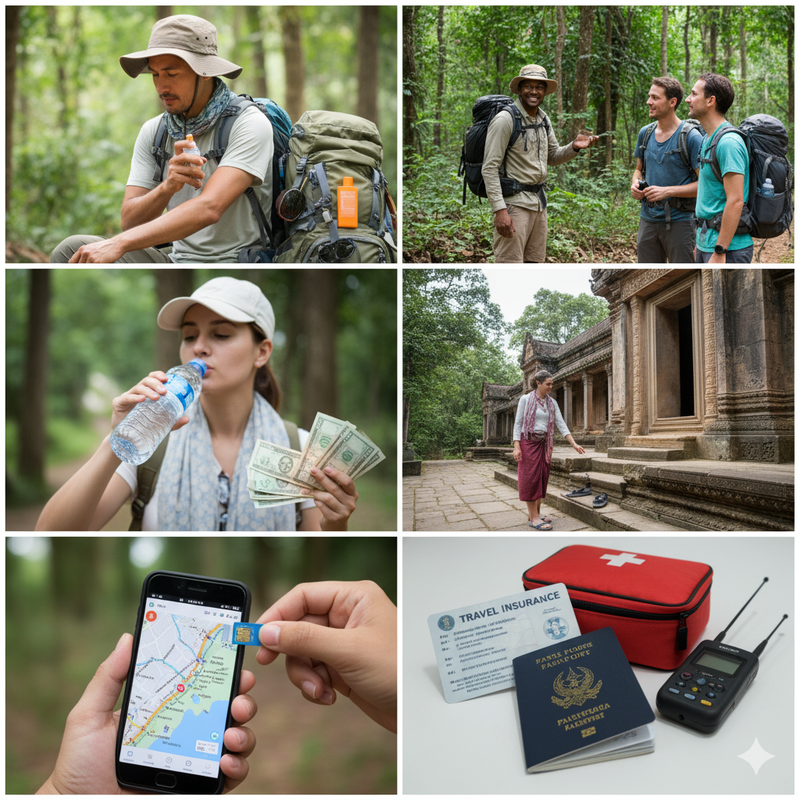
- Pack light layers and clothes that dry fast. Bring waterproof gear if you plan trekking or travel in wet season.
- Use strong insect repellent to avoid mosquito bites. Protect yourself from sun with hat, sunglasses, and sunscreen.
- Stay hydrated. Drink bottled water. Be cautious about raw street food if your stomach is sensitive.
- Find licensed guides for treks or nature reserves. They know where to go and help you avoid unsafe areas.
- In temples, cover shoulders and knees. Remove shoes in places where locals expect that. Be respectful, ask before photographing people, especially in remote or minority areas.
- Have enough cash. US dollars are widely used. Small notes make transactions smoother. ATMs work in cities but may be unavailable in remote regions.
- Get a local SIM card for data. Save maps offline before heading out of towns.
- Travel insurance is essential. Especially for adventure activities or remote treks.
Cambodia’s Famous Places, Food and Culture
Here are some places, flavors and traditions to include in your itinerary.
Places to See
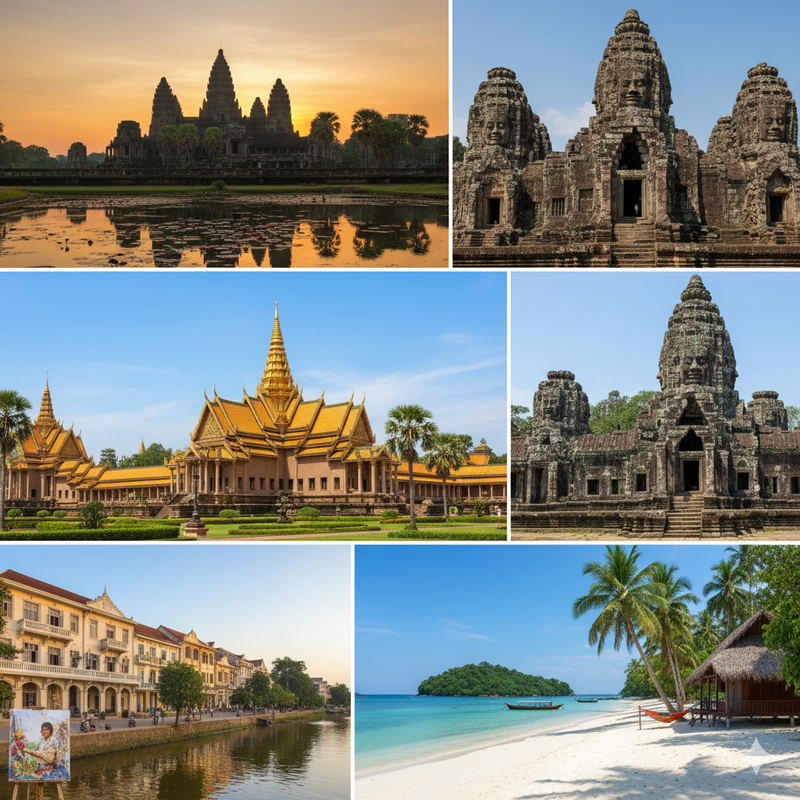
- Angkor Wat and Angkor Thom around Siem Reap. View temples at sunrise or explore Bayon temple with its many faces.
- Phnom Penh for its Royal Palace, Silver Pagoda, and museums that tell both historical and recent stories.
- Battambang for its riverbank atmosphere, French colonial architecture and artistic community.
- Kampot and Kep for their quiet beaches, pepper plantations, seaside views.
- Islands off the south coast when you want to relax by the sea.
Foods to Try
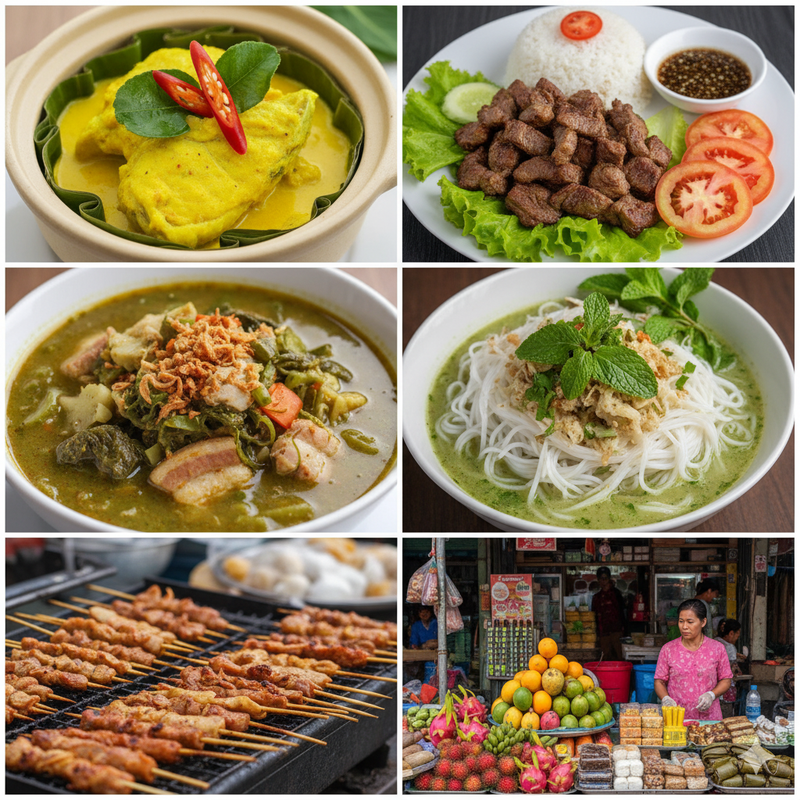
- Amok Trey: a rich fish curry cooked in banana leaf with coconut milk.
- Lok Lak: slices of beef with rice or greens, served with pepper‑lime dipping sauce.
- Samlor Korkor: traditional soup with vegetables and meat, hearty and flavorful.
- Nom Banh Chok: rice noodles with herb‑based sauce and fish gruel, a common breakfast dish.
- Local markets offer fresh fruits, grilled meats, sticky rice desserts and other street snacks.
Culture to Experience
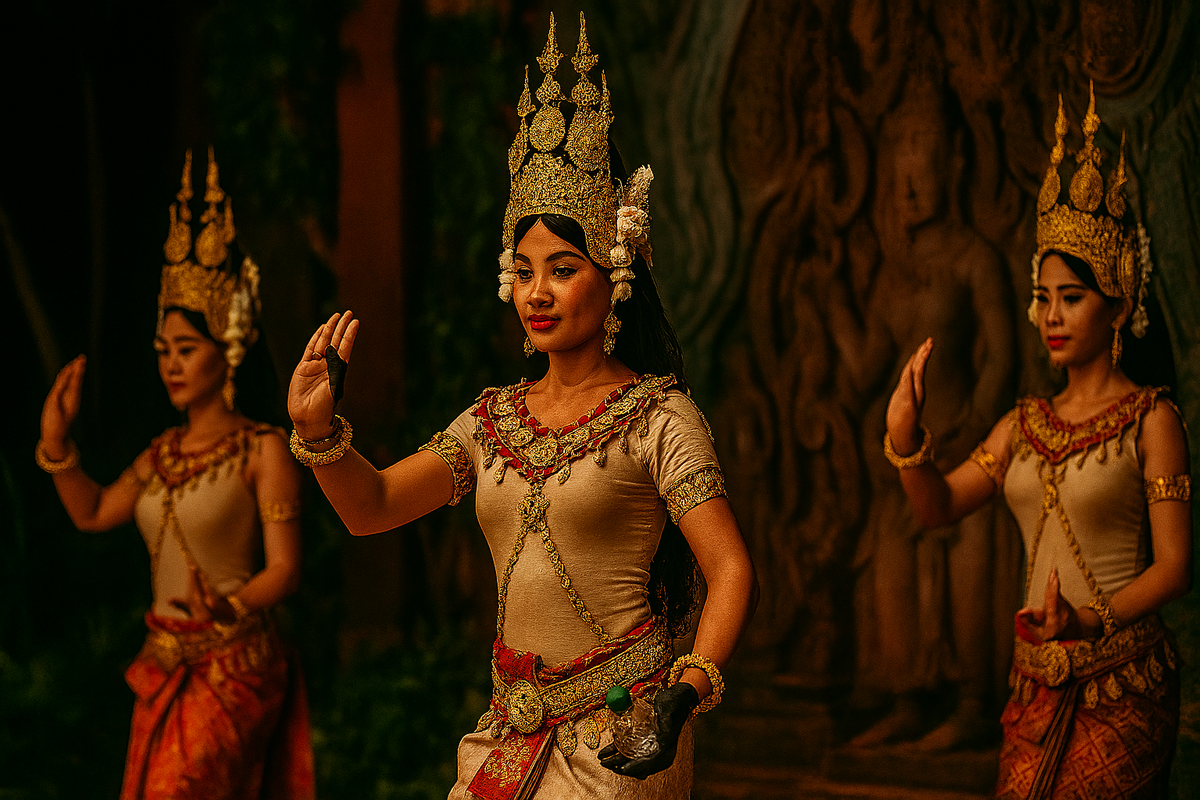
- Traditional Khmer dance performances, for example Apsara dance, often in performance houses or cultural shows.
- Buddhist temples are centers of daily life. Many people join alms giving early in the morning. Quiet, spiritual, eye‑opening.
- Local festivals: Khmer New Year in April; Pchum Ben in September or October to honor ancestors; Water Festival (Bon Om Touk) in November with boat races and celebrations.
Final Thoughts
Adventure travel in Cambodia offers a rare mix of raw nature, deep history, welcoming people, and unforgettable places. Whether you are trekking, ziplining, kayaking, or just eating in a local market, you will leave with stories. Make sure your visa is sorted before you go. Plan carefully, travel respectfully, stay safe, and let curiosity lead. Cambodia often gives more than travelers expect.
