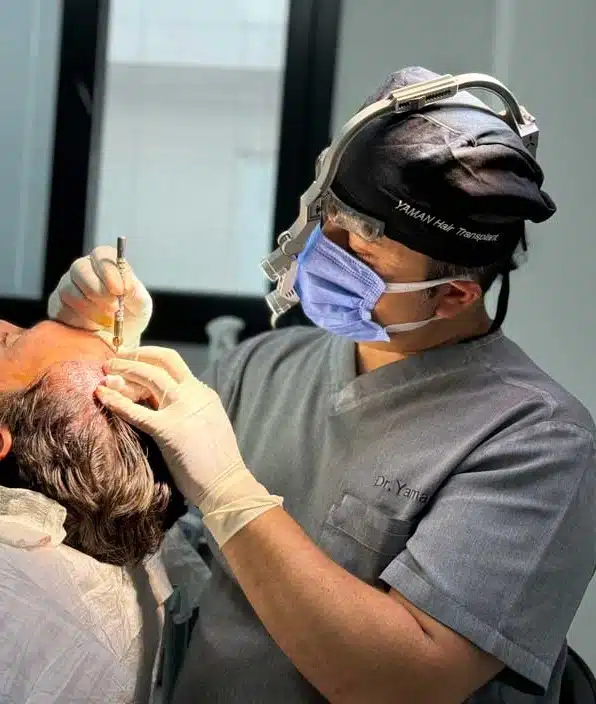
For many men dealing with gynecomastia, the condition goes beyond a cosmetic concern—it can impact self-esteem, mental health, and social interactions. Glandular tissue, rather than fat, is often the cause of the firm, breast-like appearance in males. In such cases, diet and exercise may not be effective. This is where Gland Removal Surgery in Islamabad becomes a viable solution, offering long-term results and significant psychological relief.
This guide offers a detailed overview of what to expect from gland removal surgery for gynecomastia—from your first consultation to complete recovery. The goal is to ensure you are fully informed, confident, and prepared for this transformative medical procedure.
Understanding Gland Removal Surgery
Gland removal surgery, a subtype of gynecomastia correction, focuses specifically on excising the firm, fibrous glandular tissue located under the nipple. This differs from liposuction, which targets soft, fatty tissues. In many cases, a combination of both procedures may be necessary for optimal contouring and symmetry.
This surgery is typically recommended when:
-
The chest has a firm, rubbery mass that doesn’t respond to fat-burning efforts.
-
Hormonal imbalances or medication side effects have led to glandular development.
-
There’s significant discomfort, tenderness, or social embarrassment.
The Initial Consultation
During your consultation with a board-certified cosmetic surgeon, a thorough examination is performed to determine the grade and cause of your gynecomastia. You may be asked about:
-
Your medical history, especially hormone levels or medications.
-
Lifestyle factors like drug use, weight fluctuations, or steroid intake.
-
Your goals and expectations from the procedure.
A clear diagnosis helps the surgeon choose whether gland removal alone is sufficient or whether additional liposuction or skin tightening is needed.
Pre-Surgery Preparation
Once the decision for gland excision is made, the clinic will guide you through pre-surgical instructions. These may include:
-
Avoiding blood-thinning medications (aspirin, ibuprofen) for 10-14 days.
-
Refraining from smoking and alcohol use.
-
Undergoing necessary lab tests (blood work, hormone levels, ECG if needed).
-
Fasting for at least 6-8 hours before surgery (if general anesthesia is used).
The preparation phase is critical to ensuring safety and achieving the best outcome.
Procedure Overview
Gland removal surgery is typically performed under local anesthesia with sedation or general anesthesia, depending on the extent of correction and patient preference.
Steps involved:
-
Marking the Area: The surgeon marks incision sites, usually along the edge of the areola to keep scars discreet.
-
Anesthesia Administration: Ensures you remain pain-free and comfortable.
-
Gland Excision: The firm tissue beneath the nipple is carefully removed using a scalpel.
-
Additional Liposuction (if needed): Fat surrounding the gland is suctioned to create a smooth contour.
-
Closure: Incisions are closed using dissolvable sutures or stitches requiring removal later.
The entire procedure lasts 1 to 2 hours, and patients typically return home the same day.
Post-Surgical Recovery
Recovery varies depending on individual healing capacity and the extent of surgery. However, a general timeline includes:
-
Day 1–3: Mild to moderate pain, swelling, and tightness. Compression garments are worn to reduce swelling and support healing.
-
Week 1: Stitches may be removed if non-dissolvable. Light daily activities can resume.
-
Week 2–3: Swelling begins to subside; most patients return to work.
-
Week 4–6: Exercise can gradually resume, especially chest workouts.
-
3 Months+: Final results become visible; scars continue to fade over the following year.
Following your surgeon’s recovery plan is crucial to minimize complications and optimize results.
Potential Risks and Complications
As with any surgery, gland removal carries some risks. While most patients have a smooth experience, being aware of potential issues allows you to take precautionary steps.
Possible complications include:
-
Infection or bleeding
-
Asymmetry or uneven contours
-
Poor wound healing
-
Loss of nipple sensation
-
Scarring (although usually minimal)
Selecting an experienced, board-certified surgeon significantly reduces these risks.
Expected Results
Once healing is complete, patients often report:
-
A flatter, firmer, and more masculine chest
-
Improved body confidence and social comfort
-
Elimination of pain or tenderness in the glandular area
-
Long-lasting results (as gland tissue does not regrow)
If lifestyle is maintained post-surgery—especially avoiding substances that trigger gynecomastia—results can be permanent.
Is It Right for You?
You may be a good candidate for gland removal surgery if:
-
You’ve had stable gynecomastia for over a year
-
The tissue is predominantly glandular, not fatty
-
You’re physically healthy and emotionally prepared
-
You don’t plan to use anabolic steroids or similar substances in the future
-
You understand the limitations and goals of surgery
Age is generally not a barrier unless underlying conditions increase surgical risk.
Choosing a Reliable Clinic
Success in gland removal surgery is closely tied to the expertise of the surgeon and the facility’s standards. When researching options in Islamabad, consider:
-
The surgeon’s qualifications and experience
-
Patient testimonials and before-after results
-
Hygiene and safety protocols
-
Transparent pricing and post-op support
Dynamic Clinic Islamabad is one such center known for its skilled team, patient-centric approach, and advanced techniques in male breast reduction surgeries.
Cost Breakdown
The cost of gland removal surgery in Islamabad varies based on:
-
Surgeon’s experience
-
Hospital/clinic facilities
-
Use of additional procedures (e.g., liposuction)
-
Type of anesthesia
-
Post-op care and compression garments
On average, patients may expect to pay between PKR 100,000 to PKR 250,000. A consultation is the best way to receive an accurate quote tailored to your needs.
FAQs About Gland Removal Surgery
1. Can gland tissue come back after removal?
No, once removed, glandular tissue does not regenerate. However, new development can occur if hormonal imbalances or steroid use resume.
2. Will I have visible scars?
Incisions are usually placed at the edge of the areola and heal into fine, barely noticeable lines over time.
3. Is it painful?
Most patients report mild discomfort that subsides in a few days. Pain is managed with prescribed medication.
4. Can I go back to the gym immediately?
No. Light activity is allowed after one week, but strenuous chest exercises should be avoided for 4–6 weeks.
5. Will I lose nipple sensation?
Some temporary numbness is common. Permanent loss is rare but possible.
Conclusion
Gland removal surgery for gynecomastia offers a precise, lasting solution for men struggling with enlarged breast tissue. It not only improves physical appearance but also enhances self-confidence and overall quality of life. Understanding the full journey—from consultation to recovery—empowers you to take control of your health and aesthetics with realistic expectations.