
Traveling to Iraq is unlike any journey you’ll ever take. From the ancient ruins of Mesopotamia to the bustling streets of Baghdad, this country is steeped in history, culture and traditions that have shaped human civilization for thousands of years. But before you pack your bags it’s important to understand the local customs and manners that will help you connect with the people and make your trip smoother. And of course, every modern traveler needs an Iraq eVisa to get started.
Every Traveler Needs an eVisa: Your Essential Guide
Before exploring Iraq’s cultural fabric let’s address the first step: securing your Iraq eVisa. Whether you’re heading there for tourism, business or religious purposes the eVisa is your entry key. It’s designed to simplify the process for international visitors.
Types of Iraq eVisa Travelers Should Know
- Tourist eVisa: For those exploring heritage sites, cultural hubs and local life.
- Business eVisa: For attending meetings, trade fairs or building partnerships.
- Religious eVisa: For pilgrims visiting holy cities like Najaf or Karbala.
Step-by-Step: Iraq eVisa Application Process

- Prepare Your Documents: A valid passport with at least six months validity along with your travel details.
- Submit Online: Fill out the Iraq eVisa application form with accurate personal and travel information.
- Processing Time: Typically takes a few days but apply early to avoid last-minute stress.
- Receive Your eVisa: Once approved carry a printed and digital copy for convenience.
- Entry Upon Arrival: Present your eVisa at immigration counters for verification.
Pro tip: Keep backup copies of your travel documents in both digital and printed form.
Why Cultural Etiquette Matters in Iraq
Iraq is known for its warm hospitality but it’s also a country with strong traditions shaped by religion and centuries-old customs. Respecting these practices not only helps you avoid awkward situations but also earns you genuine appreciation from locals.
Greetings and First Impressions
Handshakes and Respectful Hellos

A firm handshake is common among men often accompanied by the phrase As-salamu alaykum (“Peace be upon you”). For women be cautious: only offer a handshake if she extends her hand first.
Titles and Formality
Address elders and professionals with titles like Doctor, Sheikh or Ustadh (teacher). Using someone’s full name or a respectful title shows genuine courtesy.
Dress Code: Modesty First
In Iraq dressing modestly is more than etiquette—it’s a sign of respect.

- Men: Long trousers and shirts are expected in most settings.
- Women: Loose-fitting clothing that covers arms and legs is ideal. A headscarf is not mandatory everywhere but in religious sites it’s expected.
Dining Etiquette: Sharing a Meal in Iraq

Food is central to Iraqi culture and sharing a meal is a cherished tradition.
- Right Hand Rule: Always use your right hand for eating and passing items.
- Generosity: Expect more food than you can eat—it’s a sign of hospitality.
- Politeness: Compliment the food and never decline tea as it’s a symbol of friendship.
Religion and Respect
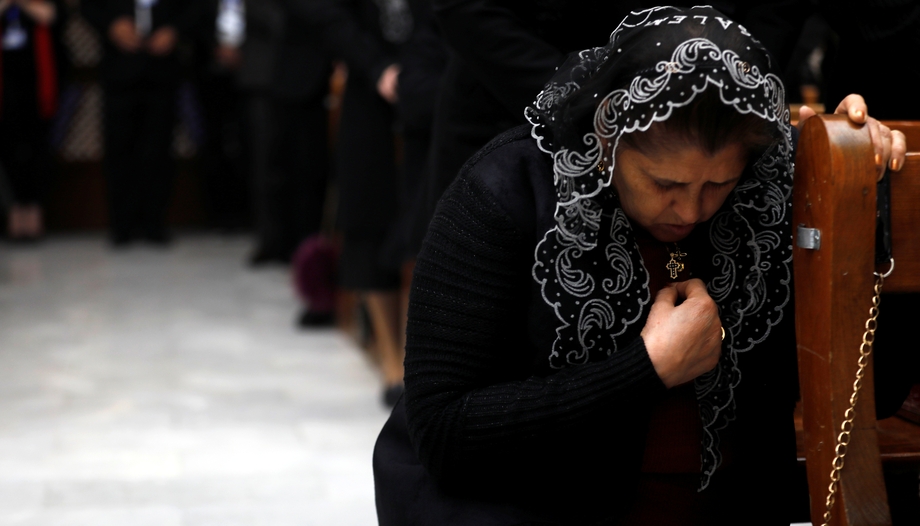
Religion shapes daily life in Iraq. Be mindful of practices especially during prayer times and Ramadan.
- Mosques: Remove shoes before entering.
- Ramadan: Avoid eating or drinking in public during daylight hours.
- Holy Sites: Follow local dress codes and conduct.
Photography Etiquette

Always ask permission before taking photos of people especially women. Some areas such as government buildings and checkpoints are sensitive and should never be photographed.
Social Customs and Hospitality

- Iraqis are famously hospitable. If invited into a home:
- Bring a small gift like sweets or fruit.
- Remove your shoes before entering.
- Accept tea or refreshments graciously.
Transportation Etiquette
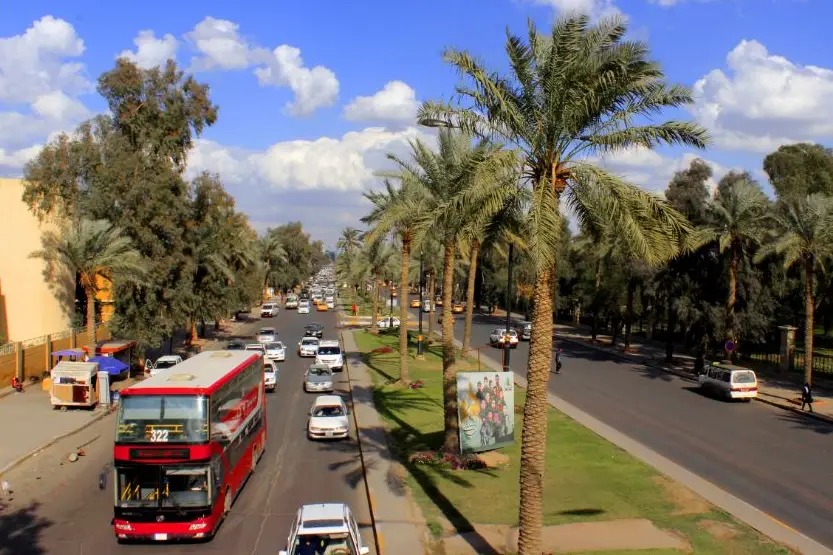
- When using taxis or rideshares:
- Agree on the ride fare in advance.
- Sit in the back seat if traveling alone.
- Be polite but keep conversations light unless the driver engages further.
Safety and Awareness

- Iraq is gradually opening to more travelers but staying updated on the current situation is wise.
- Stay near well-frequented areas.
- Respect local curfews or guidance.
- Always carry identification and your Iraq eVisa.
Shopping and Market Etiquette

Bargaining is part of the shopping experience in bazaars. Do it politely and with a smile—it’s seen as part of the fun not confrontation.
Language and Communication
Arabic is the main language though Kurdish is also widely spoken in northern Iraq. Learning simple phrases like Shukran (thank you) or Min fadlak (please) will go a long way.
Travel Advice for a Smooth Experience

- Stay Hydrated: The climate can be dry and hot.
- Travel Insurance: Always recommended for international trips.
- Local SIM Card: Helps with navigation and translation apps.
- Plan Ahead: Major attractions like Babylon or the Marshes may require guided tours.
Final Thoughts
Exploring Iraq is an unforgettable adventure. By understanding Cultural Etiquette in Iraq: What eVisa Visitors Should Know you’ll not only enjoy the country’s ancient wonders but also form meaningful connections with its people. With your Iraq eVisa in hand and cultural awareness as your guide you’re set for a journey rich in history, tradition and heartfelt hospitality.
Frequently Asked Questions (FAQ)
Q1. Do I need an eVisa to travel to Iraq?
Yes, most travelers require an Iraq eVisa for entry.
Q2. How long does the eVisa last?
Tourist eVisas generally allow a stay of up to 30 days but durations vary.
Q3. Can I extend my stay?
Extensions may be possible depending on the visa type. Check with local authorities during your stay.