
Fiberglass batt insulation maintains indoor comfort year-round by creating thermal barriers that regulate heat transfer between indoor and outdoor environments. The trapped air within the glass fiber matrix provides R-values ranging from R-11 to R-38 depending on thickness, reducing temperature fluctuations by 15-25°F and maintaining consistent indoor temperatures within 2-3 degrees of thermostat settings. This thermal stability reduces HVAC system cycling by 30-40%, delivering consistent comfort while lowering energy consumption across all seasons.
The comfort enhancement stems from fiberglass batts‘ ability to slow conductive heat transfer through building assemblies while providing sound dampening that reduces noise transmission by 10-15 decibels. Proper installation creates continuous thermal boundaries that prevent hot and cold spots, drafts, and temperature variations that compromise occupant comfort. The material’s resilience maintains performance for 50-80 years, providing decades of consistent climate control without degradation.
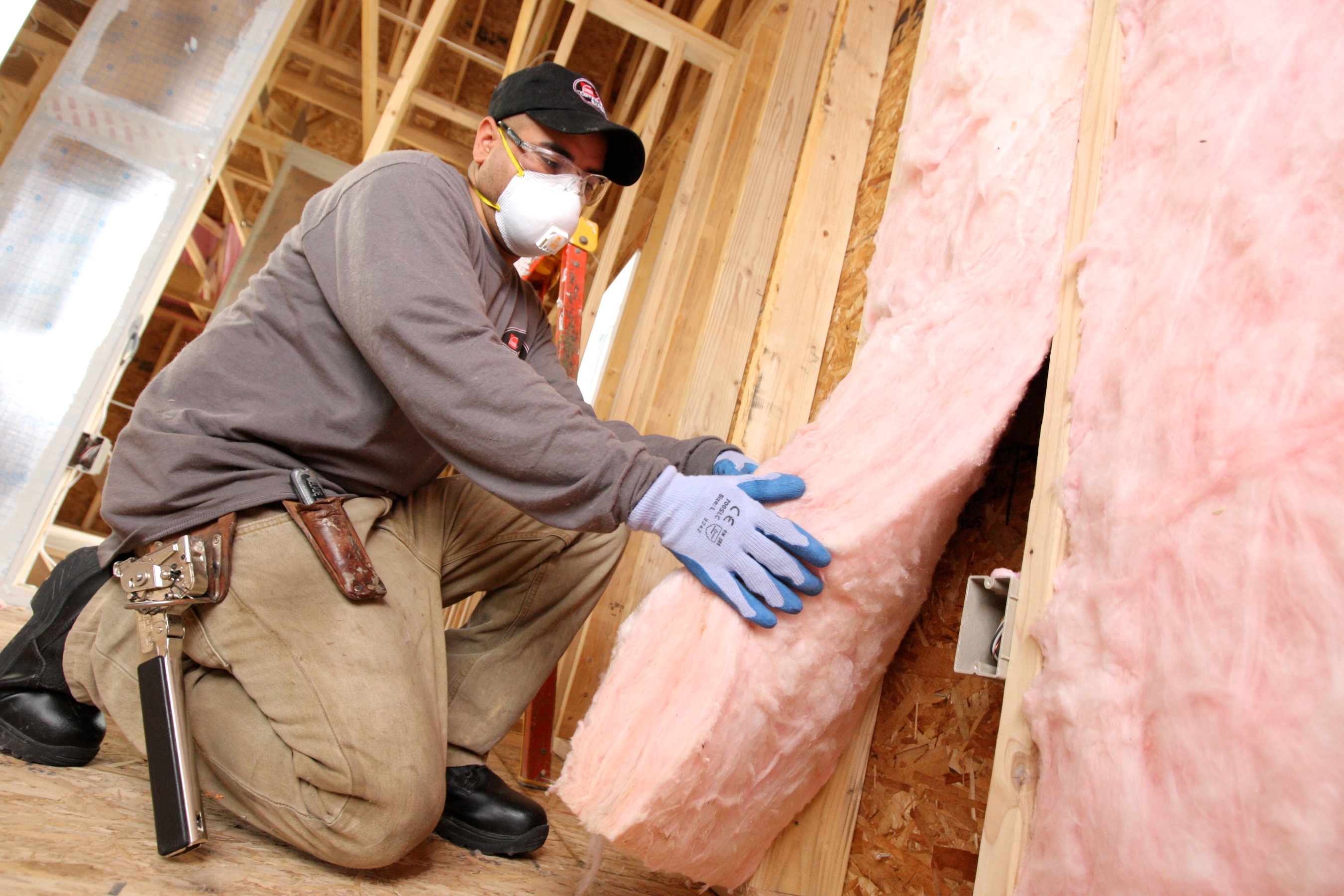
Thermal Performance Mechanisms for Comfort Control
Fiberglass batt insulation achieves consistent indoor comfort through multiple heat transfer reduction mechanisms that work together to maintain stable temperature conditions. The material’s structure creates millions of small air pockets that resist thermal movement while accommodating building movement and settling.
Heat Transfer Reduction Across Seasons
Fiberglass batts control heat flow in both directions, keeping heated air inside during winter and preventing hot outdoor air from entering during summer. The thermal resistance works by:
- Trapping still air within glass fibers to prevent convective heat transfer
- Creating physical barriers that slow conductive heat movement through building materials
- Maintaining consistent R-value performance across temperature ranges from -40°F to 180°F
- Preventing thermal bridging when properly installed around structural elements
Moisture Management for Comfort Stability
Proper moisture control prevents condensation that can compromise both insulation performance and indoor comfort. Fiberglass batts allow water vapor transmission while maintaining thermal properties:
- Vapor permeability prevents moisture buildup within wall cavities
- Quick-drying properties maintain R-value even with minor moisture exposure
- Mold and mildew resistance preserves indoor air quality
- Compatible with vapor barriers and air sealing systems for comprehensive moisture management
Bonus Tip: Install vapor barriers on the warm-in-winter side of insulation to prevent condensation while allowing the assembly to dry toward the exterior in summer months.
| Insulation Type | R-Value Range | Temperature Stability | Moisture Handling | Comfort Consistency |
| Fiberglass Batts | R-11 to R-38 | Excellent | Good | High |
| Blown Cellulose | R-13 to R-32 | Good | Fair | Moderate |
| Mineral Wool | R-15 to R-30 | Excellent | Excellent | High |
| Spray Foam | R-13 to R-49 | Excellent | Variable | Very High |
Installation Techniques for Maximum Comfort Performance
Professional installation techniques directly impact fiberglass batt performance and long-term comfort delivery. Proper fitting, compression management, and continuity ensure optimal thermal performance throughout the building envelope.
Cavity Filling and Compression Control
Correct batt installation requires precise fitting to maximize thermal performance while avoiding compression that reduces R-value:
- Cut batts 1/4 inch wider than cavity width for snug fit without compression
- Split batts around wiring and plumbing to maintain full thickness
- Use multiple batt layers for deep cavities rather than compressing single thick batts
- Seal gaps around batts with caulk or foam to prevent air bypasses
Continuity and Thermal Bridge Management
Maintaining continuous insulation coverage eliminates comfort-compromising gaps and thermal bridges:
- Overlap batts at joints between different building assembly sections
- Install separate insulation pieces around windows, doors, and penetrations
- Address rim joists, band boards, and other structural thermal bridges
- Coordinate with air sealing to eliminate convective heat loss pathways
Bonus Tip: Use unfaced batts in most applications and install separate vapor barriers for better air sealing and moisture control compared to kraft-faced products.
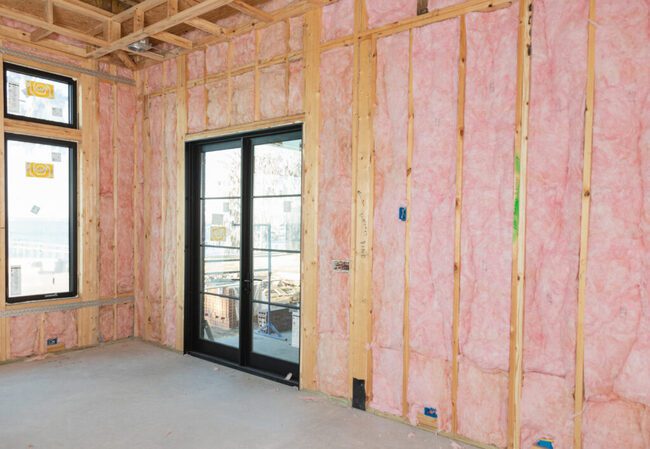
Seasonal Comfort Performance Analysis
Fiberglass batt insulation delivers consistent comfort benefits across varying seasonal conditions through stable thermal resistance and building envelope integration. Performance data demonstrates reliable comfort maintenance regardless of outdoor temperature extremes.
Winter Heating Season Benefits
During cold weather, properly installed fiberglass batts maintain indoor warmth and prevent cold drafts that compromise comfort:
- Reduce heat loss through walls and ceilings by 60-75% compared to uninsulated assemblies
- Eliminate cold spots near exterior walls and windows
- Maintain consistent temperatures between rooms and floors
- Reduce heating system runtime while maintaining thermostat settings
Market research indicates homes with R-19 wall insulation maintain indoor temperatures within 1-2 degrees of thermostat settings during outdoor temperatures as low as -10°F, compared to 5-8 degree variations in poorly insulated structures.
Summer Cooling Season Performance
Hot weather performance focuses on preventing outdoor heat from entering conditioned spaces while maintaining consistent indoor temperatures:
- Block solar heat gain through roof and wall assemblies
- Reduce cooling load variations throughout the day
- Prevent hot spots in south and west-facing rooms
- Maintain comfortable humidity levels through reduced HVAC cycling
| Climate Zone | Comfort Temperature Range | HVAC Runtime Reduction | Energy Savings |
| Cold (6-7) | ±2°F variation | 35-45% | $400-800/year |
| Mixed (4-5) | ±2°F variation | 25-35% | $300-600/year |
| Hot (1-3) | ±3°F variation | 30-40% | $350-700/year |
Advanced Comfort Enhancement Strategies
Strategic fiberglass batt application combined with complementary building envelope improvements maximizes indoor comfort performance. Integrated approaches address multiple comfort factors simultaneously for superior results.
Multi-Zone Temperature Control
Different building areas require varying insulation strategies to maintain consistent comfort throughout the structure:
- Higher R-values in attic spaces to prevent excessive heat gain/loss
- Basement and crawl space insulation to eliminate cold floors
- Rim joist insulation to prevent drafts and temperature variations
- Cathedral ceiling applications requiring special ventilation coordination
Sound Control Integration
Fiberglass batts provide acoustic benefits that enhance comfort through noise reduction:
- Interior wall applications reduce sound transmission between rooms
- Floor/ceiling assemblies minimize impact noise transfer
- Mechanical room insulation reduces HVAC system noise
- Exterior wall applications diminish outdoor noise infiltration
Bonus Tip: Specify higher density fiberglass batts (2.0-2.5 pcf) for superior acoustic performance in noise-sensitive applications while maintaining thermal comfort benefits.
Performance Standards and Quality Specifications
Professional fiberglass batt installations must meet specific performance standards to ensure optimal comfort delivery and long-term effectiveness. Quality verification ensures projected comfort benefits are achieved.
Material Performance Requirements
| Performance Metric | Specification | Testing Standard | Comfort Impact |
| Thermal Resistance | R-11 to R-38 | ASTM C518 | Temperature stability |
| Fire Resistance | Class A | ASTM E84 | Safety compliance |
| Moisture Resistance | <1% water absorption | ASTM C1104 | Performance maintenance |
| Air Permeability | <2.0 CFM/ft² | ASTM E283 | Draft elimination |
| Acoustic Performance | NRC 0.85-1.05 | ASTM C423 | Sound comfort |
Installation Quality Verification
Professional installations implement quality control measures to ensure comfort performance targets are met:
- Thermal imaging inspection to identify gaps and compression issues
- Air leakage testing to verify envelope integrity
- Moisture content monitoring during and after installation
- Thickness verification to confirm specified R-values
- Long-term performance monitoring through energy usage tracking
Building Type-Specific Comfort Applications
Different building types present unique comfort challenges that fiberglass batt insulation addresses through tailored application strategies. Specific approaches optimize comfort for various occupancy patterns and usage requirements.
Residential Comfort Optimization
Single-family and multi-family residential buildings require consistent comfort throughout living spaces:
- Bedroom insulation for consistent sleep comfort temperatures
- Living area applications for all-day comfort maintenance
- Bathroom and kitchen moisture management for comfort and durability
- Basement finishing insulation for expanded comfortable living space
Commercial Building Comfort Control
Office buildings, retail spaces, and institutional facilities benefit from fiberglass batt applications that maintain occupant comfort while controlling energy costs:
- Open office temperature uniformity across large spaces
- Conference room acoustic and thermal comfort
- Retail space customer comfort enhancement
- Educational facility year-round learning environment maintenance
[Image: Commercial building cross-section showing strategic fiberglass batt placement for optimal occupant comfort]
Things to Consider Before Making a Decision
Fiberglass batt selection and installation require evaluation of building-specific factors that influence comfort performance and long-term effectiveness. Consider these critical elements to optimize comfort delivery.
Building Construction and Design Factors
Existing building characteristics affect fiberglass batt performance and comfort enhancement potential:
- Framing type and cavity dimensions determine batt size requirements
- Air sealing quality impacts overall comfort performance regardless of insulation R-value
- HVAC system capacity and distribution affect comfort uniformity
- Window and door quality influence overall building envelope performance
Climate and Environmental Conditions
Regional climate patterns determine optimal fiberglass batt specifications for year-round comfort:
- Heating and cooling degree days influence required R-value levels
- Humidity conditions affect moisture management requirements
- Wind exposure impacts air infiltration control needs
- Solar orientation determines thermal load variations requiring compensation
Occupancy Patterns and Comfort Expectations
Different usage patterns require varying comfort performance levels:
- Continuous occupancy demands consistent temperature control
- Variable schedules may allow temperature setbacks during unoccupied periods
- Activity levels influence comfort temperature preferences
- Age and health considerations affect temperature sensitivity requirements
Common Questions
Installation in Existing Buildings Retrofit fiberglass batt installation in existing buildings requires careful planning to minimize disruption while maximizing comfort improvements. Access limitations may require creative approaches such as blown-in dense-pack installation or removal of interior finishes. Professional assessment determines the most effective retrofit strategy based on existing construction and comfort improvement goals.
Performance in High Humidity Climates Fiberglass batts perform well in humid climates when properly installed with appropriate vapor control strategies. The material’s vapor permeability prevents moisture trapping while maintaining thermal performance. However, air sealing becomes critical to prevent humid air infiltration that could compromise comfort and indoor air quality.
Integration with Smart Home Systems Modern fiberglass batt installations integrate effectively with smart thermostats and zoned HVAC systems to optimize comfort and energy efficiency. The stable thermal performance provides consistent baseline comfort that smart systems can fine-tune based on occupancy patterns and preferences.
Compatibility with Radiant Heating Systems Fiberglass batts work exceptionally well with radiant floor heating by preventing heat loss to unconditioned spaces below. Proper installation under radiant systems improves comfort delivery while reducing energy consumption by directing heat upward into living spaces rather than losing it to basements or crawl spaces.
Fiberglass Batt Insulation Comfort FAQ
How does fiberglass batt thickness affect year-round comfort performance? Thicker batts provide higher R-values that deliver more consistent indoor temperatures and better comfort control. R-19 wall insulation maintains temperatures within 2-3 degrees of thermostat settings, while R-13 insulation may allow 4-5 degree variations during extreme weather. Proper thickness selection based on climate zone ensures optimal comfort performance throughout the year.
What role does proper air sealing play in fiberglass batt comfort performance? Air sealing significantly enhances fiberglass batt comfort delivery by preventing drafts and convective heat loss that can compromise thermal performance. Even high R-value insulation performs poorly without proper air sealing, as air movement bypasses the thermal resistance. Combined air sealing and insulation approaches deliver superior comfort compared to insulation alone.
Can fiberglass batts eliminate hot and cold spots in buildings? Properly installed fiberglass batts dramatically reduce hot and cold spots by creating consistent thermal barriers throughout the building envelope. However, thermal bridges, air leaks, and inadequate insulation coverage can still create comfort problems. Comprehensive installation addressing all thermal weak points eliminates most temperature variations for consistent comfort.
How do fiberglass batts compare to other insulation types for comfort performance? Fiberglass batts provide excellent comfort performance at moderate cost, delivering consistent thermal resistance and sound dampening. Spray foam offers superior air sealing but costs significantly more, while blown cellulose provides good performance with better air sealing than batts. For most applications, properly installed fiberglass batts deliver excellent comfort performance with proven long-term reliability.
What maintenance requirements exist for maintaining comfort performance over time? Fiberglass batts require minimal maintenance to maintain comfort performance, as the material does not settle or degrade significantly over decades. However, building movement, renovations, or moisture issues can compress or displace batts, reducing comfort performance. Periodic inspections during major maintenance or renovations ensure continued optimal comfort delivery.
Make the Right Decision
Fiberglass batt insulation represents a proven, cost-effective solution for maintaining consistent indoor comfort throughout all seasons. The material’s reliable thermal performance, sound dampening properties, and long service life provide decades of comfort enhancement with minimal maintenance requirements.
Evaluate your specific comfort needs, climate conditions, and building characteristics when selecting fiberglass batt specifications and installation approaches. Professional assessment ensures optimal R-value selection and installation techniques that maximize comfort benefits while fitting within budget constraints.
Focus on certified installers with experience in comprehensive building envelope approaches that combine insulation, air sealing, and moisture management for superior comfort results. Quality installation directly impacts comfort performance, making contractor selection as important as material choice for achieving consistent year-round indoor comfort.
Reviewer
Reviewer: Henry Turner has 9 years of experience in spray foam insulation. He reviewed this article and helped shape it into a clear guide for companies working to build trust in their local market.
