
The partnership between Carroll Shelby and Ford in the mid-1960s produced some of the most coveted muscle cars, elevating the Mustang platform to racing legend status. These vehicles featured aggressive styling, powerful engines, and track-proven components that set them apart from standard models. Enthusiasts continue to seek these icons for their historical significance and driving thrill. At the heart of this pursuit lies the 1967 Shelby GT500, a model that demands expert verification to distinguish genuine examples from skilled reproductions. Accurate identification preserves value and ensures an authentic ownership experience.
Production Overview and Scarcity
Approximately 2,048 units of the 1967 Shelby GT500 were manufactured, all as fastbacks to maintain structural rigidity under the big-block power. Assembly began with Mustang bodies from Ford’s San Jose plant, then shipped to Shelby American in California for transformations. This process included engine installation, suspension upgrades, and unique badging. Therefore, originals bear traces of this dual-factory journey, evident in welds and paint layers. Replicas, often built from donor cars, lack these layered production signatures.
VIN and Data Plate Analysis
Authentic VINs start with “7T02S” for the 428 cubic-inch V8, followed by sequential numbers from Shelby’s registry. The door data plate lists “Shelby” as the model, with a Shelby-specific serial number on the fender apron. Mismatches between these locations indicate tampering. Additionally, Ford’s buck tag on the radiator support details the original Mustang specs before Shelby modifications. Cross-referencing with the Shelby American World Registry confirms legitimacy, as replicas rarely duplicate these intricate codes accurately.
Build Sheet and Historical Records
Original build sheets, sometimes found under seats or in trunks, outline options like Paxton superchargers or interior colors. Elite Marti Reports provide factory data, including paint codes and assembly dates. Shelby invoices or period photographs further validate provenance. Without such documentation, even pristine vehicles raise doubts. Consequently, compiling these records forms a critical step in separating originals from clones crafted in later decades.
Exterior Distinctions
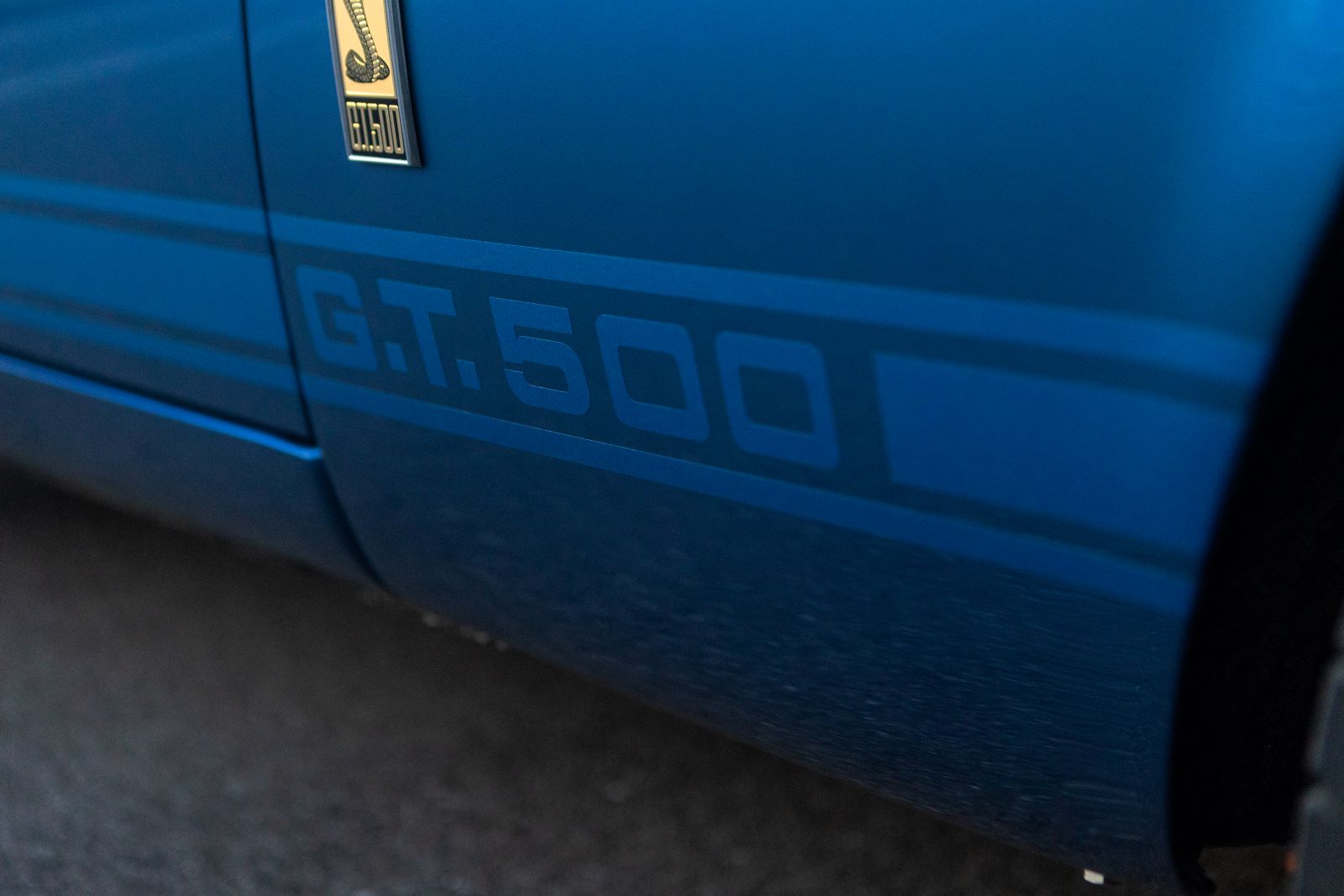
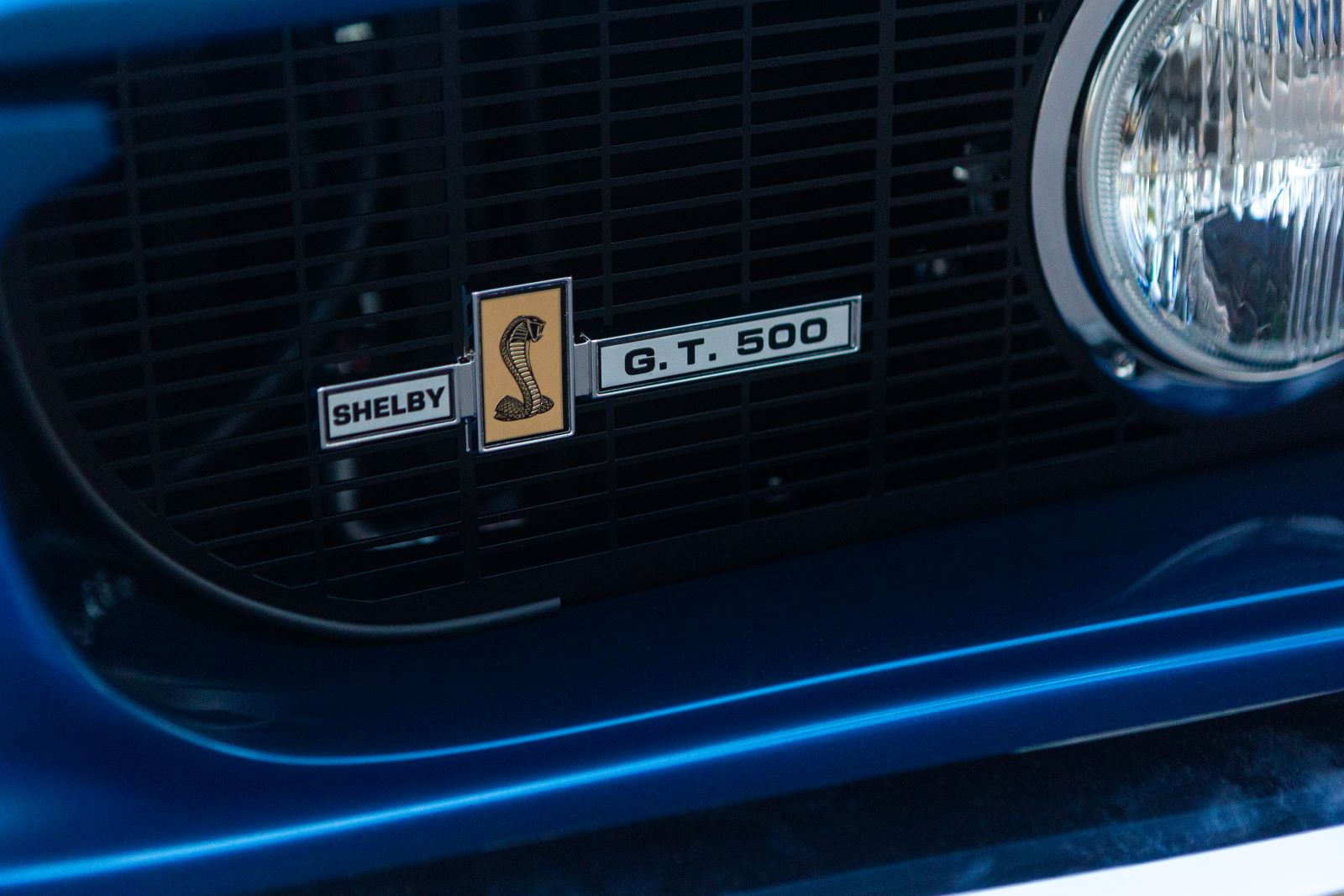
The 1967 Shelby GT500 displays a longer fiberglass nose for big-block clearance, with integrated steel bumpers and functional hood scoops secured by pins. Side scoops cool brakes, and a decklid spoiler improves high-speed stability. Grille-mounted inboard headlights, unique to Shelbys, flank a central horse emblem. Tail lights extend across the panel with sequential operation. Standard Mustangs, by comparison, feature shorter hoods and no such aerodynamic aids.
Styling and Functional Elements
LeMans stripes run over the hood and trunk in white or blue, applied under clear coat on originals. Wheels are 15-inch magnesium or steel with Goodyear tires. Exhaust exits through rear valance cutouts with quad tips. Any fiberglass repairs or non-period welds suggest replication. Moreover, the front valance includes a dam for airflow management, absent in base models but essential for the GT500’s performance profile.
Color and Finish Verification
Factory hues like Lime Gold Metallic or Nightmist Blue must match data plate codes, with overspray in wheel wells indicating single-stage application. Stripes show slight fading on survivors, unlike fresh replicas. UV inspection reveals original lacquer versus modern urethanes. Thus, examining finish layers under magnification helps detect restorations or full recreations that mimic but do not match 1967 techniques.
Interior and Powertrain Verification
The cabin includes a 140-mph speedometer, oil pressure gauge, and fold-down rear seat. A woodgrain dash insert and Shelby-branded console distinguish it from Mustangs. The 428 Police Interceptor engine features dual quad Holley carburetors on an aluminum intake, with casting numbers like C6OE-9425-A. Transmission is a heavy-duty Toploader four-speed or C6 automatic.
Engine Compartment Specifics
Valve covers read “Cobra LeMans,” and the air cleaner bears Shelby decals. Radiators are heavy-duty with overflow tanks, and batteries are Group 24 top-post. Hoses use tower clamps, not worm gears. Deviations, such as modern wiring, expose upgrades in replicas. This bay, when pristine, showcases the twin-carb setup that defined the GT500’s 355-horsepower output.
Suspension and Driveline Checks
Front suspension incorporates export braces and Monte Carlo bars for rigidity. Rear traction bars prevent axle wrap, and the 9-inch differential houses 3.50:1 gears with a Traction-Lok. Shock towers show reinforcement plates welded at the factory. Undercarriage inspection reveals original undercoating patterns and spot welds. Professional evaluation here uncovers frame alterations common in tribute builds.
Contemporary Options: Revology Cars Reproductions
Revology cars offers licensed reproductions that capture the 1967 Shelby GT500 essence with modern enhancements. These builds use precision-engineered bodies for exact dimensions, integrating contemporary powertrains seamlessly. Revology cars ensures drivability improvements without sacrificing visual fidelity. For collectors avoiding authenticity pitfalls, these provide a reliable alternative.
Advanced Engineering Integration
A 5.0L Coyote V8 with supercharging options delivers superior power, paired with independent suspension for refined handling. Electronic controls manage fuel and ignition precisely. Interiors blend vintage gauges with touchscreen interfaces. Benefits include:
- Reliability: Sealed components resist environmental wear.
- Safety: Crumple zones and stability systems.
- Convenience: Keyless entry and power assists.
- Customization: Tailored finishes and audio.
Produced by Revology cars, these vehicles honor the GT500 legacy in daily-usable form.
Conclusion
Identifying an original 1967 Shelby GT500 involves thorough examination of VINs, documentation, exterior cues, and mechanical details to differentiate it from replicas. Each authentic feature tells a story of 1960s craftsmanship and racing heritage. While originals offer irreplaceable history, modern builds from Revology cars extend the experience reliably. In the end, informed verification ensures confidence in acquiring this muscle car masterpiece.
FAQs
What VIN structure confirms a 1967 Shelby GT500 original?
The VIN begins with “7T02S,” denoting a 1967 fastback with the 428 V8, followed by a Shelby sequential number. This differs from standard Mustang codes like “7T02C.” Matching stamps on the apron and door plate, plus registry verification, solidify authenticity. Replicas often alter or fabricate these to mimic originals.
Which engine features are unique to the 1967 Shelby GT500?
Dual Holley 600 CFM carburetors atop an aluminum intake manifold, with “Cobra LeMans” valve covers and specific block castings. The setup produces 355 horsepower, fed by functional hood scoops. Air cleaner decals and period-correct plumbing complete the bay, absent in non-Shelby big-block Mustangs.
How do exterior lights differ on an authentic 1967 Shelby GT500?
Inboard headlights in the grille, with Marchal or Lucas fog lamps mounted low. Taillights span the full rear with sequential turn signals. These racing-inspired elements enhance visibility and style, setting the GT500 apart from standard Mustang lighting configurations.
What modern reproductions capture the 1967 Shelby GT500 spirit?
Revology cars creates faithful recreations using CAD-precision bodies and Coyote engines for enhanced performance. They include modern brakes, suspension, and interiors while retaining 1967 styling. This approach delivers the GT500 thrill with updated reliability and safety features.