
Namibia exists on the clash of contrasts: the golden dunes of Sossusvlei rise dramatically against the vast expanse of the desert, while the roaring Atlantic crashes onto rugged coastlines. Desert elephants wander freely across the arid plains, and at night, the sky transforms into a canvas of stars so vivid and clear it feels infinite. Every moment in this country is a reminder of nature’s raw beauty and the endless possibilities for exploration.
Planning this unforgettable adventure has never been easier thanks to the Namibia eVisa. With a simple online application, you can secure your entry and focus entirely on designing your dream journey, free from bureaucratic hassle. Whether it’s chasing sunsets, spotting wildlife, or discovering hidden desert gems, the Namibia e-Visa opens the door to an unparalleled road trip adventure.
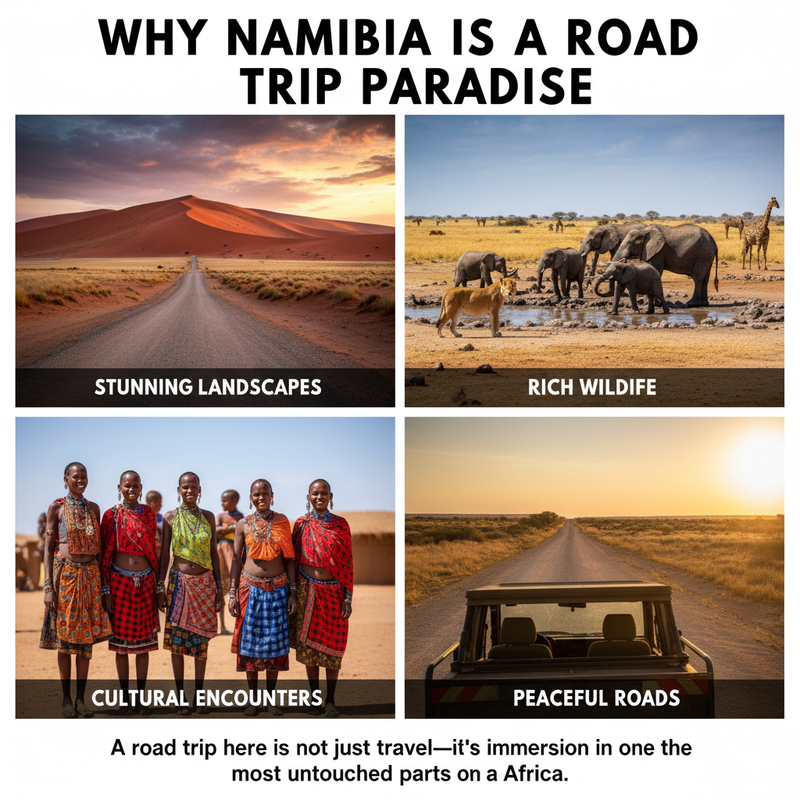
Why Namibia is a Road Trip Paradise
Few places in the world are as well-suited for self-driving as Namibia. With a vast network of open highways, minimal traffic, and breathtaking scenery around every corner, the country almost feels designed for road trips.
Here’s why Namibia stands out:
- Stunning Landscapes – From the rust-red dunes of Sossusvlei to the lunar-like surfaces of Damaraland, every region offers new scenery.
- Rich Wildlife – Etosha National Park is home to elephants, lions, rhinos, and countless bird species.
- Cultural Encounters – Meet the Himba, San, and Herero communities, each with unique traditions.
- Peaceful Roads – Unlike crowded destinations, Namibia’s roads are calm, making driving less stressful.
A road trip here is not just travel—it’s immersion in one of the most untouched parts of Africa.
Step 1: Secure Your Namibia eVisa
Before hitting the road, make sure your Namibia eVisa is approved. This digital system allows travelers to apply for Namibia eVisa online, submit documents, and receive entry approval electronically. No long queues, no complicated processes—just a simple way to get ready for your adventure.
Apply at least one to two weeks before your trip. Although processing is often quick, this buffer gives peace of mind. Once approved, carry a printed and digital copy for easy access when you arrive.
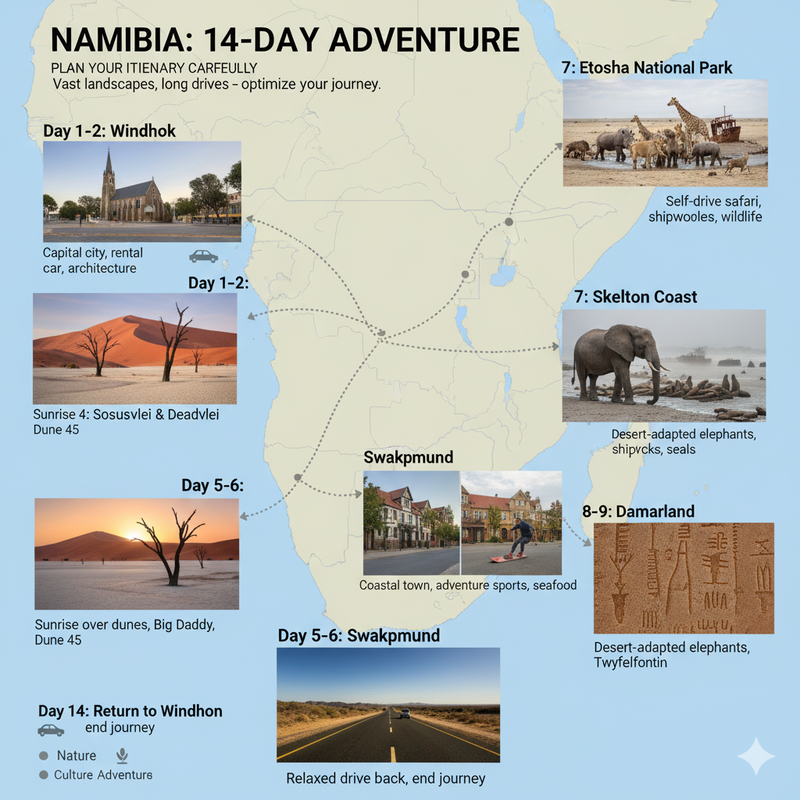
Step 2: Plan Your Itinerary Carefully
Namibia is vast—bigger than France and Germany combined—but with a population of just over 2.5 million. That means wide-open spaces and long drives between major attractions. Planning your route is key to making the most of your time.
Suggested 14-Day Itinerary:
- Day 1–2: Windhoek – Explore the capital city, pick up your rental car, and visit Christuskirche or Independence Avenue.
- Day 3–4: Sossusvlei & Deadvlei – Witness sunrise over the tallest dunes in the world. Don’t miss Big Daddy and Dune 45.
- Day 5–6: Swakopmund – A coastal town with adventure sports, German-inspired architecture, and fresh seafood.
- Day 7: Skeleton Coast – Drive through dramatic coastlines scattered with shipwrecks and colonies of Cape fur seals.
- Day 8–9: Damaraland – See desert-adapted elephants and visit Twyfelfontein’s ancient rock engravings.
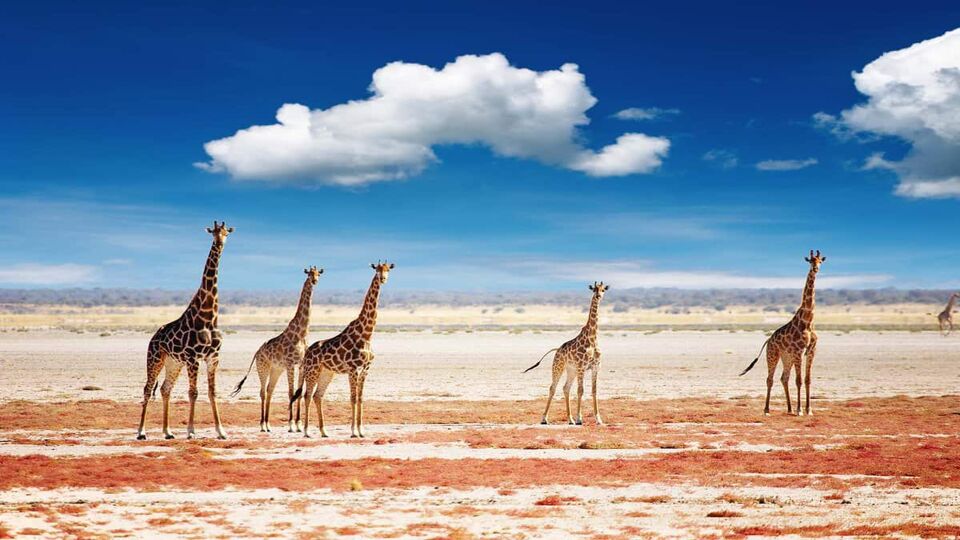
- Day 10–13: Etosha National Park – Spend several days on self-drive safaris, spotting lions, rhinos, giraffes, and zebras at waterholes.
- Day 14: Return to Windhoek – End your journey with a relaxed drive back.
Step 3: Choose the Right Vehicle
Namibia’s diverse terrain makes your vehicle choice crucial. While sedans can handle paved highways, most travelers prefer a 4×4 vehicle, especially for gravel and sandy routes. Many rental companies offer fully equipped vehicles with rooftop tents, camping gear, and GPS navigation—perfect for adventurers who want flexibility.
Tip: If you plan to camp, a 4×4 with a rooftop tent is both cost-effective and an unforgettable way to experience Namibia’s starry nights.

Step 4: Accommodation Options
Namibia caters to all types of travelers:
- Camping – Budget-friendly, adventurous, and often inside or near national parks. Many campsites have excellent facilities.
- Guesthouses & Lodges – Comfortable stays run by locals, giving you a personal touch.
- Luxury Safari Lodges – High-end experiences offering guided drives, private decks, and fine dining.
Book accommodations early during the dry season (June to September), when Namibia receives the highest number of visitors.

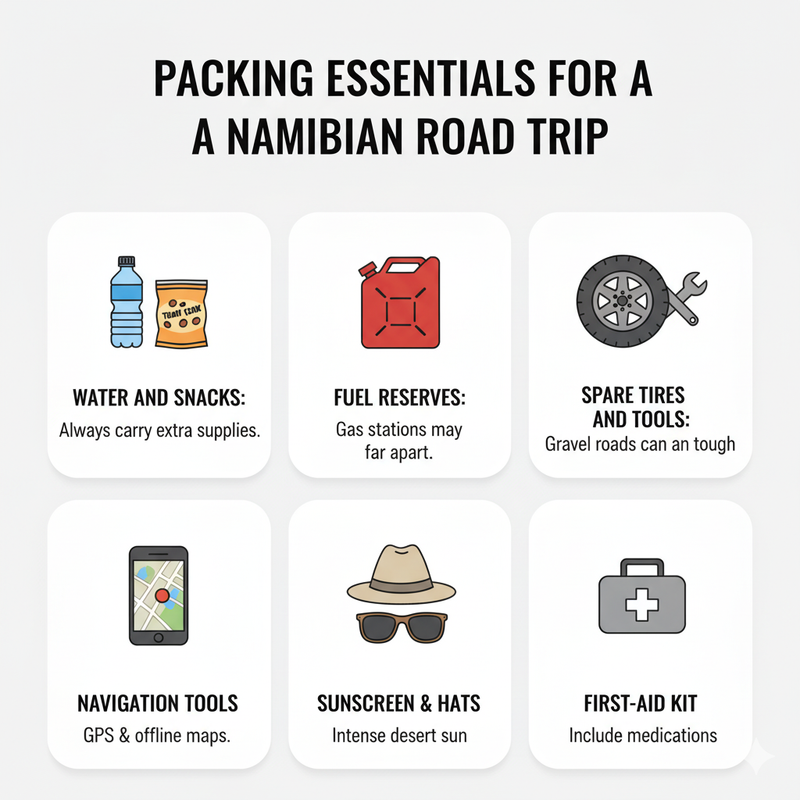
Step 5: Packing Essentials for a Namibian Road Trip
Because Namibia’s roads can stretch for hundreds of kilometers without services, preparation is vital. Essential items include:
- Water and Snacks – Always carry extra supplies.
- Fuel Reserves – Gas stations may be far apart.
- Spare Tires and Tools – Gravel roads can be tough on vehicles.
- Navigation Tools – GPS and offline maps are recommended.
- Clothing – Light clothes for daytime and warm layers for cool desert nights.
- Sunscreen & Hats – The desert sun is intense.
- First-Aid Kit – Include prescription medicines.
Step 6: Road Safety Tips
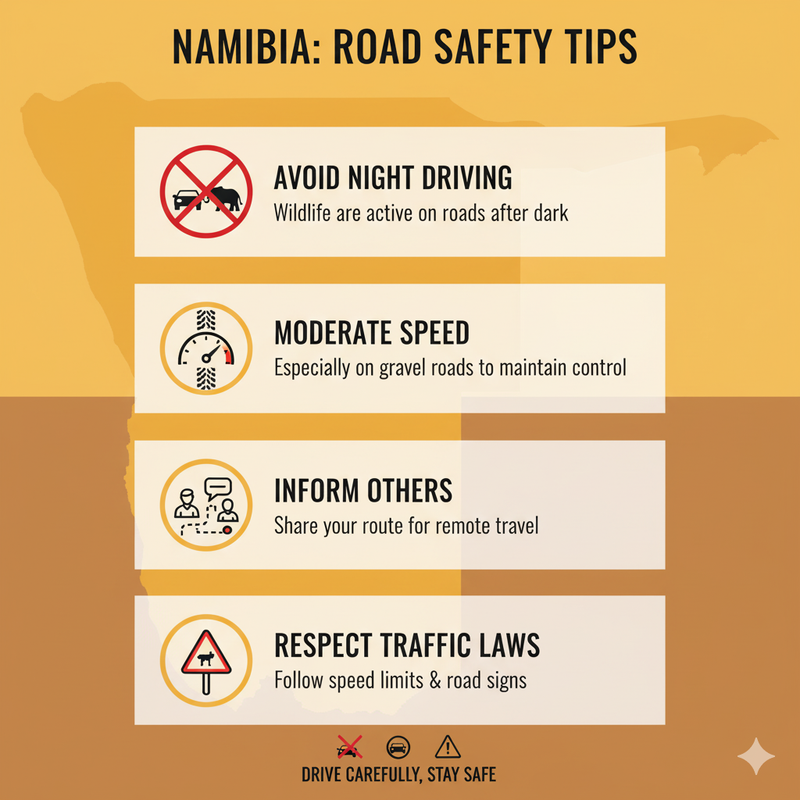
Driving in Namibia is safe but requires caution:
- Avoid driving at night due to wildlife on roads.
- Keep speed moderate, especially on gravel.
- Always inform someone of your planned route if traveling to remote areas.
- Respect speed limits and road signs.
Best Time of Year for a Namibia Road Trip
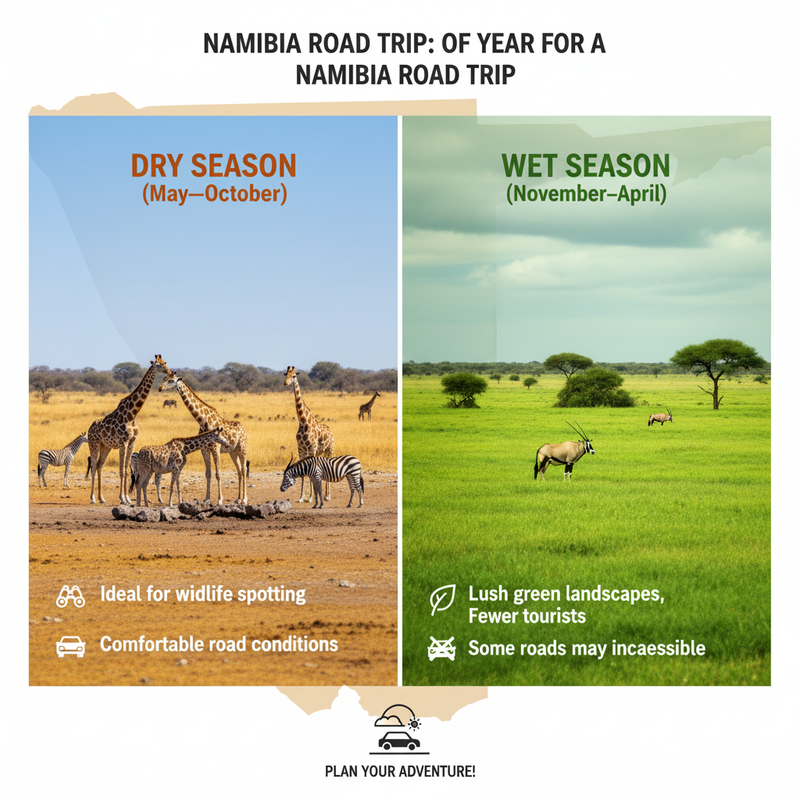
- Dry Season (May–October) – Ideal for wildlife spotting and comfortable road conditions.
- Wet Season (November–April) – Lush green landscapes, fewer tourists, but some roads may be inaccessible.
Travelers seeking wildlife photography and game viewing should choose dry months.
Food and Dining: What to Eat on the Road
Namibia offers local flavors and international cuisine:
- Game meats: Ostrich, springbok, kudu
- Seafood: Freshly caught fish along the coast
- Traditional dishes: Pap, kapana (street meat), local stews
Pack snacks and water for long drives between towns, as facilities may be limited.

Top Photography Spots in Namibia
- Sossusvlei & Deadvlei: Sunrise and sunset shots
- Etosha National Park: Capture wildlife at waterholes
- Skeleton Coast: Shipwrecks, seal colonies, and foggy coasts
- Fish River Canyon: Wide-angle desert landscapes
- Damaraland: Desert-adapted elephants and rock formations
Hidden Gems Off the Main Routes
- Kolmanskop Ghost Town: Sand-filled abandoned diamond mining town
- Caprivi Strip: Rivers, wetlands, and birdwatching
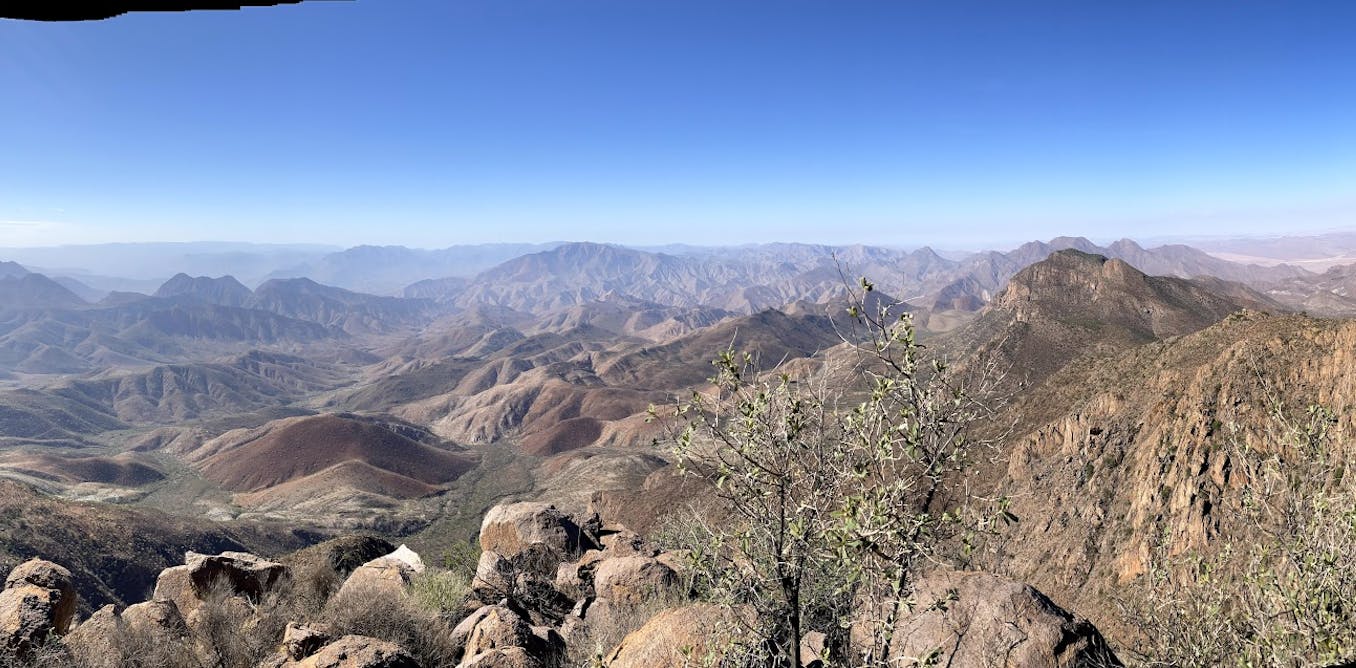
- Remote desert valleys: Less-traveled dunes and scenic stops
These spots provide unique experiences away from crowded tourist areas.
Conclusion
Namibia is not merely a place to visit, it is a journey to the expansive wilderness and a place of eternal beauty. It is an exploration country with limitless frontiers, savannahs that are full of wildlife and warm societies. With a well made route, Namibia eVisa booked beforehand, and road preparation, you’ll have the adventure of the lifetime.
It is not only the journey to the locations that would be undertaken, but rather the feeling of freedom and discovering the hidden places in Namibia and a lifetime experience.
FAQs About Namibia Road Trips and eVisa
Q1: How long does a Namibia eVisa stay valid?
Validity depends on the type of visa you apply for—usually short-term visits cover tourism and leisure travel.
Q2: Can I use my Namibia eVisa at multiple border crossings?
Yes, but confirm that your chosen entry points accept eVisas before finalizing your itinerary.
Q3: What is the best season for a Namibia road trip?
The dry winter months (May–October) are perfect for wildlife spotting, while summer (November–April) brings lush scenery and fewer crowds.
Q4: Is it safe to self-drive as a solo traveler?
Yes, many solo travelers choose Namibia due to its safety and easy-to-navigate roads. Just stay prepared and cautious.
Q5: Do I need permits for national parks?
Yes, entry permits are required for parks like Etosha and Namib-Naukluft. These can usually be purchased at park gates.
