
Managing multiple medications can be a daunting task, especially for individuals with chronic conditions or complex treatment plans. The hassle of remembering different refill dates, making frequent pharmacy trips, and coordinating with healthcare providers often leads to missed doses or delayed refills. Fortunately, medication synchronization offers a practical solution to streamline this process, making medication management simpler and less stressful.
What Is Medication Synchronization?
Medication synchronization, often referred to as “med sync,” is a service offered by many pharmacies that aligns all of a patient’s prescription refill dates to a single, convenient day each month. Instead of juggling multiple refill schedules, patients receive all their medications on the same day, reducing confusion and improving adherence.

This approach is especially beneficial for those taking several medications for chronic illnesses such as diabetes, hypertension, or heart disease. By coordinating refill dates, pharmacies help patients avoid running out of essential medications and minimize the risk of medication errors. Furthermore, this system can significantly reduce the stress and anxiety that often accompany managing multiple prescriptions, allowing patients to focus more on their health and well-being.
Additionally, medication synchronization can foster a stronger relationship between patients and their pharmacists. When patients visit the pharmacy less frequently, they have the opportunity to engage in more meaningful conversations about their health, medication side effects, and any concerns they may have. This interaction not only empowers patients but also allows pharmacists to provide tailored advice and support, ensuring that each patient’s medication regimen is as effective as possible. Click here and explore how Corpus Memorial Pharmacy can support your healthcare needs.
How Does Medication Synchronization Work?
The process begins with a pharmacist reviewing a patient’s medication profile to determine which prescriptions can be synchronized. This may involve adjusting the quantity or dosage to align refill dates without compromising the treatment plan. Once synchronized, the patient visits the pharmacy on their designated refill day to pick up all medications at once.
Many pharmacies also offer additional support services alongside medication synchronization, such as medication therapy management (MTM), counseling, and reminders, which further enhance the benefits of this program. For instance, some pharmacies provide automated text or email reminders to alert patients when it’s time to refill their medications, ensuring they never miss a dose. This proactive approach helps to reinforce adherence and encourages patients to take an active role in their healthcare management.
Moreover, the implementation of technology in medication synchronization has made the process even more efficient. Many pharmacies now utilize sophisticated software systems that track medication usage and refill patterns, allowing for real-time adjustments and updates to a patient’s medication schedule. This not only streamlines the synchronization process but also enhances the overall patient experience by minimizing wait times and ensuring that all medications are readily available when needed.
Benefits of Medication Synchronization
Improved Medication Adherence
One of the most significant advantages of medication synchronization is improved adherence. Patients are more likely to take their medications as prescribed when refills are organized and predictable. This consistency is vital for managing chronic conditions effectively and preventing complications.
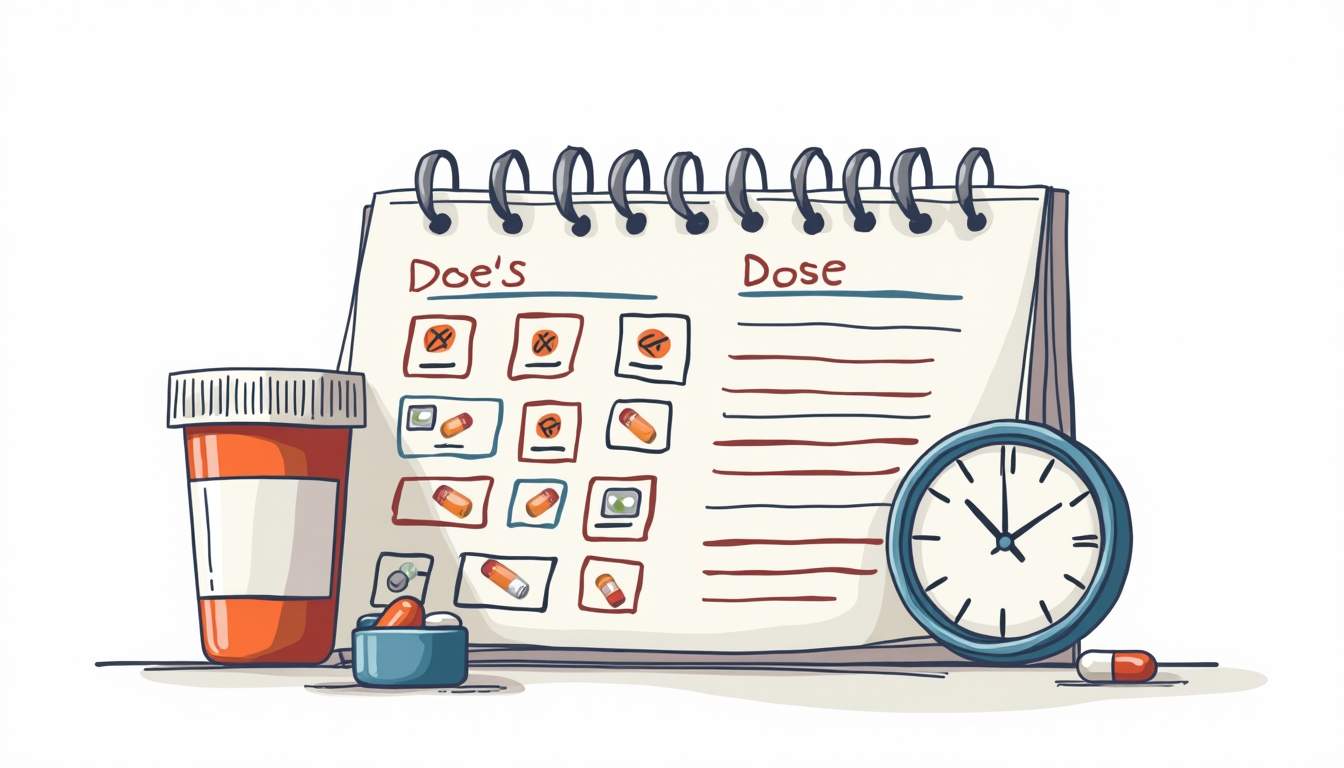
Studies have shown that patients enrolled in synchronization programs have higher rates of medication possession and lower rates of hospitalization related to medication non-adherence. By reducing the number of pharmacy visits, synchronization removes a common barrier to timely refills.
Convenience and Time Savings
Coordinating multiple refill dates can be time-consuming and stressful, especially for those with busy schedules or limited mobility. Medication synchronization consolidates these trips into one monthly visit, saving time and reducing transportation challenges.
For caregivers, this service can be a lifesaver, simplifying the management of medications for elderly or disabled family members. It also reduces the likelihood of last-minute pharmacy runs, which can disrupt daily routines.
Enhanced Communication with Healthcare Providers
Pharmacists play a crucial role in medication synchronization programs by maintaining close communication with prescribers. This collaboration ensures that any changes in therapy are promptly updated and that patients receive the most appropriate medications.
Additionally, pharmacists can identify potential drug interactions, duplicate therapies, or adherence issues during synchronization reviews, providing an extra layer of safety and personalized care.
Who Can Benefit from Medication Synchronization?
Patients with Chronic Conditions
Individuals managing chronic diseases such as asthma, arthritis, cardiovascular disease, or mental health disorders often take multiple medications daily. Synchronization helps these patients maintain a consistent medication routine, reducing the risk of missed doses and improving overall health outcomes.
Older Adults and Caregivers
Older adults frequently face challenges with medication management due to cognitive decline, complex regimens, or physical limitations. Synchronization simplifies their medication schedules, making it easier to stay on track.
Caregivers, whether family members or professional aides, also benefit from synchronized refills by having a clear, organized system to follow, reducing stress and potential errors.
Busy Professionals and Families
For those juggling work, family, and personal responsibilities, medication synchronization offers a way to minimize disruptions. By consolidating pharmacy visits and refills, patients can focus more on their daily lives and less on managing multiple medication schedules.
How to Enroll in a Medication Synchronization Program
Step 1: Talk to Your Pharmacist
The first step is to express interest in medication synchronization to your pharmacist. They will review your current prescriptions and determine if synchronization is feasible based on your medication regimen and refill cycles.
Step 2: Medication Review and Planning
The pharmacist will conduct a comprehensive medication review, ensuring all prescriptions are appropriate and safe to synchronize. This may include contacting your healthcare provider to adjust quantities or dosages to align refill dates.
During this step, patients can also discuss any concerns about side effects, adherence challenges, or lifestyle factors that may impact medication management.
Step 3: Establish a Refill Date
Once the medications are synchronized, a single monthly refill date is established. The pharmacist will notify you of this date and provide instructions on how to manage your medications until the next refill.
Step 4: Ongoing Support and Monitoring
After enrollment, the pharmacy will send reminders when it’s time to pick up refills or when medications need to be renewed. Pharmacists may also offer counseling sessions or medication therapy management to address any issues and optimize treatment.
Potential Challenges and How to Overcome Them
Insurance and Cost Considerations
Some insurance plans may have restrictions on early refills or limits on the quantity dispensed at one time, which can complicate synchronization efforts. It’s important to discuss these details with your pharmacist and insurance provider to find workable solutions.
In some cases, pharmacies may coordinate with insurers to obtain prior authorizations or adjust dispensing schedules to accommodate synchronization.
Medication Changes and Adjustments
Changes in medication regimens, such as dosage adjustments or new prescriptions, can disrupt synchronization schedules. Maintaining open communication with your pharmacist and healthcare provider is essential to update your medication plan promptly.
Pharmacies offering synchronization often have systems in place to handle such changes smoothly, minimizing inconvenience to patients.
Patient Engagement and Responsibility
While medication synchronization simplifies refill management, patients must remain engaged in their treatment. This includes attending scheduled pharmacy visits, communicating any side effects or concerns, and following prescribed instructions.
Developing a routine around the synchronization date and using reminder tools can help maintain adherence and maximize the benefits of the program.
Technology and Medication Synchronization
Pharmacy Apps and Online Portals
Many pharmacies now offer digital tools such as mobile apps and online portals that support medication synchronization. These platforms allow patients to view their medication lists, receive refill reminders, and request refills conveniently from home.
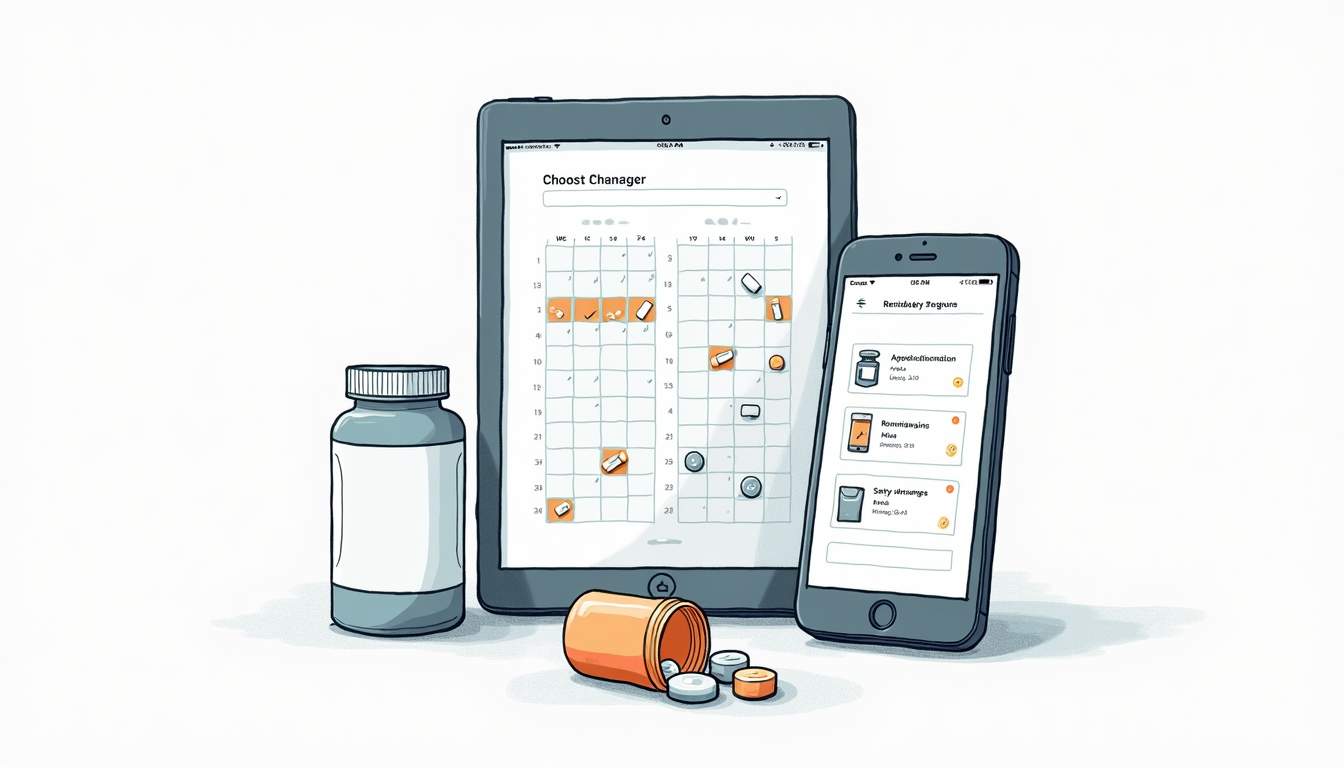
Such technology enhances communication between patients and pharmacists, making the synchronization process more efficient and user-friendly.
Automated Refill and Delivery Services
Some pharmacies provide automated refill programs that align with synchronization schedules, ensuring medications are ready on time. Additionally, home delivery services can bring synchronized medications directly to the patient’s doorstep, adding another layer of convenience.
These innovations are particularly valuable for individuals with mobility issues or those living in remote areas.
Real-Life Impact: Stories from Patients
Reducing Stress for a Busy Mom
Jessica, a mother of three with asthma and high blood pressure, struggled to keep track of her medications amidst her hectic schedule. After enrolling in a medication synchronization program, she now picks up all her prescriptions on the same day each month. This change has reduced her stress and helped her stay consistent with her treatments.
Helping an Elderly Patient Stay Independent
Mr. Thompson, an 82-year-old managing diabetes and heart disease, found it challenging to remember multiple refill dates. His pharmacist coordinated his medications through synchronization, allowing him to maintain his independence and avoid hospital visits due to missed doses.
Supporting Caregivers
Maria cares for her elderly mother who takes several medications daily. Medication synchronization has simplified her caregiving duties by reducing pharmacy trips and ensuring timely refills, giving Maria peace of mind and more quality time with her mother.
Conclusion
Medication synchronization is a powerful tool that transforms the often overwhelming task of managing multiple prescriptions into a streamlined, manageable process. By aligning refill dates, improving communication, and leveraging technology, this service supports better medication adherence, enhances patient safety, and reduces stress.
Whether managing chronic conditions, caring for a loved one, or simply seeking convenience, medication synchronization offers a practical solution that empowers patients to take control of their health with confidence and ease.
If you or a loved one are struggling with medication management, consider speaking with your pharmacist about enrolling in a medication synchronization program. The benefits extend beyond convenience—they can significantly improve health outcomes and quality of life.
