A common misconception in the U.S. power infrastructure is that racks and enclosures are interchangeable. While they might both hold electronic equipment, their roles in ensuring U.S. power infrastructure safety standards are fundamentally different. Choosing between racks vs. enclosures is a critical decision that impacts not just functionality but also compliance and safety. In a sector where reliability and protection are paramount, making the right choice is non-negotiable.
The Core Differences: Racks vs. Enclosures
Think of a rack as an open, structural skeleton. Power infrastructure racks provide a basic framework to mount servers, switches, and other networking equipment. They are a great solution for indoor, climate-controlled environments like dedicated data centers where physical security and environmental protection are managed at a room level. The primary advantage of a rack is its open design, which allows for maximum airflow and easy access for maintenance and cable management.
An enclosure, on the other hand, is a fully sealed and protected cabinet. It’s a true fortress for your electronics. An electronics enclosures is a comprehensive solution designed to protect equipment from external threats. While racks offer a simple mounting solution, enclosures provide a sealed barrier against dust, moisture, and physical tampering. This is especially critical for power industry enclosures that are often located in substations, on factory floors, or in other non-traditional environments. Companies like Glaum Enclosures specialize in creating these robust, custom-engineered solutions.
Safety and Compliance: The Driving Force
In the power industry, safety is paramount. The consequences of equipment failure are not just inconvenient; they can be catastrophic, leading to power outages, damage to expensive assets, and serious risk to human life. This is why enclosures are often the required choice. They are designed to meet stringent industry standards that dictate protection levels against various hazards.
A key factor in selecting an enclosure is its ingress protection (IP) or NEMA rating. These ratings, set by organizations like the National Electrical Manufacturers Association (NEMA) and Underwriters Laboratories (UL), certify an enclosure’s ability to protect against the ingress of solids (like dust and dirt) and liquids (like water and oil). For instance, a NEMA 4X rated enclosure protects against windblown dust, rain, splashing water, hose-directed water, and corrosion—a necessity for equipment in outdoor or industrial settings. Meeting these strict U.S. power infrastructure safety standards ensures a reliable and secure power grid.
Another critical consideration is thermal management. Electronics generate heat, and without proper cooling, they will fail. While a rack’s open design allows for natural convection, it provides little control. An enclosure, however, requires a deliberate engineering plan for thermal solutions enclosures. This can include integrated fans, heat exchangers, or even air conditioning units to maintain a consistent internal temperature. This is crucial for the reliability and longevity of the equipment, helping the U.S. power infrastructure prepare for future demands as new technologies emerge.
The Future of Power: A Strategic Choice
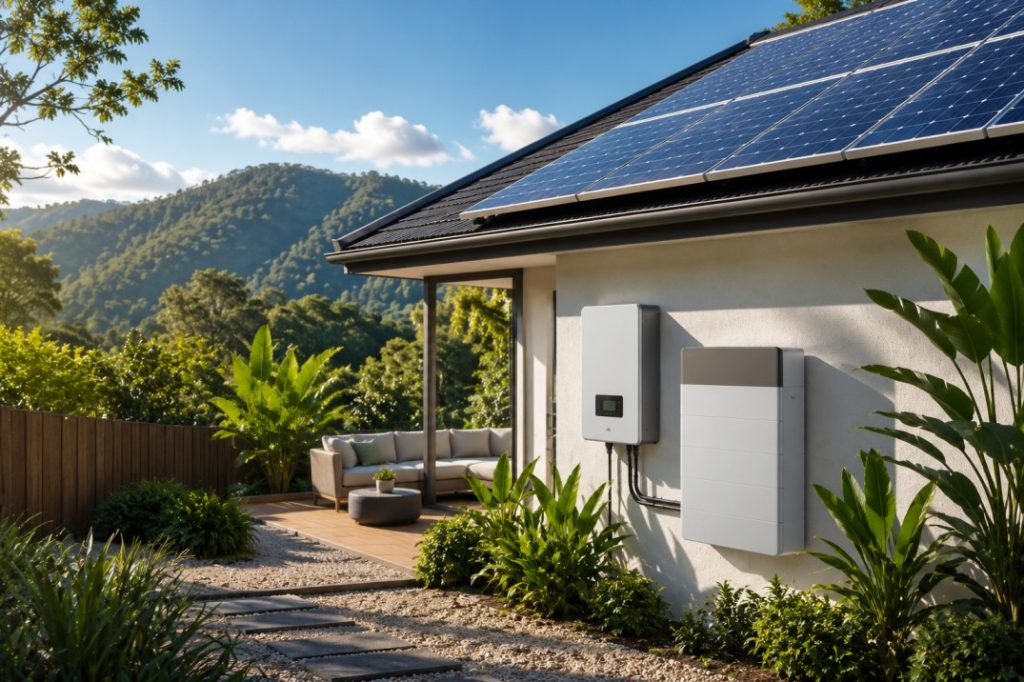
The U.S. power infrastructure 2025 and beyond faces new challenges, including the integration of smart grid technologies, renewable energy sources, and decentralized power generation. This shift means more sensitive electronics are being deployed in varied and less-than-ideal environments. For example, a small solar substation or a battery storage facility might be exposed to the elements, requiring a highly protected enclosure rather than an open rack.
Choosing between racks vs. enclosures is a strategic decision that balances upfront costs with long-term safety, reliability, and regulatory compliance. While racks may be cheaper initially, the cost of equipment failure due to environmental damage or a security breach can be exponentially higher. For any critical application within the power industry, an enclosure isn’t just a container; it’s a vital piece of the system’s design, guaranteeing that it can operate safely and efficiently for years to come.
Frequently Asked Questions (FAQ)
Q: What is the main difference between a rack and an enclosure?
A: A rack is an open-frame structure for mounting equipment in a controlled environment, prioritizing airflow and accessibility. An enclosure is a sealed cabinet that provides full-scale protection against environmental hazards like dust and water, making it suitable for outdoor or industrial use.
Q: What is a NEMA rating and why is it important for the power industry?
A: A NEMA rating certifies an enclosure’s ability to protect against various environmental threats. These ratings are essential for power industry enclosures to ensure the equipment is safe and compliant with U.S. power infrastructure safety standards, especially when deployed in harsh conditions like substations or manufacturing plants.
Q: How do enclosures provide thermal solutions?
A: Thermal solutions enclosures use various methods to manage heat, including passive heat sinks, ventilation fans, or active cooling systems like air conditioners. This is necessary because the sealed design, while great for protection, can trap heat, which could damage sensitive electronics.
Q: Why are specialized Electronics Enclosures necessary for new power grid technology?
A: As we integrate new technologies like smart grid sensors and battery storage systems into the grid, we often deploy them in more exposed, decentralized locations. Standard racks would leave them vulnerable to the elements and vandalism. Specialized, rugged enclosures are necessary to ensure the reliability and security of these critical systems.