
Mounting a television on the wall is a popular way to save space, create a sleek look, and enhance your viewing experience. However, the process involves more than just picking a spot and hanging the TV. Choosing the right bracket type is crucial for safety, stability, and optimal viewing angles. With so many options available, it can be overwhelming to decide which bracket best suits your needs.
This comprehensive guide will walk you through everything you need to know about TV wall brackets from understanding different types and their benefits to installation tips and safety considerations. Whether you’re upgrading your living room setup or mounting a TV in a bedroom or office, this article will help you make an informed decision.
Understanding the Importance of Choosing the Right TV Bracket
When it comes to mounting your TV, the bracket is the foundation of the entire setup. A poorly chosen or improperly installed bracket can lead to accidents, damage to your TV, or an uncomfortable viewing experience. Here’s why selecting the right bracket matters:
- Safety: The bracket must securely hold the weight of your TV and be compatible with your wall type to prevent falls.
- Viewing Comfort: Different brackets offer varying degrees of tilt and swivel, which can affect how comfortably you watch your TV.
- Space Optimization: Some brackets keep the TV flush against the wall, while others allow for extension and movement, helping you save space or adjust positioning.
- Aesthetic Appeal: The right bracket can help create a clean, modern look without bulky mounts or visible cables.
Understanding these factors will help you prioritize what features you need in a bracket and avoid common pitfalls.
Types of TV Wall Brackets: Which One Fits Your Needs?
TV wall brackets come in various designs, each offering different levels of flexibility and functionality. Here’s a detailed look at the most common types:
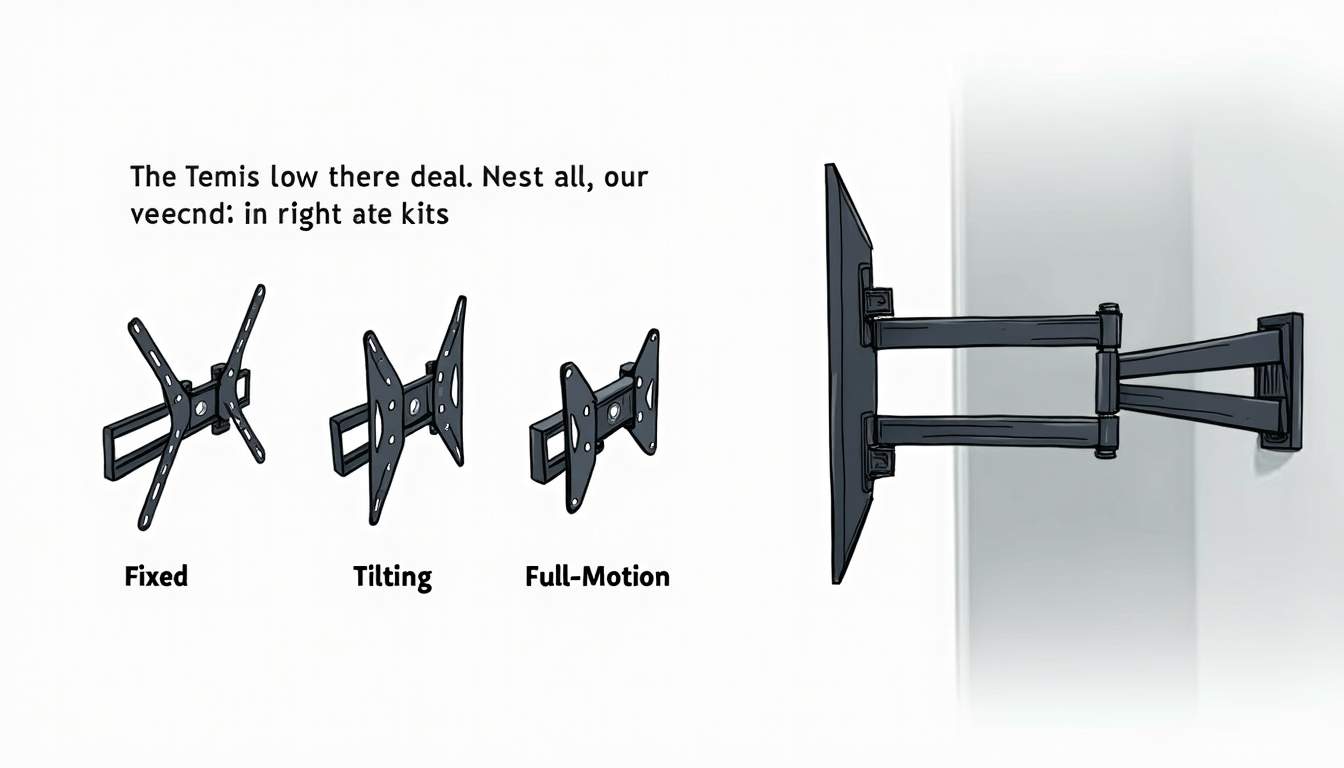
1. Fixed Brackets
Fixed brackets are the simplest and most affordable option. As the name suggests, they hold your TV flat against the wall without any movement. This type is ideal if you want a minimalistic setup and your viewing position is directly in front of the TV.
Because fixed brackets keep the TV close to the wall, they save space and provide a sleek profile. They are generally easier to install than more complex mounts. However, they don’t allow for tilting or swiveling, which can be a drawback if you need to adjust the viewing angle to reduce glare or accommodate different seating positions.
2. Tilting Brackets
Tilting brackets allow you to angle the TV vertically, usually up and down. This is especially useful if you mount your TV higher on the wall, such as above a fireplace, so you can tilt the screen downward for better viewing comfort.
These brackets typically offer a range of tilt angles, allowing you to reduce glare from windows or lights. They are a popular choice for bedrooms and living rooms where the TV is mounted above eye level. Installation is a bit more involved than fixed brackets but still manageable for most DIY enthusiasts.
3. Full-Motion (Articulating) Brackets
Full-motion brackets provide the greatest flexibility. They allow you to tilt, swivel, and extend the TV away from the wall. This means you can pull the TV out, angle it left or right, and tilt it up or down to find the perfect viewing position from anywhere in the room.
This type of bracket is ideal for rooms with multiple seating areas or where you want to reduce glare by adjusting the screen angle. They tend to be more expensive and require a sturdier wall to support the movement and weight. Installation can be more complex, so professional help might be advisable.
4. Ceiling Mounts
Ceiling mounts are less common but useful in rooms where wall mounting isn’t feasible, such as basements or rooms with limited wall space. These mounts hang the TV from the ceiling and often include tilt and swivel features.
While they offer flexibility, ceiling mounts require careful installation to ensure safety and stability. They are often used in commercial settings but can be adapted for home use with the right equipment and expertise.
5. Pop-Out and Swivel Brackets
These brackets combine some features of tilting and full-motion mounts but are generally designed to allow the TV to pop out from the wall and swivel side to side. They’re a good middle ground if you want some adjustability without the bulk of a full-motion bracket.
Pop-out brackets are great for corner mounting or rooms where you want to maximize viewing angles without a large extension arm. They are usually easier to install than full-motion mounts but offer less range of motion.
Key Factors to Consider When Choosing a TV Bracket
Beyond the type of bracket, several important factors will influence your choice. Taking these into account will ensure you get a bracket that fits your TV, wall, and lifestyle perfectly.
1. TV Size and Weight Compatibility
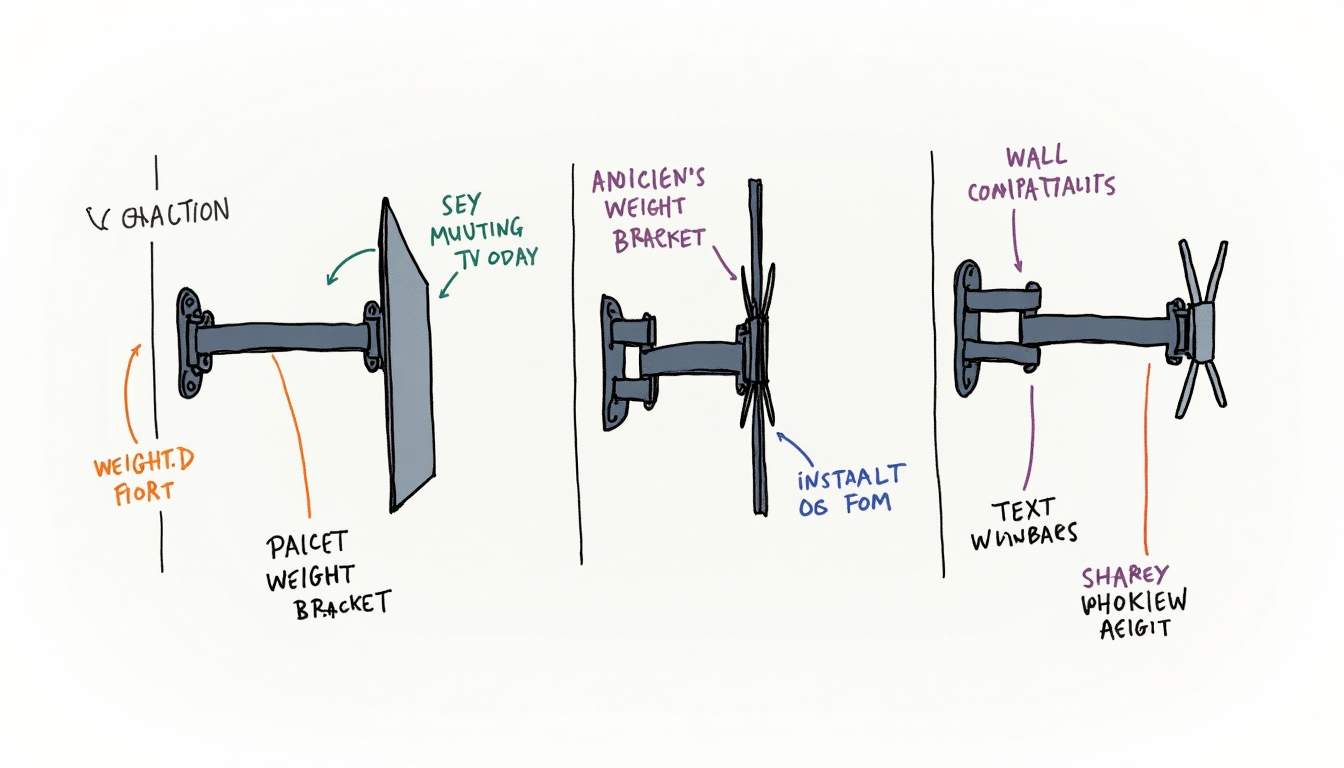
Every bracket has a maximum weight and size limit. It’s critical to check these specifications against your TV’s dimensions and weight. Using a bracket that isn’t rated for your TV can lead to dangerous failures.
Most manufacturers list compatible TV sizes and weight limits clearly. If your TV is on the heavier side, look for heavy-duty brackets designed for larger models. Conversely, smaller TVs can use lighter brackets, which might be less expensive and easier to install. For professional assistance, you can check out PS Handyman Singapore, whose handyman team can help with a wide range of installation, maintenance, and repair works within your home or business by visiting the following link: https://www.pshandymansingapore.com/
2. Wall Type and Mounting Surface
The type of wall you’re mounting on affects the choice of bracket and installation hardware. Common wall types include drywall with studs, concrete, brick, and plaster.
- Drywall with Studs: Most brackets require mounting directly into studs for stability. Use a stud finder to locate them.
- Concrete or Brick: Requires special anchors and masonry bits. Heavy-duty brackets are usually necessary.
- Plaster Walls: Can be fragile; mounting into studs or using additional support is essential.
Always use the appropriate anchors and screws for your wall type. If unsure, consult a professional to avoid damaging your walls or risking the TV falling.
3. Viewing Angle and Room Layout
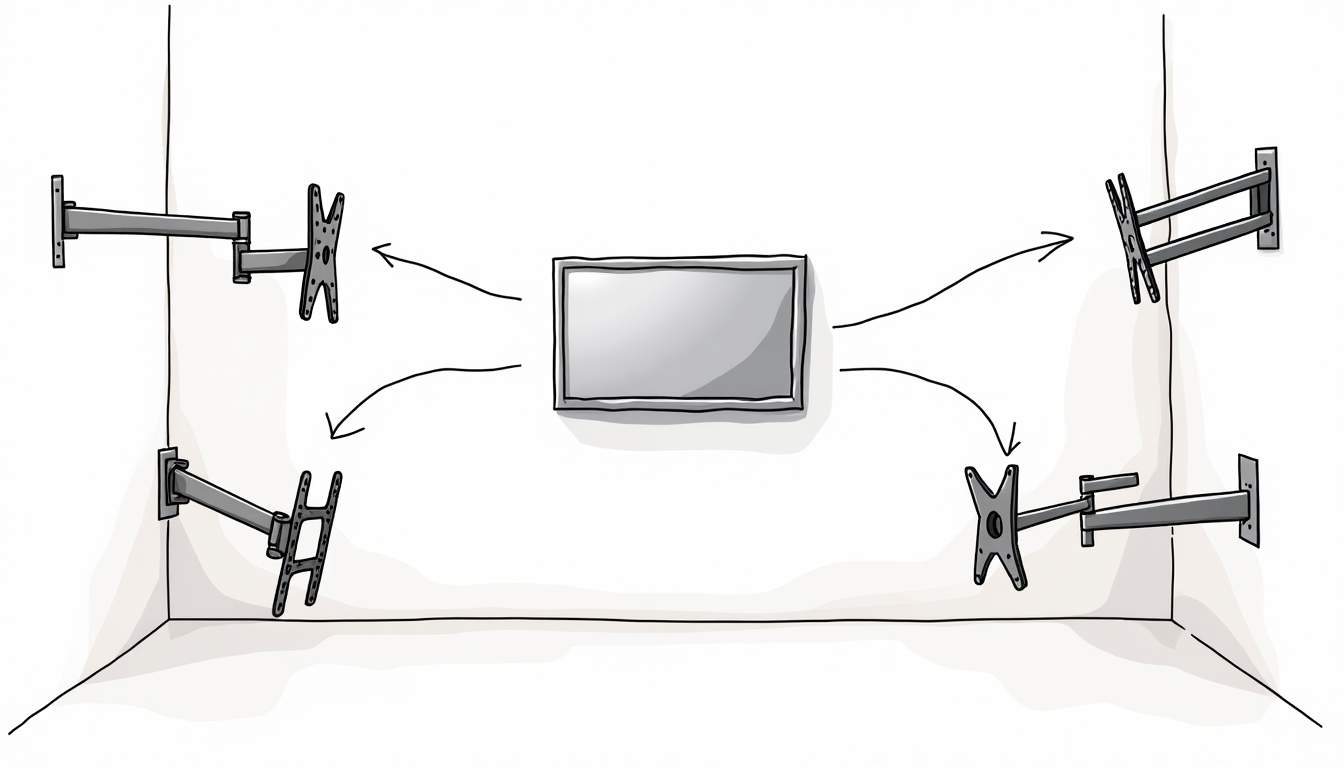
Consider where you’ll be sitting relative to the TV. If your seating is fixed and directly in front, a fixed or tilting bracket may suffice. For rooms with multiple seating areas or where the TV needs to be viewed from different angles, a full-motion or swivel bracket is better.
Also, think about glare from windows and lights. Brackets that allow tilting help reduce reflections and improve picture quality.
4. Cable Management Features
Some brackets come with built-in cable management systems that help hide wires and keep your setup tidy. This is a nice feature if you want a clean look without visible cables dangling down.
If cable management is important to you, look for brackets that include channels or clips for routing cables neatly behind the TV and along the wall.
5. Ease of Installation
While many brackets are marketed as easy to install, some require more tools and expertise than others. Fixed and tilting brackets are generally simpler, while full-motion and ceiling mounts can be more complex.
If you’re not comfortable with DIY projects or your wall type is challenging, hiring a professional installer is a wise investment to ensure safety and proper setup.
Installation Tips for a Safe and Secure TV Mount
Once you’ve chosen the right bracket, proper installation is key to safety and performance. Here are some tips to help you mount your TV securely:
1. Gather the Right Tools
Common tools needed include a stud finder, drill, level, screwdriver, tape measure, and possibly a masonry bit for concrete walls. Having the right tools on hand will make the installation smoother and more accurate.
2. Find and Mark Studs Accurately
For drywall installations, use a stud finder to locate studs and mark their edges. Mounting the bracket into studs ensures the TV’s weight is supported properly. Avoid mounting into drywall alone, as it won’t hold the weight safely.
3. Use the Correct Hardware
Use the screws and anchors provided with the bracket or recommended by the manufacturer. For concrete or brick walls, use masonry anchors and screws designed for heavy loads.
4. Level the Bracket Before Mounting
Use a level to ensure the bracket is perfectly horizontal before securing it to the wall. An unlevel mount can affect viewing comfort and may place uneven stress on the bracket.
5. Double-Check Weight Limits and TV Compatibility
Before hanging the TV, confirm that the bracket is rated for your TV’s size and weight. Securely attach the mounting plate to the TV according to the instructions.
6. Get Help When Lifting the TV
TVs can be heavy and awkward to handle. Enlist a friend or family member to help lift and attach the TV to the bracket safely.
7. Test Stability and Adjustments
After mounting, gently test the TV’s stability and make any necessary angle adjustments. Ensure all screws and bolts are tight.
Common Mistakes to Avoid When Choosing and Installing TV Brackets
Even experienced DIYers can make mistakes that compromise safety or functionality. Here are some common pitfalls to watch out for:
- Ignoring Weight Limits: Using a bracket not rated for your TV’s weight can cause it to fall.
- Mounting on Drywall Alone: Always anchor into studs or use appropriate anchors for masonry walls.
- Choosing the Wrong Bracket Type: Not considering viewing angles or room layout can lead to poor viewing experiences.
- Poor Cable Management: Leaving cables hanging can look messy and create hazards.
- Skipping the Level: An unlevel mount affects aesthetics and can strain the bracket.
- Attempting Installation Alone: Heavy TVs require at least two people for safe mounting.
Final Thoughts
Mounting your TV on the wall is a fantastic way to enhance your space and viewing experience, but it requires careful planning and the right equipment. By understanding the different types of brackets and considering factors such as TV size, wall type, viewing angles, and installation complexity, you can select a bracket that ensures safety and functionality.
Remember, when in doubt, consulting with professionals or experienced installers can save you time, money, and potential hazards. A properly mounted TV not only looks great but also offers peace of mind, knowing it’s securely and safely installed.
With the right bracket and careful installation, your TV will be the centerpiece of your room for years to come.
