
When it comes to essential home maintenance, few systems are more critical — yet more often overlooked — than your septic system. Out of sight and often out of mind, a well-functioning septic tank ensures your household waste is processed safely and efficiently. However, neglecting this system can lead to costly repairs, environmental hazards, and even health risks. That’s where a professional septic tank service becomes crucial.
In this guide, we’ll explore everything homeowners need to know about maintaining a septic system, signs of trouble, the benefits of regular service, and how to choose the right service provider.
What Is a Septic Tank and How Does It Work?
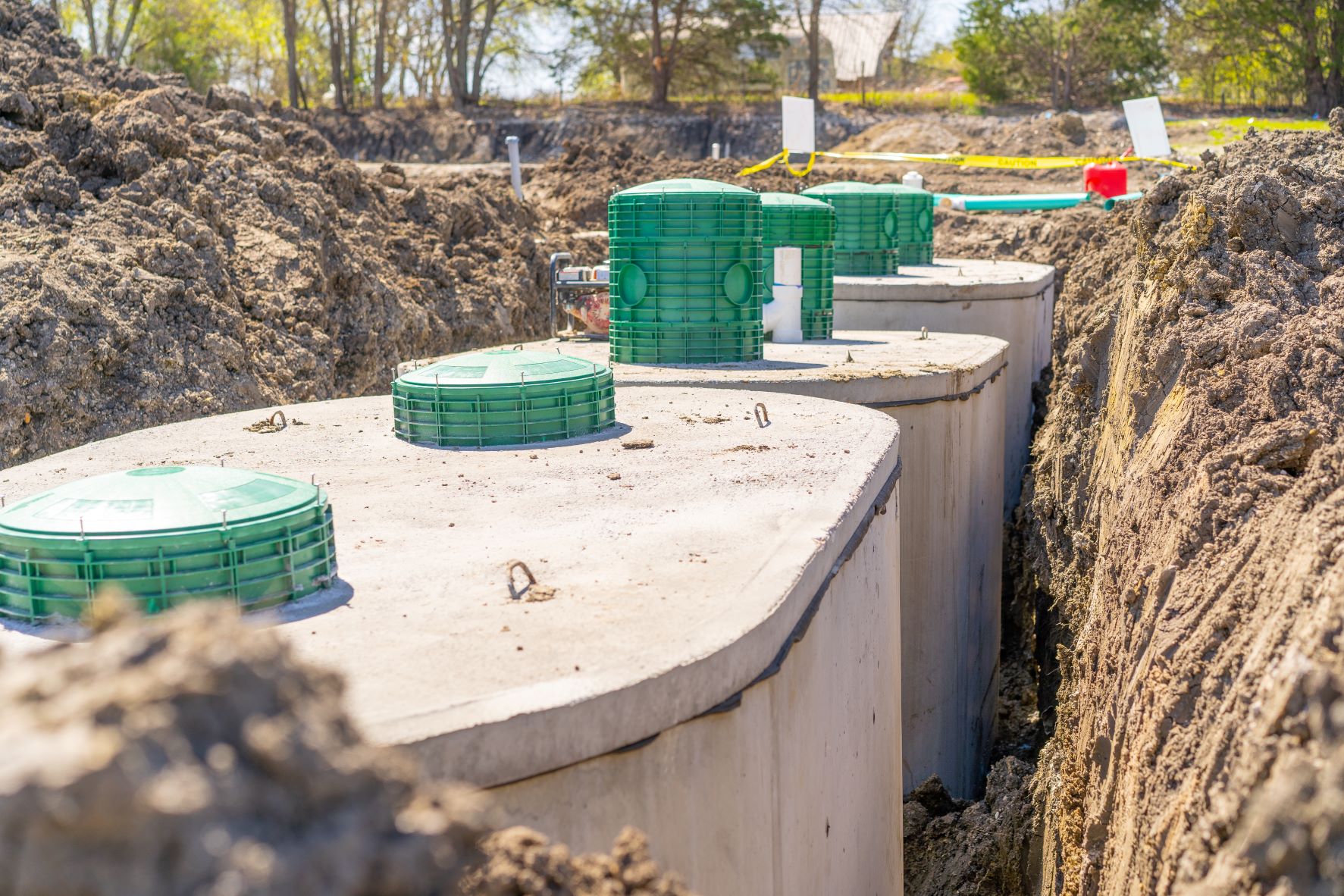
A septic tank is an underground wastewater treatment structure commonly used in homes that are not connected to a municipal sewer system. It typically consists of two main components: the tank and the drain field.
Wastewater from your home flows into the tank, where solids settle to the bottom and scum floats to the top. Bacteria in the tank help break down the waste. The clarified liquid then flows out to the drain field for further natural filtration through the soil.
While it’s a relatively self-sufficient system, it’s not maintenance-free. Over time, solids build up and can cause blockages or system failure if not periodically removed.
Why Septic Tank Service Is Important
A regular septic tank service helps ensure that your system runs smoothly and efficiently. Here’s why it’s essential:
1. Prevents Costly Repairs
Routine maintenance helps identify potential problems before they escalate. Replacing or repairing a failed septic system can cost thousands of dollars, far more than regular servicing.
2. Protects Health and the Environment
A failing system can leak untreated wastewater into the soil and nearby water sources, posing serious health risks and contaminating drinking water.
3. Increases System Longevity
With proper care and regular pumping, a septic system can last 25 to 30 years or more. Neglect can cut that lifespan dramatically.
4. Supports Property Value
A functioning septic system is vital to the marketability of a home, especially in rural areas. An overfull or malfunctioning tank can become a dealbreaker during property inspections.
How Often Should You Service Your Septic Tank?
The general recommendation is to pump your septic tank every 3 to 5 years. However, this can vary based on several factors:
-
Household size: More people means more wastewater.
-
Tank size: Larger tanks hold more but still require regular pumping.
-
Water usage habits: High water usage (long showers, frequent laundry) puts extra strain on the system.
-
Garbage disposal use: This can increase the amount of solid waste entering the tank.
Your local septic service professional can help assess the right schedule for your specific situation.
Signs Your Septic Tank Needs Servicing
Don’t wait for an emergency to realize something’s wrong. Watch for these warning signs that your tank may be overdue for service:
-
Slow drains in sinks, tubs, or showers
-
Gurgling sounds from plumbing
-
Sewage odors around the yard or inside the home
-
Standing water or lush, green grass over the drain field
-
Sewage backup into the house — a clear emergency requiring immediate action
If you notice any of these, contact a septic professional as soon as possible.
What Happens During a Septic Tank Service?
Understanding what to expect during a routine service visit can help demystify the process. Here’s a breakdown:
-
Inspection: The technician checks for leaks and examines scum and sludge layers to determine if pumping is needed.
-
Pumping: If needed, the tank is pumped using a vacuum truck. This removes all solids and liquid from the tank.
-
Cleaning: The tank is thoroughly rinsed and any stubborn buildup is removed.
-
Documentation: A report is often provided detailing the condition of the tank and recommendations for next steps.
You may also receive advice on improving system health, such as adjusting water use or avoiding harmful products.
Choosing the Right Septic Tank Service Provider
Not all septic companies are created equal. When selecting a provider, look for the following:
-
Licensing and Certification: Ensure they’re properly accredited in your state or region.
-
Experience: A company with years in the business is more likely to diagnose and resolve complex issues effectively.
-
Transparent Pricing: Ask for upfront quotes and ensure there are no hidden fees.
-
Customer Reviews: Online reviews and word-of-mouth recommendations can provide insight into reliability and quality.
-
Emergency Services: Choose a provider who offers 24/7 emergency support in case of a crisis.
Don’t hesitate to ask questions — a reputable provider will be happy to explain their process and answer your concerns.
How to Maintain a Healthy Septic System
Beyond professional servicing, there are many things homeowners can do to keep their system healthy:
-
Limit water usage: Install low-flow fixtures and spread out laundry loads to reduce strain.
-
Avoid flushing non-biodegradables: Items like wipes, diapers, and feminine hygiene products can clog the system.
-
Use septic-safe products: Harsh chemicals can kill the bacteria that break down waste.
-
Don’t park or build over the drain field: This can compact soil and damage pipes.
-
Divert rainwater: Excess surface water can overload the system.
Simple lifestyle changes go a long way toward preserving the functionality of your septic system.
Environmental Impact of Neglecting Septic Systems
Poorly maintained systems can have broader consequences beyond your backyard. Untreated wastewater contains nitrogen, phosphorus, and harmful pathogens that can seep into nearby water bodies, harming aquatic life and degrading water quality. This pollution can contribute to algae blooms, which suffocate marine ecosystems.
By maintaining your septic tank, you’re not just protecting your property — you’re playing a role in preserving the environment.
Final Thoughts
Whether you’ve lived in your home for years or are a new homeowner, understanding and prioritizing your septic system is key to avoiding unpleasant — and expensive — surprises. Regular septic tank service is an investment in your home’s value, your family’s health, and the local environment.
Don’t wait until a problem arises. Contact a trusted service provider today and schedule your next inspection or pumping. Your septic system may be underground, but its importance runs deep.
