
As winter fades and the first signs of spring appear, many homeowners are eager to revive their outdoor spaces. From prepping flower beds to tidying up the lawn, one of the most important seasonal tasks is reactivating the irrigation system. But before you rush to turn the water back on, it’s essential to understand the steps involved in doing so safely and effectively. Neglecting these steps could result in damaged pipes, wasted water, and costly repairs.
Here’s what every homeowner should know before reactivating their residential irrigation system, ensuring that everything runs smoothly from day one.
1. Evaluate the System After the Off-Season
Before reintroducing water to your irrigation lines, perform a thorough inspection of the entire system. During the winter months, even with precautions in place, freezing temperatures can cause components to crack, shift, or loosen. Start with a walk-around inspection:
-
Look for exposed pipes that might have moved or become damaged.
-
Inspect valve boxes for water, pests, or debris.
-
Check that all sprinkler heads are intact, upright, and free of mud, leaves, or grass overgrowth.
Catching minor issues now can prevent major headaches later.
2. Timing Is Everything
While it’s tempting to start watering as soon as the weather warms up, doing so too early can risk damage from late-season frosts. It’s best to wait until the ground has fully thawed—typically when soil temperatures stay consistently above 40°F. Reintroducing water to frozen or semi-frozen pipes can lead to breaks or leaks underground that aren’t immediately visible.
3. The Right Way to Handle a Sprinkler Start Up
One of the most common causes of irrigation system damage in spring is a rushed or improper sprinkler start up. Simply turning on the main water valve all at once can create a surge of pressure that stresses or cracks pipes, valves, or fittings.
Instead, open the system’s main water valve slowly to allow the lines to fill gradually. This prevents water hammering and gives you time to monitor the system zone by zone. Activate each irrigation zone manually to ensure water is flowing properly and that there are no odd noises, weak pressure, or non-functioning heads.
Pay attention to:
-
Uneven spray patterns
-
Gurgling sounds (air in the line)
-
Leaks near valves or heads
If you’re unsure, this is a great time to have a licensed irrigation technician perform a system check-up.
4. Don’t Forget to Reset the Controller
Once the water is flowing and all zones are functioning, it’s time to reset your irrigation controller. If you unplugged or turned off the system over winter, the timer may have lost its settings. Make sure to:
-
Update the date and time
-
Reprogram watering schedules to suit spring conditions
-
Enable or test your rain sensor if your system includes one
Many homeowners are switching to smart controllers, which adapt watering schedules based on weather forecasts, soil moisture, and seasonal changes—making the process more efficient and eco-friendly.
5. Why You Must Inspect the Backflow Preventer
The backflow preventer is a crucial safety component in your irrigation system. It ensures that contaminated irrigation water doesn’t flow backward into your home’s clean water supply. In some areas, backflow testing is even required by local municipalities before seasonal activation.
Before turning the water on completely, inspect the backflow preventer for visible damage, leaks, or broken seals. If it was removed or partially disassembled for winterization, reattach it according to the manufacturer’s specifications. After the system is fully operational, a certified backflow test may be required to ensure everything is functioning correctly.

6. Reflect on the Importance of a Proper Sprinkler Blowout
While this might seem like a concern for the end of the season, it’s worth remembering now how critical your last sprinkler blowout was in preventing damage. A sprinkler blowout involves using compressed air to push any remaining water out of the irrigation lines before the first freeze. Systems that don’t undergo this process often suffer from cracked pipes and broken heads caused by frozen water expanding inside the lines.
If you noticed issues this spring—such as cracked pipes, non-working zones, or burst sprinkler heads—it could be a sign your previous blowout wasn’t thorough enough. As you prepare to reactivate your system, make a mental note to schedule a professional blowout this coming fall to avoid repeat problems next year.
7. Monitor for Leaks and Inefficiencies in the First Week
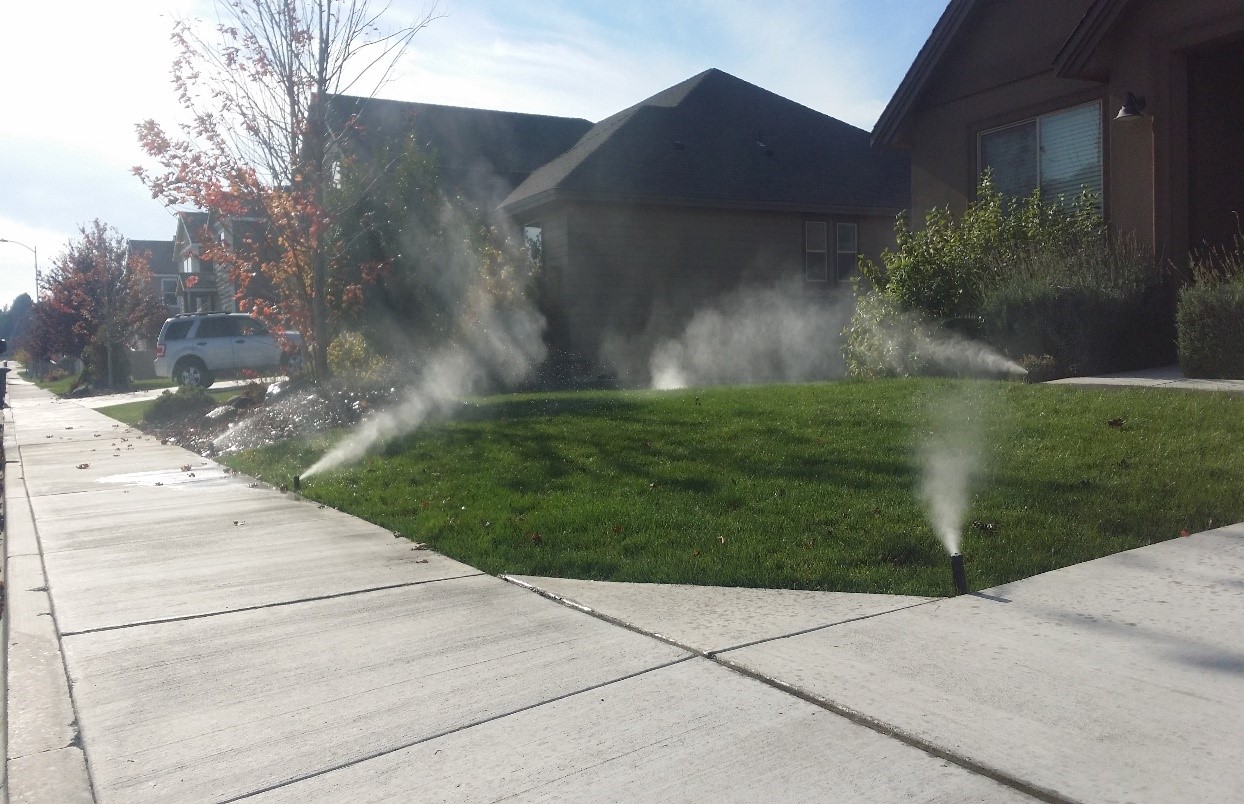
After reactivation, don’t assume everything is fine and forget about it. Spend the first week observing your system’s behavior. Run each zone during daylight hours so you can monitor how efficiently the system waters your landscape. Look out for:
-
Water pooling in low spots
-
Dry areas that remain untouched
-
Bubbling or spurting around heads (indicating underground leaks)
An irrigation system that isn’t working at peak performance can waste thousands of gallons of water during the season—and increase your utility bills.
8. Know When to Call a Pro
While many homeowners feel comfortable doing a basic start-up, there’s no shame in hiring a professional. Licensed irrigation specialists have the tools and experience to identify hidden issues, repair them on the spot, and optimize your system for seasonal conditions. If you notice signs of deeper issues or simply want peace of mind, an expert visit is a worthwhile investment.
Conclusion
Turning the water back on each spring isn’t just about convenience—it’s about protecting your irrigation investment and ensuring your lawn and garden thrive through the growing season. From a cautious sprinkler start up to remembering the vital role of the sprinkler blowout, every step matters.
