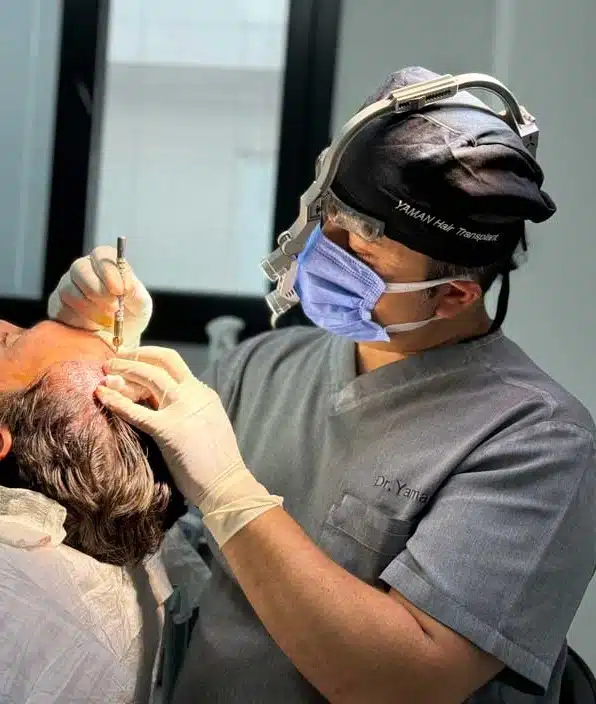
Otoplasty is a cosmetic procedure designed to reshape, reposition, or resize the ears for improved facial balance. Many individuals consider this surgery to correct protruding or asymmetrical ears, boost confidence, or restore harmony to their overall appearance. But what if your ear cartilage is naturally thin? Is this surgery still a safe and effective option?For those seeking professional guidance and treatment, Otoplasty in Dubai offers modern techniques and tailored approaches, ensuring patient safety and satisfaction even in cases involving delicate ear cartilage.
Understanding Thin Ear Cartilage
Ear cartilage is a flexible connective tissue that provides shape and support to the external ear. Some individuals naturally have thin or soft cartilage, making the ears more pliable and sometimes more prone to structural changes.
When planning otoplasty for patients with thin cartilage, surgeons must consider:
| Factor | Importance in Otoplasty |
|---|---|
| Cartilage Flexibility | Determines how well the ear can hold a new shape. |
| Strength & Resilience | Ensures stability post-surgery. |
| Skin Thickness & Elasticity | Impacts healing and final appearance. |
| Surgical Technique Selection | Must match the patient’s cartilage quality. |
Safety of Otoplasty for Thin Ear Cartilage
The safety of otoplasty in individuals with thin cartilage largely depends on surgical expertise and careful planning. Modern cosmetic surgery has evolved to handle delicate cases with precision. The procedure remains safe when performed under the right conditions and by highly trained specialists.
Key factors ensuring safety include:
-
Detailed Pre-Surgical Assessment – Surgeons evaluate cartilage thickness, ear shape, and skin elasticity.
-
Customized Surgical Techniques – Suture techniques or cartilage-sparing approaches reduce pressure on thin areas.
-
Supportive Sutures and Reinforcement – Provides additional strength to maintain ear shape without stressing the cartilage.
-
Controlled Healing Environment – Proper aftercare ensures stability during the recovery phase.
Modern Techniques That Benefit Thin Cartilage Patients
Surgeons today have multiple ways to safely perform otoplasty while respecting delicate cartilage conditions. These may include:
| Technique | Benefit for Thin Cartilage |
|---|---|
| Cartilage Scoring | Gentle reshaping without full cutting, preserving structure. |
| Suture-Only Otoplasty | Uses permanent sutures to reshape ears without cartilage removal. |
| Reinforcement Grafts | Adds subtle support if the cartilage lacks rigidity. |
| Minimally Invasive Approaches | Less tissue trauma, better healing for sensitive cartilage. |
Expected Results for Patients With Thin Cartilage
Patients with thin ear cartilage often worry whether their results will last. In experienced hands, the aesthetic improvements can remain stable for years. The surgical plan typically incorporates strategies that provide reinforcement and symmetry, minimizing the risk of cartilage bending or shifting later.
Patients usually experience:
-
Improved ear position closer to the head
-
Enhanced symmetry
-
Softer, natural contours that blend with facial proportions
-
Long-term stability when reinforced properly
Why Choose Dynamic Life Clinics for Otoplasty?
At Dynamic Life Clinics, our surgeons combine advanced surgical methods, extensive experience, and a deep understanding of ear anatomy to provide the highest level of safety and artistry.
-
Competency & Specialization – Our cosmetic surgeons are trained in reconstructive and aesthetic ear surgery, with years of dedicated practice in otoplasty.
-
Experience & Expertise – We have successfully treated numerous cases, including those involving delicate and thin ear cartilage, with consistently excellent outcomes.
-
Authoritativeness & Trustworthiness – Patients trust us for our evidence-based approach, transparent communication, and personalized care. Every decision is made to prioritize natural results, patient safety, and lasting satisfaction.
FAQ’s:
Q1. Can thin ear cartilage affect the outcome of otoplasty?
Yes, the quality of cartilage can influence how the ears hold their new shape. However, with specialized surgical planning, lasting and natural-looking results are still achievable.
Q2. Is otoplasty painful if I have softer ear cartilage?
Most patients experience only mild discomfort regardless of cartilage thickness, as modern anesthesia and gentle techniques minimize discomfort.
Q3. Will I need additional reinforcement during surgery?
Some patients with thinner cartilage may benefit from supportive sutures or grafts to enhance stability, which your surgeon will discuss during consultation.
Q4. How long does recovery take for patients with thin cartilage?
Recovery timelines are generally similar to standard otoplasty—usually a few weeks for initial healing and several months for the ears to settle fully.
Q5. Is otoplasty safe for both adults and children with thin cartilage?
Yes, otoplasty can be safely performed on both children and adults, provided the cartilage is stable enough and a specialized surgeon evaluates the case carefully.
Conclusion
Otoplasty remains a safe and effective option for individuals with thin ear cartilage when performed by experienced surgeons. The key lies in personalized surgical planning, modern techniques, and expert care. Patients can achieve beautifully balanced ears, improved confidence, and long-lasting results without compromising safety.For those considering the procedure, consulting a trusted, skilled clinic is essential. At Dynamic Life Clinic, we take pride in delivering advanced otoplasty solutions designed to meet each patient’s unique needs—helping them achieve natural harmony with confidence and peace of mind.