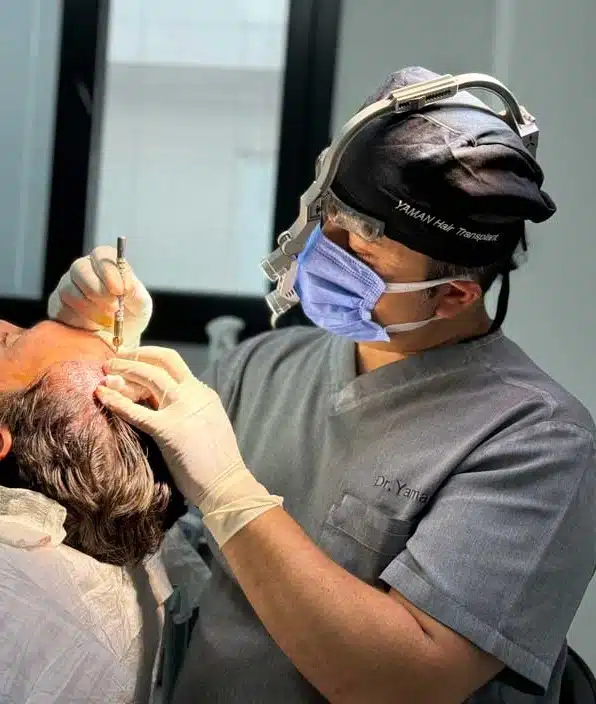
As we age, our skin naturally loses elasticity and firmness, leading to wrinkles, sagging, and other signs of aging. For those seeking a more youthful appearance, skin tightening procedures have become increasingly popular. However, the options can be broadly divided into surgical and non-surgical treatments, each with its own set of benefits, considerations, and results. Understanding the differences between these approaches can help you make an informed decision about which path is best for you.
What Is Surgical Skin Tightening?
Surgical skin tightening refers to procedures that require incisions, anesthesia, and recovery time. The most well-known surgical method is the traditional facelift, although other procedures like neck lifts, brow lifts, and body lifts also fall under this category. These procedures physically remove excess skin and, in some cases, tighten the underlying muscles to restore a firmer, more youthful appearance.
One of the primary benefits of surgical skin tightening is the dramatic and long-lasting results. Because excess skin is removed and tissue is repositioned, patients can see a noticeable change immediately after recovery. Surgical procedures can also address more advanced signs of aging that non-surgical methods may not fully correct.
However, surgery comes with inherent risks. Complications such as infection, scarring, or adverse reactions to anesthesia are possibilities. Additionally, the recovery period can be significant, often requiring several weeks before normal activities can resume. The cost of surgical procedures is also considerably higher than non-surgical alternatives, making it less accessible for some individuals.
What Is Non-Surgical Skin Tightening?
Non-surgical skin tightening, as the name implies, does not involve incisions or anesthesia. Instead, it uses technologies such as radiofrequency, ultrasound, or laser treatments to stimulate collagen production and tighten the skin. Treatments like these are typically performed in a clinical setting and require minimal downtime.
One of the key advantages of non-surgical options is convenience. Most sessions last less than an hour, and patients can usually return to their daily routines immediately. These treatments are also generally more affordable than surgery and carry fewer risks. Non-surgical procedures are ideal for individuals who have mild to moderate skin laxity and want to improve the appearance of their skin without undergoing invasive surgery.
A popular non-surgical method gaining attention in cosmetic medicine is endolifting, a minimally invasive laser procedure that stimulates collagen and tightens the skin from within. Many people in regions like endolifting miami are turning to endolifting for its ability to deliver noticeable results with minimal downtime and reduced risk compared to traditional surgery.
Comparing Results
One of the most significant differences between surgical and non-surgical skin tightening is the extent of results. Surgical procedures typically produce dramatic, long-lasting improvements. Patients often see a full transformation that can last several years, depending on age, lifestyle, and skin quality.
Non-surgical treatments, while effective, tend to produce more subtle changes. The results build gradually over multiple sessions as collagen production increases. Maintenance treatments may also be necessary to sustain the effects. While the improvements may not be as pronounced as surgery, they can still significantly enhance the skin’s appearance and are often sufficient for those with early signs of aging.
Downtime and Recovery
Recovery time is another critical factor when choosing between surgical and non-surgical skin tightening. Surgical procedures require careful post-operative care. Swelling, bruising, and discomfort are common, and patients may need to take time off work or social activities. In some cases, additional follow-up visits or minor touch-ups may be required.
Non-surgical treatments, by contrast, have minimal downtime. Patients may experience temporary redness, mild swelling, or tingling sensations, but these effects usually resolve within a few hours to a couple of days. The low-impact nature of these procedures allows individuals to maintain their busy schedules without significant disruption.
Safety Considerations
Safety is always a consideration when it comes to cosmetic treatments. Surgical procedures, while highly effective, carry risks associated with anesthesia, infection, and scarring. Choosing a board-certified surgeon with extensive experience can help mitigate these risks, but they cannot be eliminated entirely.
Non-surgical methods are generally considered safer due to their minimally invasive nature. However, the effectiveness and safety of these treatments depend on the technology used and the practitioner’s expertise. Procedures like endolifting are performed using advanced laser systems, which, when handled by trained professionals, provide a safe and controlled approach to skin tightening.
Cost Differences
Cost is another factor that often influences the decision between surgical and non-surgical procedures. Surgical skin tightening is a significant investment, often ranging from several thousand to tens of thousands of dollars depending on the complexity of the procedure and geographic location.
Non-surgical treatments are generally more affordable, with individual sessions costing a fraction of what surgery would. However, multiple sessions may be required, and maintenance treatments can add to the overall cost over time. While the initial expense is lower, patients should consider the long-term commitment required to maintain results.
Suitability and Individual Goals
The choice between surgical and non-surgical skin tightening largely depends on individual goals, the degree of skin laxity, and personal preferences. Surgical procedures are better suited for individuals with significant sagging, deep wrinkles, or extensive skin laxity. Those seeking a dramatic, long-term transformation may find surgery to be the most effective solution.
Non-surgical options, on the other hand, are ideal for individuals with mild to moderate concerns who prefer a less invasive approach. They appeal to those who want to enhance their appearance without the downtime and risks associated with surgery. Additionally, non-surgical treatments can serve as a complementary approach to surgical procedures, helping to maintain or enhance results over time.
Combination Approaches
In some cases, combining surgical and non-surgical treatments can provide the best results. For example, a patient might undergo a facelift to address severe sagging and then use non-surgical treatments like laser therapy or endolifting in Miami to refine the skin’s texture and maintain firmness over time. This hybrid approach allows for both dramatic and gradual improvements, optimizing overall outcomes.
Making the Decision
Ultimately, the choice between surgical and non-surgical skin tightening comes down to individual needs, expectations, and lifestyle considerations. Consulting with a qualified cosmetic professional is essential. During a consultation, a practitioner can evaluate skin condition, discuss desired outcomes, and recommend the most suitable options.
Patients should also consider factors such as recovery time, cost, potential risks, and long-term maintenance when making a decision. Understanding the differences between these approaches can empower individuals to choose a treatment plan that aligns with their goals and provides the best possible results.
Conclusion
Both surgical and non-surgical skin tightening options have their merits. Surgery offers dramatic, long-lasting results but comes with higher risk, cost, and recovery time. Non-surgical treatments provide a safer, less invasive alternative with minimal downtime, although results are typically more subtle and may require ongoing maintenance.
Innovative procedures like endolifting in Miami are bridging the gap between these two approaches, offering effective skin tightening with reduced risk and downtime. By understanding the differences and evaluating personal goals, individuals can make an informed choice and take a confident step toward rejuvenating their appearance.