In the fast-evolving world of software development, automation and testing have become inseparable partners. Automation promises speed, efficiency, and the ability to handle repetitive tasks tirelessly. It’s no surprise that many teams are heavily investing in automated testing to boost productivity and accelerate release cycles. But amid this enthusiasm, a crucial question remains:
Can automation in testing truly replace human insight?
While automation offers undeniable advantages, the answer is more nuanced than a simple yes or no. Understanding where automation excels—and where human intuition remains irreplaceable—is essential for building an effective quality assurance strategy.
The Rise of Automation in Testing
Automation in software testing has revolutionized how teams approach quality assurance. Automated tests run faster than manual testing, execute repeatedly without fatigue, and provide consistent results. They excel at verifying predictable, repeatable actions such as regression testing, smoke tests, and performance benchmarks.
Thanks to automation:
-
Teams can test more frequently and with greater coverage.
-
Early detection of bugs reduces costly downstream fixes.
-
Development cycles accelerate, enabling continuous integration and continuous delivery (CI/CD).
Many modern tools support automation across web, mobile, and API testing, making it easier than ever to incorporate automation into workflows.
Where Automation Shines
Automation’s greatest strength lies in handling high-volume, repetitive tasks that would be time-consuming and error-prone if done manually. Some of the areas where automation adds clear value include:
1. Regression Testing
Whenever new code is introduced, regression tests ensure existing functionality isn’t broken. Automated regression suites can run quickly and frequently, providing immediate feedback.
2. Load and Performance Testing
Automated scripts can simulate thousands of users or transactions to test system performance under stress, something manual testers simply can’t replicate at scale.
3. Cross-Browser and Cross-Device Testing
Automation frameworks can systematically run tests across multiple environments, ensuring compatibility without exhausting human testers.
4. Data-Driven Testing
Automated tests can easily cycle through multiple datasets, verifying how software behaves with different inputs.
The Limits of Automation
Despite these advantages, automation has significant limitations. It is built to follow instructions precisely and cannot think outside the script. This is where human insight comes in.
1. Understanding Context and User Behavior
Humans understand the nuances of user experience—something automation can’t grasp. Exploratory testing, where testers investigate an application to uncover unexpected issues, relies heavily on intuition and creativity.
2. Detecting Visual and UX Issues
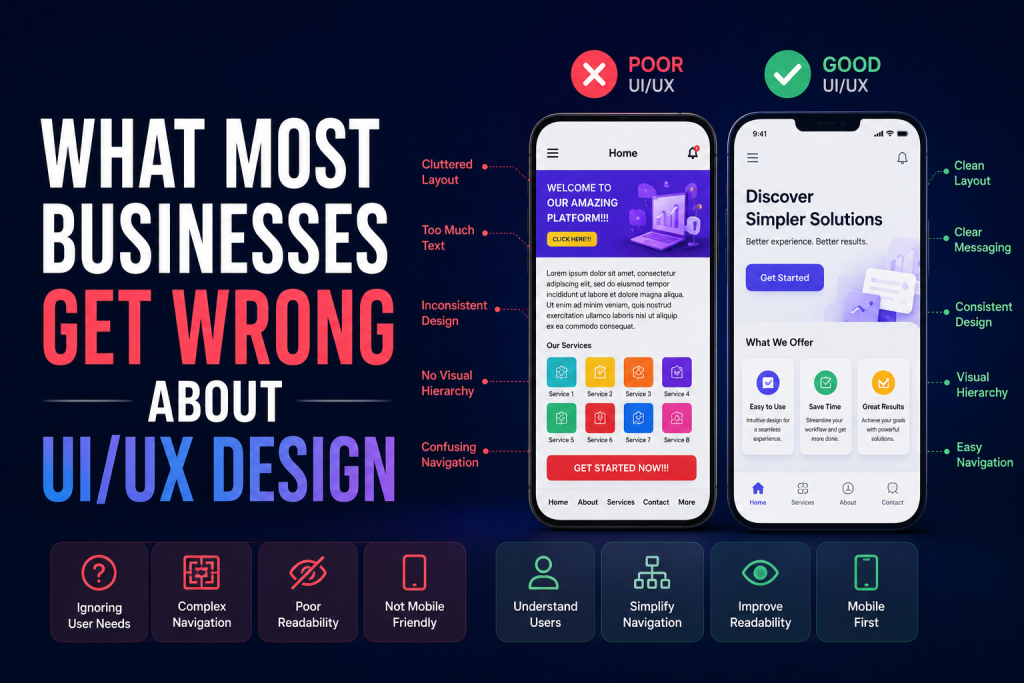
Automated tests may verify functionality but often miss subtle visual bugs or inconsistencies in UI/UX that impact user satisfaction.
3. Adapting to Change Quickly
Applications evolve rapidly, and automated scripts need constant updating to stay relevant. Human testers can quickly adjust their approach based on new requirements, whereas automation requires manual reprogramming.
4. Assessing Non-Functional Aspects
Factors like usability, accessibility, and emotional response require subjective assessment that only humans can provide.
Why Human Insight and Automation Must Coexist
The most effective testing strategies recognize that automation and testing are complementary, not competing forces. Automation frees humans from tedious, repetitive tasks, allowing them to focus on critical thinking, creative problem-solving, and user-focused evaluation.
By combining automation’s speed and scale with human judgment, teams can:
-
Improve test coverage without sacrificing depth.
-
Quickly catch regressions while also exploring new features in-depth.
-
Enhance overall product quality by balancing objective metrics with subjective assessment.
Building a Balanced QA Strategy
To maximize the benefits of both automation and human insight, consider the following best practices:
1. Define Clear Roles for Automation and Manual Testing
Automate predictable, repetitive tests—especially those critical for regression and performance. Reserve manual testing for exploratory, usability, and ad-hoc tests that require human judgment.
2. Invest in Skilled Testers
Skilled QA professionals who understand both automation tools and product nuances add tremendous value. Their insights help prioritize tests, design meaningful test cases, and interpret results effectively.
3. Keep Automation Suites Maintainable
Automation scripts need regular review and updates. Invest in modular, reusable test design to reduce maintenance overhead and increase adaptability.
4. Foster Collaboration Between Developers and Testers
Early involvement of testers in the development cycle promotes shared understanding of features and helps identify areas best suited for automation or manual testing.
The Role of Letest AI
At Letest AI, we believe in harnessing the power of automation without losing sight of human insight. Our platform blends intelligent automation with actionable analytics to support QA teams in making informed decisions. By automating routine tasks and providing deep visibility into test results, Letest AI empowers teams to focus on what humans do best: critical thinking and creative problem-solving.
Conclusion
While automation and testing have transformed software quality assurance, automation alone cannot replace human insight. Each brings unique strengths that, when combined thoughtfully, drive better, faster, and more reliable software releases.
To succeed in today’s competitive environment, organizations must strike the right balance—leveraging automation to accelerate testing while valuing the irreplaceable insights only human testers can provide.
After all, quality is not just about passing tests; it’s about understanding users, anticipating issues, and delivering exceptional experiences. That’s a challenge only humans and automation working together can truly meet.