
ENT surgery instruments play a critical role in improving patient outcomes by enabling precise diagnostics and advanced treatments. Designed specifically for conditions affecting the ear, nose, and throat, these tools are fundamental in both routine and complex procedures conducted by otolaryngologists. From outpatient procedures like sinus endoscopies to intricate surgeries such as cochlear implants, ent surgery instruments ensure accuracy and enhance efficiency. Understanding their applications and advancements offers valuable insights into the vital role they play in modern medicine.
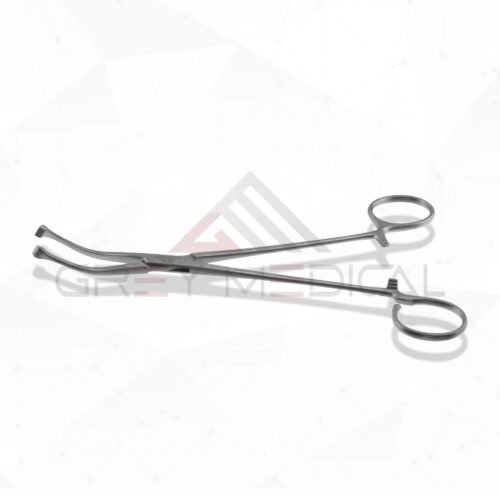
What Are ENT Surgery Instruments?
ENT surgery instruments are specialized tools designed specifically for ear, nose, and throat treatments. These instruments are highly crafted to meet the precision required for the sensitive anatomy of the head and neck region. Their design prioritizes ergonomic efficiency and optimal performance, whether for enhancing visibility, manipulating delicate tissues, or ensuring minimal trauma during procedures.
They include a wide range of devices, from handheld basics like forceps and scalpels to advanced equipment such as surgical microscopes and lasers. The diversity of these instruments reflects the wide variety of conditions otolaryngologists treat, including hearing loss, nasal congestion, sleep apnea, and throat infections.
Categories of ENT Surgery Instruments
Instruments for Ear Surgery
ENT professionals rely heavily on ear surgery instruments to diagnose and treat auditory disorders. Otoscopes are used for examining the ear canal and eardrum in detail, while ear speculums provide better access during cleaning or minor procedures. Surgical procedures like tympanoplasty or the insertion of ear tubes often require precision tools such as micro-forceps, hooks, and delicate scissors. Additionally, advancements in surgical microscopes and powered drills have simplified complex surgeries, including those involving the cochlea or middle ear bones.
Instruments for Nasal and Sinus Surgeries
When it comes to nasal and sinus care, the instruments must ensure minimal trauma to highly vascular structures while offering exceptional control. Speculums and nasal endoscopes allow physicians to visualize nasal cavities and detect issues like polyps or obstructions. For surgeries, instruments like suction tubes, microdebriders, and Blakesley forceps enable the effective removal of abnormal tissue. Modern innovations, such as balloon sinuplasty devices, have revolutionized nasal surgery by providing minimally invasive options for patients suffering from chronic sinusitis.
Instruments for Throat Procedures
Throat instruments cater to a variety of needs, from routine tonsillectomies to addressing vocal cord issues. Common examples include laryngoscopes, which provide an illuminated view of the voice box, and tongue depressors, vital for visibility during oral examinations. ENT specialists also use advanced instruments like pharyngoscopes and surgical lasers to treat intricate issues such as vocal nodules or obstructive sleep apnea.
Diagnostic Tools in ENT
Accurate diagnosis is the foundation of successful ENT treatment, and the tools in this category are pivotal. Audiometers are used extensively for hearing assessments. Nasopharyngoscopes, which combine optics and illumination, help examine the intricate pathways of the nose and throat. Increasingly, diagnostic methods incorporate cutting-edge technology like 3D imaging systems to give surgeons a comprehensive understanding of complex anatomical structures.
Innovations Shaping ENT Surgery Instruments
The evolution of ENT surgery instruments is closely tied to advancements in technology, pushing the boundaries of what otolaryngologists can achieve. For instance, the introduction of robotic surgery systems has enhanced precision during intricate procedures, reducing operative time and recovery periods. Similarly, the integration of fiber-optic illumination in scopes has improved visibility in narrow and dark anatomical spaces.
Laser technology, once considered groundbreaking, continues to evolve, offering targeted treatment for conditions such as cancerous growths. Additionally, smaller, more ergonomically designed tools are enabling surgeons to perform minimally invasive procedures with greater ease, reducing patient discomfort and downtime.
Why Quality Instruments Matter
The quality and design of ENT surgery instruments significantly impact their effectiveness and the overall safety of procedures. Inferior tools not only pose risks to patients but also hinder surgical outcomes by limiting control and precision. High-quality instruments, often made with surgical-grade stainless steel or titanium, ensure durability, sterility, and functionality, aiding seamless surgical interventions.
Healthcare providers and hospitals often prioritize suppliers known for producing reliable, innovative tools to ensure the best standards of care. This focus on quality is especially critical given the sensitivity of the regions treated in ear, nose, and throat healthcare.
Conclusion
ENT surgery instruments exemplify how precision engineering and medical science intersect to improve patient care. From enabling accurate diagnostics to ensuring minimally invasive treatment, these tools are indispensable in modern medicine.
For healthcare providers and patients alike, understanding the vital role of these instruments is essential, as it underscores the importance of investing in quality tools and adopting cutting-edge technologies. Whether you’re an aspiring surgeon, a healthcare investor, or simply curious about medical advancements, ENT surgery instruments showcase how modern innovation reshapes healthcare outcomes.
