
When a preventable injury happens to you or someone you love, medical records often become a key piece of the puzzle in holding healthcare providers accountable. These records can help demonstrate whether medical malpractice occurred and support your case if you decide to take legal action.
Medical records offer a detailed snapshot of your medical history and current health. They document everything from diagnoses and treatments to medications and the decisions made by your healthcare team. Somewhere in those records could be the evidence you need to show that something went wrong—and that it shouldn’t have.
In this article, we’ll take a closer look at why medical records matter so much in clinical negligence cases. We’ll also break down the four essential elements that need to be proven to establish a case for medical negligence.
What Your Medical Records Can Reveal in a Malpractice Case
Your medical records are more than just paperwork—they’re a detailed timeline of your care and can be a powerful resource in building your malpractice case. Both attorneys and medical experts often rely on the information found in these records to understand what happened and whether something went wrong.
Here are some of the key details your medical records might contain that could impact your case:
- The decisions your healthcare provider made, when they made them, and what information they used to reach those conclusions
- Clinical observations and findings noted throughout your treatment
- Treatment options that were discussed with you, including those you accepted or declined
- Prescribed medications, including dosages and timing
- Notes from physical exams
- Updates on your condition, follow-up visits, and progress reports
- Results from lab tests and imaging scans
- Readings and data from medical devices or monitoring equipment
- Input and reports from other medical professionals involved in your care
One of the most helpful aspects of medical records in a malpractice case is that they usually include time stamps and notes on who entered or approved each record. This level of detail can be vital when it comes to identifying errors and determining exactly when and where things may have gone wrong.
The Importance of Thorough Documentation
What makes medical records so powerful in malpractice cases is their detailed and consistent documentation. Every note, entry, and timestamp helps piece together the full picture of a patient’s care. Let’s take a closer look at how these records support each of the four key elements needed to prove clinical negligence.
1. Duty of Care
To show that a duty of care existed, you need to demonstrate that a formal relationship was established between the patient and the healthcare provider. Medical records help confirm this by showing appointment logs, consultations, and when treatment plans were started. These time-stamped records act as proof that care was being provided.
2. Breach of Duty
This is often the heart of a malpractice claim. Medical records can help reveal whether something was done incorrectly or not done at all. Legal teams and medical experts can review the records to spot any missteps, such as failure to follow standard procedures, medication errors, or a lack of proper monitoring. These details are essential in proving that the provider didn’t meet the expected standard of care.
3. Causation
Connecting the dots between a provider’s mistake and the harm a patient suffered can be tough, but medical records can make that link clearer. For example, if a patient’s health took a turn for the worse right after a particular treatment, the records can help trace that timeline and show how the error likely led to the injury.
4. Damages
Finally, the records provide crucial evidence of the toll the negligence took. They can document pain levels, complications, additional treatments, or lasting impacts like disabilities. This information helps establish how much the patient has suffered—physically, emotionally, and financially—and what kind of compensation may be warranted.
In the end, well-documented medical records are one of the strongest tools a patient has when seeking justice in a medical negligence case.
Finding Medical Evidence in Malpractice Cases
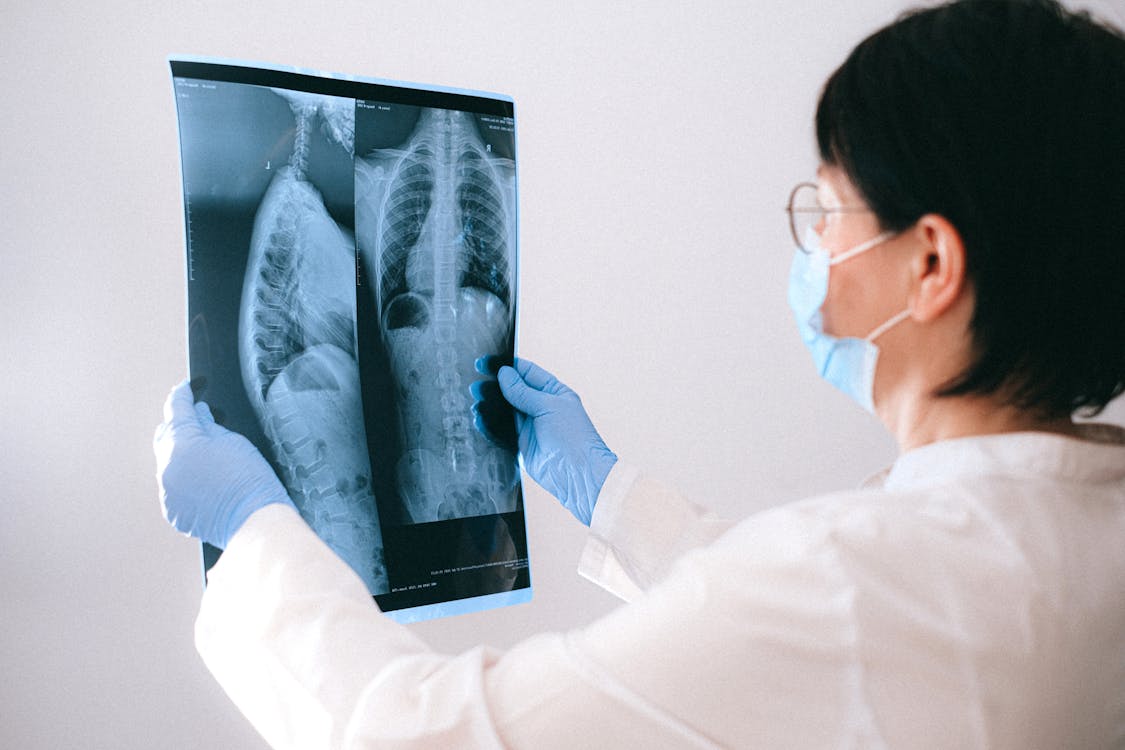
Once all of the necessary medical records are obtained, our experts carefully review the lot, looking for:
- Specifics on what brought you under the medical care of the healthcare provider
- Indications of how you were harmed and the extent of those damages
- Any signs that the records have been changed or are incomplete, or that there is information that should be included but is missing
In addition to the medical records, attorneys:
- Encourage individuals harmed by a negligent healthcare professional to undergo medical exams, as the findings may support the malpractice case
- Interview eyewitnesses
- Investigate how the harm occurred, to ensure that the appropriate liable party or parties are identified
A central coast lawyer can help you navigate the legal process while you recover from your injuries.
Uncovering Medical Evidence in a Malpractice Case
Once all relevant medical records are gathered, our team of experts takes a close look at the details. They search for key pieces of evidence that can help build a strong malpractice case, such as:
- Why did you seek medical care in the first place
- Clear signs of how you were harmed and the extent of your injuries
- Any red flags—like missing information or signs that records were altered
But we don’t stop at the paperwork. In addition to combing through your medical history, our attorneys take extra steps to strengthen your case:
- We recommend that you undergo an independent medical exam. The findings can help back up your claim and paint a clearer picture of how you were affected.
- We speak with witnesses who were present during your treatment and may have seen what went wrong.
- We dig into how the incident happened to ensure we’re holding the right people accountable.
If you’re dealing with the aftermath of medical negligence, working with a Central Coast lawyer can make the legal process much easier. While you focus on healing, we’ll focus on getting you the justice and support you deserve.
