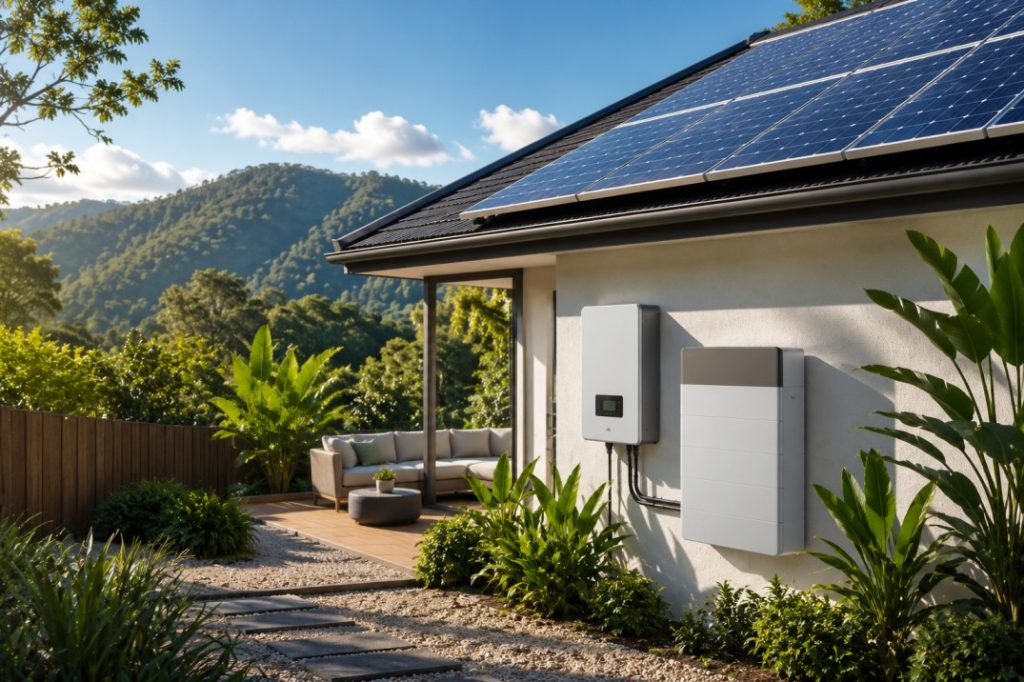
When your heating and cooling system starts breaking down, energy bills climb, or comfort levels drop, it may be time to consider HVAC Replacement. Replacing an outdated heating, ventilation, and air conditioning system is not just a technical upgrade—it’s a long-term investment in comfort, safety, health, and property value. This guide walks homeowners, landlords, and commercial property owners through everything they need to know before making the decision.
Understanding What HVAC Replacement Means
Many people assume replacing an HVAC unit simply means swapping old equipment for new equipment. In reality, it involves evaluating system compatibility, efficiency, duct condition, load requirements, and long-term operating cost.
A full replacement often includes:
-
New indoor air handler or furnace
-
New outdoor condenser or heat pump
-
Updated thermostat
-
Capacitors, wiring, and refrigerant upgrades
-
Optional duct redesign or sealing
This approach ensures your new system performs at maximum efficiency and complies with current safety codes.
When HVAC Replacement Becomes Necessary
Old HVAC units may continue running, but they often cause hidden costs. Here are common indicators that it is time for a replacement:
Rising Energy Bills
Older systems consume more power to produce the same temperature level, especially in summer or winter.
Frequent Repairs
If technicians visit your home multiple times a year, replacement becomes cheaper than keeping a repair cycle.
Uneven Heating or Cooling
Rooms become too hot, too cold, or take too long to reach comfortable levels.
Strange Noises or Smells
Grinding, rattling, burning odors, or mold odors indicate mechanical wear, faulty parts, or microbial buildup.
System Age
HVAC units typically last:
-
10–12 years for air conditioners
-
12–15 years for heat pumps
-
15–20 years for furnaces
Anything beyond this range likely needs replacement.
Benefits of HVAC Replacement
Investing in a new system provides advantages far beyond improved comfort.
Lower Energy Consumption
New high-efficiency models dramatically reduce electricity demand.
Healthier Indoor Air
Modern units filter pollutants and reduce humidity, lowering respiratory risks.
Better Temperature Control
Smart thermostats, zoning, and advanced air handlers create more balanced airflow.
Lower Noise Levels
New systems operate quietly, eliminating humming or banging associated with older units.
Property Value Boost
Homebuyers prefer homes with modern HVAC systems due to lower long-term ownership costs.
What Happens During an HVAC Replacement?
Understanding the steps helps you feel confident throughout the process.
Inspection & Assessment
A technician evaluates:
-
Current system size
-
Duct condition
-
Airflow needs
-
System type compatibility
Load Calculation
Manual J calculations ensure the system is correctly sized—not too small, not oversized.
Removal of Old Equipment
Technicians disconnect electrical components, refrigerant lines, and break down the old unit for disposal.
Installation of the New System
This includes:
-
Mounting indoor/outdoor units
-
Connecting refrigerant lines
-
Installing thermostat
-
Testing airflow
Testing & Commissioning
The installer runs the system and verifies performance.
Factors to Consider Before HVAC Replacement
Choosing the right system requires careful thinking.
SEER Rating (Efficiency)
Higher SEER means lower energy use. Aim for:
-
16 SEER and above for hotter states
-
14–16 SEER for moderate climates
Fuel Type
Options include:
-
Electric heat pumps
-
Gas furnaces
-
Hybrid units
Smart Features
Modern systems offer:
-
Wi-Fi thermostats
-
Humidity control
-
Zoning features
Warranty
Good warranties reduce maintenance burden.
Choosing the Right Contractor
Selecting a certified professional ensures safe installation.
Look for:
-
Licensing
-
Insurance
-
Written quotes
-
Replacement guarantees
-
Post-installation support
HVAC Replacement vs. Repair — Which One is Better?
Sometimes repair makes sense, but replacement is usually smarter when:
-
The repair cost exceeds 30% of the new system cost
-
Unit is beyond 10–12 years
-
Parts are obsolete
-
Efficiency standards have changed
Costs Associated With HVAC Replacement
Pricing depends on type, size, brand, and labor.
Typical ranges:
-
Standard systems: $5,000 – $8,500
-
High-efficiency units: $9,000 – $15,000+
Optional add-ons:
-
Smart thermostat
-
Duct redesign
-
Zoning
How An Efficient System Saves Money Over Time
Lower operating costs often pay back the initial investment.
Savings come from:
-
Reduced electric bills
-
Fewer repair visits
-
Lower refrigerant leakage cost
-
Longer indoor comfort without strain
Mistakes To Avoid During HVAC Replacement
Homeowners often make choices that reduce efficiency.
Avoid:
-
Choosing based only on price
-
Ignoring the duct condition
-
Selecting the wrong size unit
-
Skipping maintenance
Understanding the Role of Ductwork
Replacing equipment but neglecting ducts makes a new unit underperform.
Signs you need duct upgrades:
-
Weak airflow
-
Excessive dust
-
Poor efficiency ratings
How Long HVAC Replacement Take
Most installations finish in:
-
6–12 hours for residential
-
1–3 days for commercial or multi-zoned properties
Post-Replacement Maintenance Tips
Once installed, take steps to protect your investment.
Suggested checklist:
-
Change filters every 2–3 months
-
Clean the outdoor unit regularly
-
Schedule annual tune-ups
-
Check thermostat settings
-
Listen for unusual sounds
Why Professional Installation Matters
DIY setup risks:
-
Refrigerant leaks
-
High fire risk
-
Warranty cancellation
Hiring certified contractors ensures safety and performance.
Environmental Benefits of HVAC Replacement
New systems use eco-friendly refrigerants and reduce carbon footprint.
Positive impacts include:
-
Less energy wastage
-
Reduced greenhouse gas emissions
Commercial HVAC Replacement Considerations
Business environments have added needs:
-
Energy management
-
Air quality compliance
-
Noise-control design
-
Large-space airflow planning
Smart Home Integration and HVAC Replacement
Today’s systems connect with:
-
Google Home
-
Alexa
-
Smartphone apps
Smart integration improves comfort and efficiency.
Financing HVAC Replacement
Many homeowners worry about cost, but financing helps:
-
Installment plans
-
Utility rebates
-
Manufacturer incentives
Frequently Asked Questions
1. How often should HVAC systems be replaced?
Most systems last 10–15 years, depending on usage and maintenance.
2. What signs indicate the need for HVAC Replacement?
High energy bills, frequent repairs, uneven temperatures, and old age are strong indicators.
3. Should I replace ducts during replacement?
If ducts are leaking, aged, or undersized, replacing or sealing them improves efficiency.
4. How do I choose the right size system?
Professional load calculations ensure correct sizing—avoid guessing based on old unit size.
5. Can I replace only part of the HVAC system?
It’s possible, but it may reduce performance; matched systems work best together.
6. How long does installation take?
Most installations are complete within a day for houses.
7. Are high-efficiency systems worth the price?
Yes— they lower bills, improve temperature control, and increase property value.
8. Do new units come with warranties?
Most come with 5–10 year manufacturer warranties and optional extended protection.
Final Thoughts
Investing in HVAC Replacement is more than swapping old machinery—it’s an upgrade to comfort, efficiency, and peace of mind. With proper research, skilled installation, and ongoing maintenance, your new system can deliver superior air quality, lower bills, and better climate control for years to come.