Junk Removal Web Design That Turns Visitors Into Leads
Introduction
Here’s the reality. Junk removal websites don’t fail because the service is bad. They fail because the website does not guide visitors toward action. People land on the page, scroll a bit, feel unsure, and leave. No call. No form. No lead. Junk removal web design is not about visual appeal alone. It is about shaping decisions, reducing hesitation, and making the next step obvious.
A high converting junk removal website works like a silent salesperson. It answers doubts, establishes credibility, and moves visitors toward booking without pressure. This article explains how strategic junk removal web design turns casual visitors into real leads and why design choices directly affect revenue.
Understanding Visitor Intent in Junk Removal Searches
Most people searching for junk removal are not exploring options for fun. They are reacting to a problem that needs to be solved quickly. Overflowing basements, post renovation debris, eviction cleanouts, or last minute moves all create urgency.
Junk removal web design must reflect this mindset. Visitors want confirmation that you serve their area, handle their type of junk, and can respond fast. If they cannot find those answers within seconds, they move on. Design is what determines whether that information feels clear or buried.
Designing for Immediate Clarity
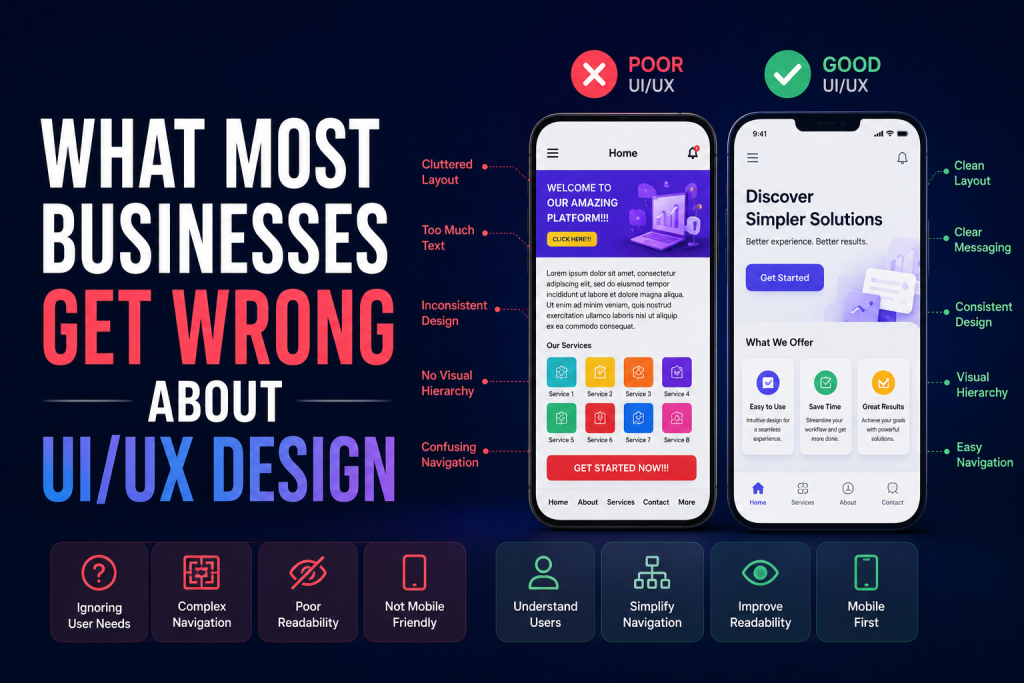
Clarity converts better than cleverness. When a visitor lands on your website, the design should instantly communicate who you are, what you do, and how to contact you.
Strong headlines, simple layouts, and focused messaging reduce cognitive load. The goal is not to impress with complexity but to reassure with simplicity. Junk removal web design that prioritizes clarity keeps visitors engaged long enough to take action.
Trust Signals That Reduce Hesitation
Trust is the invisible factor behind every lead. Homeowners and businesses are cautious about who they allow onto their property.
Design helps build trust through consistency. Professional color schemes, readable typography, and real imagery create confidence. Photos of your trucks, team members, and completed jobs ground the business in reality. Testimonials placed naturally within the page reinforce credibility at key moments. Junk removal web design that feels authentic converts better than designs that feel generic or overproduced.
Mobile Experience That Drives Calls
Most junk removal leads come from mobile users. People search on their phones while standing next to the mess they want gone.
Mobile focused junk removal web design ensures fast loading pages, clear navigation, and tap friendly buttons. Phone numbers should be visible and clickable without scrolling endlessly. Forms should be short and easy to complete on small screens. When the mobile experience feels smooth, visitors are far more likely to call or submit a request.
Page Structure That Guides Action
A well structured page quietly leads visitors toward conversion. The design should follow a natural flow from problem recognition to solution to action.
Headings break content into digestible sections. Visual spacing prevents overwhelm. Calls to action appear at moments when the visitor feels informed and ready. Junk removal web design that respects this flow turns reading into responding.
Service Pages Built for Conversions
Service pages are often the highest converting pages on a junk removal website. Each service page should focus on one core offering and explain it clearly.
Design supports conversion by highlighting benefits, explaining the process, and reinforcing local availability. When visitors understand exactly what happens next, they feel comfortable reaching out. Clear layouts, supportive imagery, and reassuring language all work together to convert interest into leads.
Local Focus That Strengthens SEO and Trust
Local relevance is essential for both search rankings and user confidence. Visitors want to know you operate in their area and understand local needs.
Junk removal web design should integrate location references naturally within headings and content. City names, service areas, and regional context reinforce legitimacy. This also helps search engines connect your website to local searches. A strong local presence makes your business feel accessible and dependable.
Speed and Performance as Conversion Factors
Website speed influences trust more than most people realize. A slow loading page creates friction and doubt. Optimized junk removal web design uses compressed images, efficient code, and reliable hosting. Fast websites keep visitors engaged and signal professionalism. Search engines also favor faster sites, creating a double benefit. Performance is not a technical detail. It is a conversion tool.
Calls to Action That Feel Helpful
Effective calls to action guide rather than pressure. The design should make it easy to understand what to do next. Buttons placed strategically throughout the page encourage action without overwhelming the visitor. Language that emphasizes help, speed, and convenience feels reassuring. Junk removal web design succeeds when calls to action feel like an invitation, not a demand.
Form Design That Increases Submissions
Forms are a critical conversion point. Poorly designed forms cause hesitation. A clean layout, minimal required fields, and clear instructions improve completion rates. Visitors should feel that submitting a form is quick and safe. Design plays a major role in removing fear and friction at this stage. When forms feel easy, leads increase.
Content That Educates Without Overwhelming
Educational content builds authority and answers common questions. The key is balance. Junk removal web design should present content in a readable, approachable way. Short paragraphs, clear headings, and logical flow keep visitors engaged. When people feel informed, they feel confident taking the next step. Overly dense or cluttered content pushes visitors away. Good design keeps learning comfortable.
Using Visuals to Support Decision Making
Visual elements guide attention and reinforce messaging. They should support content, not distract from it. Images of real jobs, trucks, and teams help visitors visualize the service. Subtle icons and layout cues guide the eye toward important information. Junk removal web design uses visuals with intention.
Every visual should earn its place
SEO Friendly Structure That Supports Lead Generation
Search engine optimization and lead generation work best together when design supports both. Clean site architecture, proper heading hierarchy, and internal linking help search engines understand your content. At the same time, these elements improve usability for visitors. Junk removal web design that respects SEO fundamentals attracts qualified traffic that is more likely to convert.
Blog Content as a Lead Nurturing Tool
A blog adds depth to your website and supports long term visibility. It also helps nurture visitors who are not ready to convert immediately. Articles about cleanouts, seasonal tips, or local regulations demonstrate expertise. Design ensures blog content is readable and connected to service pages. This keeps visitors within your site ecosystem longer. Authority builds over time, and design makes that authority accessible.
Tracking Behavior and Improving Conversions
A high quality website is never static. It evolves based on real user behavior. Design should support analytics tools that track calls, form submissions, and page engagement. These insights reveal where visitors hesitate and where they convert. Small design adjustments based on data often produce significant increases in leads.
Why Junk Removal Web Design Is a Revenue Tool
A junk removal website is not just a digital brochure. It is a revenue generating asset.
When designed strategically, it works constantly to attract, educate, and convert visitors. It supports your marketing efforts and amplifies the value of every click.
Junk removal web design that focuses on lead generation creates predictable growth instead of relying on chance.
Conclusion
Turning visitors into leads is not about tricks or aggressive tactics. It is about understanding people and removing obstacles.
Strategic junk removal web design combines clarity, trust, performance, and local relevance. When these elements work together, your website becomes a reliable source of high quality leads. In competitive local markets, the businesses that win are the ones whose websites make saying yes feel easy.