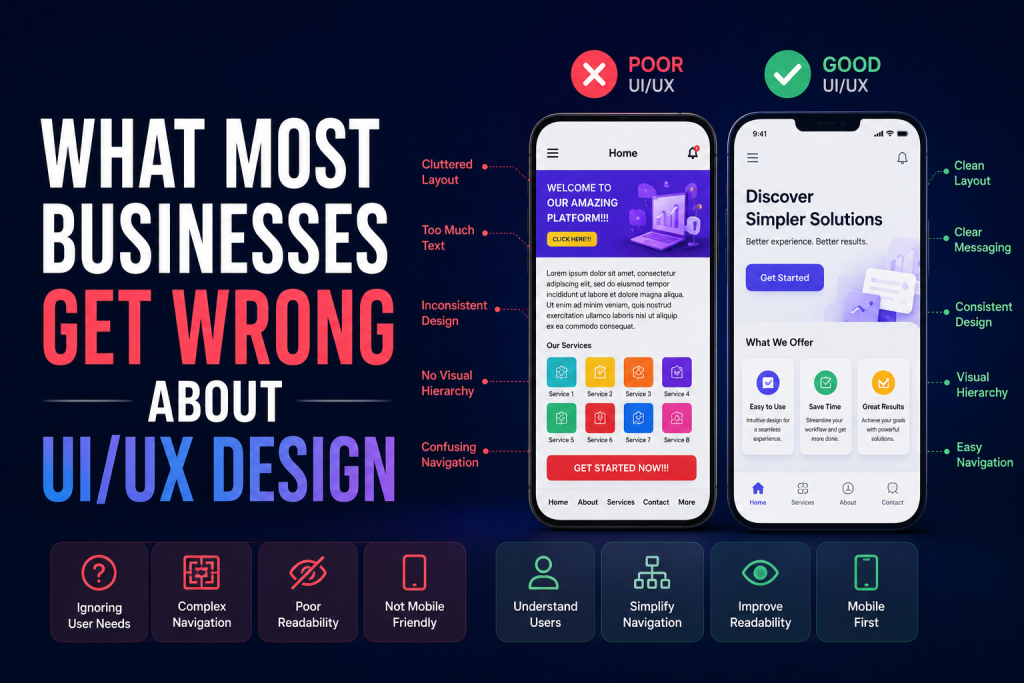
Your web design portfolio is more than a gallery—it’s your personal brand. It tells potential clients and employers who you are, what you can do, and why they should hire you. A well-crafted portfolio not only showcases your skills but also proves your understanding of user experience, design principles, and real-world problem-solving.
Here’s how you can create a standout web designer portfolio that gets attention and lands you your next big opportunity.
1. Tell Your Design Story
Your portfolio should feel like a journey, not just a list of projects. Introduce yourself with a short, impactful bio that includes your role, your design philosophy, and the industries you’ve worked in.
Example: “I’m a UI/UX designer passionate about creating functional, user-centered websites that solve real problems.”
A personal story helps employers connect with your creative process and understand your motivation behind each design.
2. Show Problem-Solving, Not Just Pretty Designs
Clients and recruiters want to see how you think, not just how well you can design. For each project, include:
- The problem or challenge you were solving
- Your design process (research, wireframing, prototyping, testing)
- The final outcome and its impact
This approach highlights your strategic thinking—one of the most valuable skills in web design.
3. Highlight UI/UX Projects That Show Range
Your portfolio should reflect versatility. Include projects such as:
- Landing pages focused on conversions
- E-commerce websites with intuitive user flows
- Dashboard designs showing data visualization skills
- Mobile-responsive layouts that demonstrate adaptability
A mix of these shows that you can design across platforms and business needs.
4. Use Case Studies for Depth
Instead of showing dozens of screenshots, choose 4–6 projects and create detailed case studies. Explain your role, the tools used (like Figma, Adobe XD, or Webflow), and the results achieved.
Employers love designers who can explain the “why” behind their designs—it shows mastery and clarity.
5. Keep It Visually Consistent
Your portfolio itself is a reflection of your design skills. Use consistent colors, typography, and spacing throughout. A minimal, clean design helps recruiters focus on your work, not the interface.
Tip: Use grids, white space, and balanced layouts—it shows your attention to detail.
6. Include Testimonials or Client Feedback
Social proof builds trust. If you’ve worked with clients, add a section for testimonials. Even one or two positive reviews can make a huge difference.
Example:
“Working with [Your Name] was a breeze. The website design improved our conversions by 35%!”
7. Optimize for Mobile and SEO
Most hiring managers will first view your portfolio on their phone. Make sure it’s fully mobile-friendly and loads fast.
For SEO, use clear project titles and alt tags like “Responsive E-commerce Website Design” or “Dashboard UI Design in Figma.”
This ensures your portfolio gets discovered by search engines and potential clients.
8. Add a Blog or Design Insights Section
Want to prove your thought leadership? Write short posts about your design process, UX trends, or tools you love.
This shows that you stay updated with industry trends—and it helps boost your SEO ranking.
9. Create an Eye-Catching Hero Section
Your homepage should instantly capture attention. Use a bold headline that sums up what you do, like:
“Crafting Modern, User-Friendly Websites That Convert.”
Pair it with your best project image and a clear call-to-action (CTA) like “View My Work.”
10. Keep Updating and Evolving
Your portfolio should grow as you do. Regularly update it with new projects, improved visuals, and fresh case studies. A current portfolio signals professionalism and passion for your craft.
Conclusion
A successful web designer portfolio isn’t about showing everything—it’s about showing the right things in a way that connects with employers and clients.
Be authentic, strategic, and design your portfolio as carefully as you would design for a client.
And if you’re looking for inspiration or a partner to help you design your digital identity, Devoq Design—a leading UI/UX Design Agency—can help you create a stunning, high-converting portfolio website that truly represents your talent.