We talk a lot about theory—SEO, PPC, algorithms—but sometimes the best way to understand the value of a partner is to look at a real-world scenario. Let me tell you a story about a Dubai-based business (let’s call them “Client X” to keep things confidential) that was facing a problem I see every single day in this city.
Client X was a premium interior design firm based in Business Bay. They had an incredible portfolio, a stunning office, and a team of talented designers. On the surface, everything looked perfect. They were posting on Instagram daily, they had a flashy website, and they were boosting posts occasionally. But there was silence on the sales floor. They were getting plenty of “likes” and “fire emojis” on their posts, but their phone wasn’t ringing. Their inquiry forms were gathering dust.
They were falling into the classic Dubai trap: confusing activity with productivity. They thought that just “being online” was enough. It wasn’t until they partnered with a specialized digital marketing agency in Dubai that they realized their entire strategy was built on vanity, not value. Within six months of making the switch, their qualified leads didn’t just grow—they doubled. Here is exactly how they did it.
The Diagnosis: The Leaky Bucket
When the agency first stepped in, they didn’t start by spending money. They started by auditing the data. What they found was a “leaky bucket.” Client X was driving decent traffic to their website via social media, but 85% of those visitors were leaving within 10 seconds.
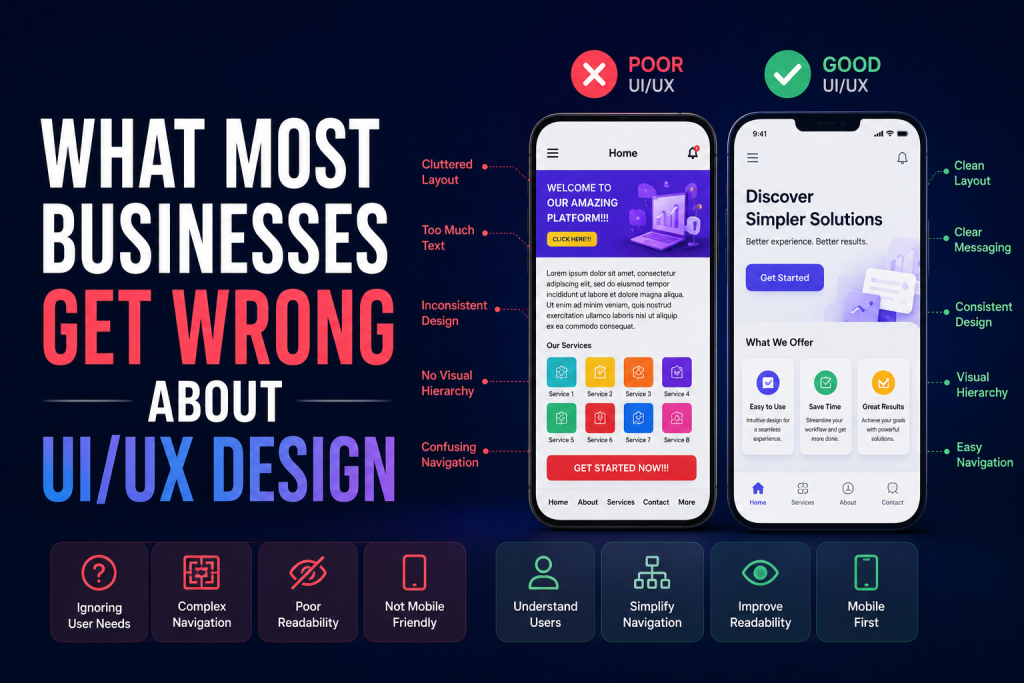
Why? Because the website was designed for aesthetics, not conversion. It took five seconds to load (an eternity on a mobile phone), and the “Contact Us” button was buried at the bottom of the page. The agency realized that Client X didn’t have a traffic problem; they had a conversion problem. No amount of ad spend would fix a broken website. This was the first pivot: pausing the ads and fixing the foundation. They streamlined the mobile experience and added clear calls-to-action (CTAs) that followed the user as they scrolled.
The Pivot: Intent vs. Interest
The second major shift was in where they spent their money. previously, Client X was spending 90% of their budget on Instagram ads targeting people interested in “luxury lifestyle.” The problem? Everyone in Dubai is interested in a luxury lifestyle, but not everyone wants to renovate their villa right now.
The agency shifted the strategy to focus on digital marketing solutions that prioritized intent. They moved a significant chunk of the budget to Google Search Ads. They targeted specific keywords like “villa renovation contractor Dubai” or “office fit-out companies JLT.” These weren’t people casually scrolling; these were people with a credit card in hand, looking for a solution today.
The result was immediate. The volume of traffic actually went down slightly, but the quality skyrocketed. Instead of 1,000 visitors who didn’t care, they got 200 visitors who were desperate for a designer.
The Content Strategy: Answering, Not Just Showing
Finally, they revamped the content. Before, the Instagram feed was just pretty pictures of finished living rooms. It was a portfolio. The agency suggested a change: stop showing the “what” and start showing the “how.”
They started filming short-form videos answering common questions: “How much does a kitchen renovation cost in Dubai?” “Do you need a permit to change flooring in an apartment?” “How long does a fit-out take?”
By answering these questions, Client X positioned themselves as experts, not just decorators. This built trust before the sales call even happened. When leads finally did call, they were already educated and sold on the brand’s expertise. The sales cycle shortened because the content had done the heavy lifting.
The Outcome
Six months later, the numbers spoke for themselves. The cost per lead (CPL) dropped by 40%, and the total volume of qualified leads rose by 110%. They stopped chasing likes and started chasing revenue.
The lesson here for any Dubai business owner is simple: You don’t need more traffic; you need a better strategy. Partnering with an agency that looks at the full picture—from the technical health of your site to the psychology of your customer—is the difference between surviving and thriving.