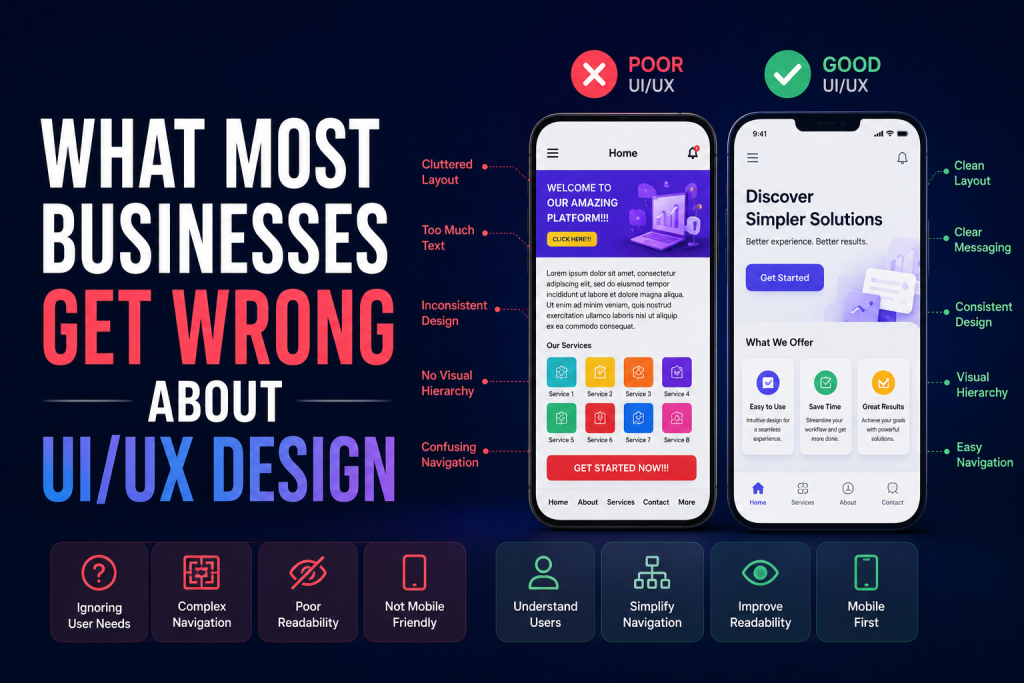
In today’s world, we spend a lot of time online—whether we are shopping, learning, or chatting with friends. But have you ever wondered how websites are made? The answer lies in something called Web Development. It’s the process that brings websites to life and makes them work smoothly. In this blog, we’ll explore what web development is, how it works, and why it matters—using simple language that anyone can understand.
What is Web Development?
Web Development is the process of creating websites and web applications. It involves everything from designing how a website looks to making sure it works properly when someone clicks a button or fills out a form.
When you visit a website, you see a mix of text, pictures, buttons, and menus. These parts are designed and built using different tools and programming languages. The people who build these sites are called web developers.
Web development has two main parts:
-
Front-End Development – This is what users see on the screen. It includes the layout, colors, fonts, and interactive features like buttons or forms.
-
Back-End Development – This is what works behind the scenes. It handles things like storing data, user logins, and making sure everything runs smoothly.
Some developers specialize in one part, while others do both. When they do both, they’re called full-stack developers.
Why is Web Development Important?
Imagine trying to play a game, read the news, or watch videos online without websites. It wouldn’t be possible! Web development is the reason we can do all these things. Every website—whether it’s a school portal, a shopping site, or a social media platform—needs a developer to build and maintain it.
Web development helps:
-
Businesses reach more customers online
-
Students learn through online classes
-
People connect through social media
-
Governments share important information
Without it, the internet wouldn’t be the powerful tool it is today.
What is Custom Website Development?
Sometimes, people or businesses need websites that do more than just show information. They may need special features, like online stores, booking systems, or member-only sections. That’s where custom website development comes in.
Instead of using a simple website template, developers build a site from scratch, based on what the business needs. This allows more control over design, features, and how the website performs.
For example, a local bakery might want a website where people can browse cakes, place orders, and pay online. A custom site helps make that happen in a way that fits the bakery’s brand and needs.
Custom websites are more flexible and usually perform better because they’re built for a specific purpose.
The Role of Web Programming Services
Behind every working website are lines of code written in programming languages like HTML, CSS, JavaScript, Python, and more. This is where web programming services come into play.
These services help turn ideas into real, working websites. They include writing the code, testing how the website functions, and fixing problems when they come up.
Let’s say you want to add a photo gallery to your website. A developer uses web programming to make it interactive—so people can click on a photo to enlarge it, or slide through several images.
Some common tasks handled by web programming services include:
-
Making sure the site loads quickly
-
Ensuring it works well on phones and tablets
-
Adding animations and effects
-
Securing user data
These services are essential to building modern, reliable websites that people enjoy using.
Website Building Solutions: Easy Options for Beginners
Not everyone knows how to code, and that’s okay! Thanks to website building solutions, even beginners can create websites without much technical knowledge.
Website builders like Wix, Squarespace, and WordPress offer ready-to-use templates and drag-and-drop tools. These tools let people build attractive sites quickly—often with just a few clicks.
While these solutions are great for simple websites, they have limits. If you need more control or special features, you might need help from a web developer. That’s when switching to custom website development or using web programming services becomes necessary.
Still, website builders are a great place to start, especially for personal blogs, portfolios, or small business sites.
The Steps in Web Development
Building a website involves several steps. Here’s a simple breakdown:
-
Planning – First, the developer and client talk about the website’s goals. What should it do? Who will use it?
-
Designing – Next, the look and layout of the site are created. This includes choosing colors, fonts, and where things go on the page.
-
Developing – Now, the actual coding begins. This is where the site is built using web development tools and languages.
-
Testing – Before launch, the website is tested on different devices and browsers to make sure everything works.
-
Launching – Once everything looks good, the website is published online for people to use.
-
Maintaining – After launch, the site may need updates, bug fixes, or new features. Developers help with this too.
Skills Needed for Web Developers
If you’re interested in becoming a web developer, here are some skills that are helpful:
-
Basic coding knowledge (HTML, CSS, JavaScript)
-
Problem-solving and logical thinking
-
Creativity and design sense
-
Understanding how users interact with websites
-
Willingness to keep learning, since technology changes quickly
You don’t have to learn everything at once. Many developers start small and grow their skills over time.
The Future of Web Development
Web development continues to evolve. Today, we have things like voice search, chatbots, and artificial intelligence built into websites. As technology grows, websites will become even more advanced, personalized, and easier to use.
In the future, we may see websites that can change based on your mood or help you make decisions by understanding your preferences. This makes web development an exciting field with lots of opportunities.
Conclusion
Web Development plays a huge role in the way we use the internet. From personal blogs to online stores and learning platforms, it’s behind almost everything we see online. Whether you’re using custom website development, relying on web programming services, or starting with website building solutions, every website begins with someone turning an idea into something real.